How agencies track crypto transactions
While cryptocurrency wallets offer pseudonymity, they do not provide anonymity. Every transaction is recorded on a public, immutable ledger, creating a permanent history that government agencies can trace and analyze. Blockchain analysis firms like Chainalysis provide the infrastructure for law enforcement to map these transactions, turning opaque digital activity into searchable data.
The tracking process relies on clustering algorithms and heuristic analysis. When a user sends funds to a centralized exchange like Coinbase, that address becomes linked to their real-world identity through Know Your Customer (KYC) regulations. Agencies then trace the flow of funds from that known entry point back to the originating wallets, effectively bridging the gap between digital addresses and physical identities.
This capability extends beyond simple currency transfers. As reported by Klasing Associates, ICE has utilized data provided by platforms to track transactions across major digital currencies including Bitcoin, Ether, and Tether. This ability to follow the money across different chains and assets allows regulators to enforce sanctions and investigate illicit finance with a level of precision previously impossible in the digital space.
Key platforms powering compliance
Government agencies and law enforcement do not track blockchain transactions manually. Instead, they rely on specialized blockchain data platforms that ingest on-chain activity, apply heuristic clustering, and tag addresses with real-world identities. These vendors serve as the primary infrastructure for crypto analysis, enabling regulators to move from anonymous wallet addresses to known entities such as exchanges, mixers, or sanctioned entities.
The market for these tools is dominated by a small number of firms that have established deep partnerships with federal agencies. Chainalysis and TRM Labs are the most prominent examples. Chainalysis provides a comprehensive data platform that helps government agencies, crypto businesses, and financial institutions engage with digital assets. Their tools are widely used by the IRS and FBI to trace illicit flows, such as those associated with ransomware attacks or darknet markets. TRM Labs offers similar capabilities, focusing heavily on real-time transaction monitoring and risk assessment for financial institutions and regulators.
These platforms do not just provide raw data; they provide context. By linking blockchain addresses to known entities, they allow investigators to see the full picture of a transaction, including the source of funds and the final destination. This capability is critical for enforcing sanctions, combating money laundering, and tracking stolen assets. Without these tools, the sheer volume of blockchain data would be overwhelming and largely unintelligible.
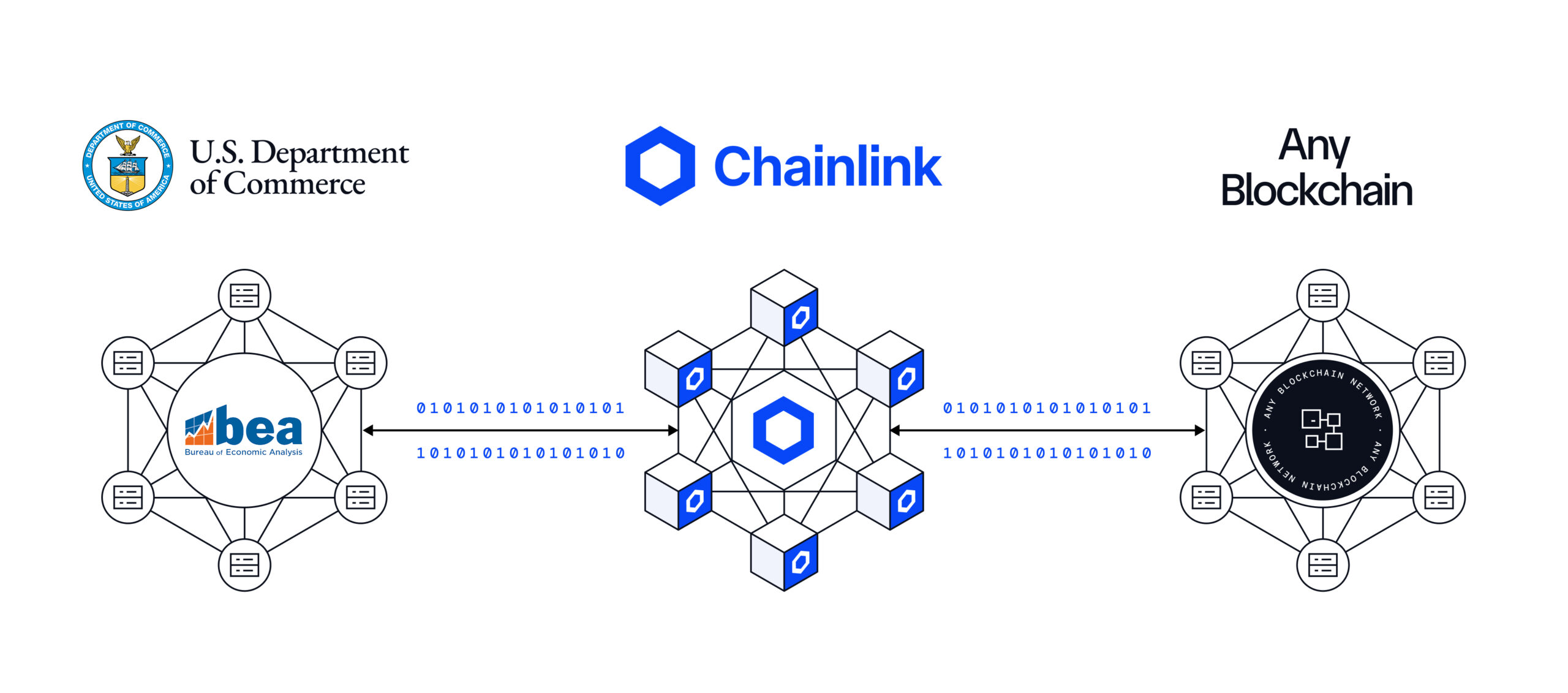
The adoption of these platforms has become standard practice for many government agencies. For example, ICE has utilized data from platforms like Chainalysis to track transactions across popular digital currencies. This reliance on private sector technology highlights the public-private partnership that defines modern crypto compliance. As the regulatory landscape evolves, these platforms will likely become even more integrated into the legal and financial systems, serving as the bridge between the decentralized nature of blockchain and the structured requirements of government oversight.
| Vendor | Primary Use Case | Key Feature |
|---|---|---|
| Chainalysis | Government & Enterprise Compliance | Comprehensive blockchain data platform with AI-driven insights |
| TRM Labs | Real-Time Monitoring & Risk | Real-time transaction monitoring and risk assessment |
| Elliptic | Financial Institution Compliance | Advanced analytics for detecting complex money laundering patterns |
Regulatory shifts shaping market data
Recent legislative actions and executive orders have fundamentally altered the landscape of cryptocurrency oversight, directly increasing the demand for precise on-chain tracking. Agencies are no longer relying solely on traditional financial reporting; they are integrating blockchain analysis into their core investigative and compliance workflows. This shift has turned raw transaction data into a primary asset for regulatory enforcement.
The integration of tools like Chainalysis represents a structural change in how government agencies monitor digital assets. These platforms combine blockchain data with artificial intelligence to help financial institutions and law enforcement engage with crypto confidently. For instance, reports indicate that platforms like Coinbase now provide geo-tracking data to agencies such as ICE, enabling the tracking of transactions across Bitcoin, Ether, and Tether. This level of granularity transforms the blockchain from a public ledger into a surveillance-friendly database when paired with centralized exchange data.
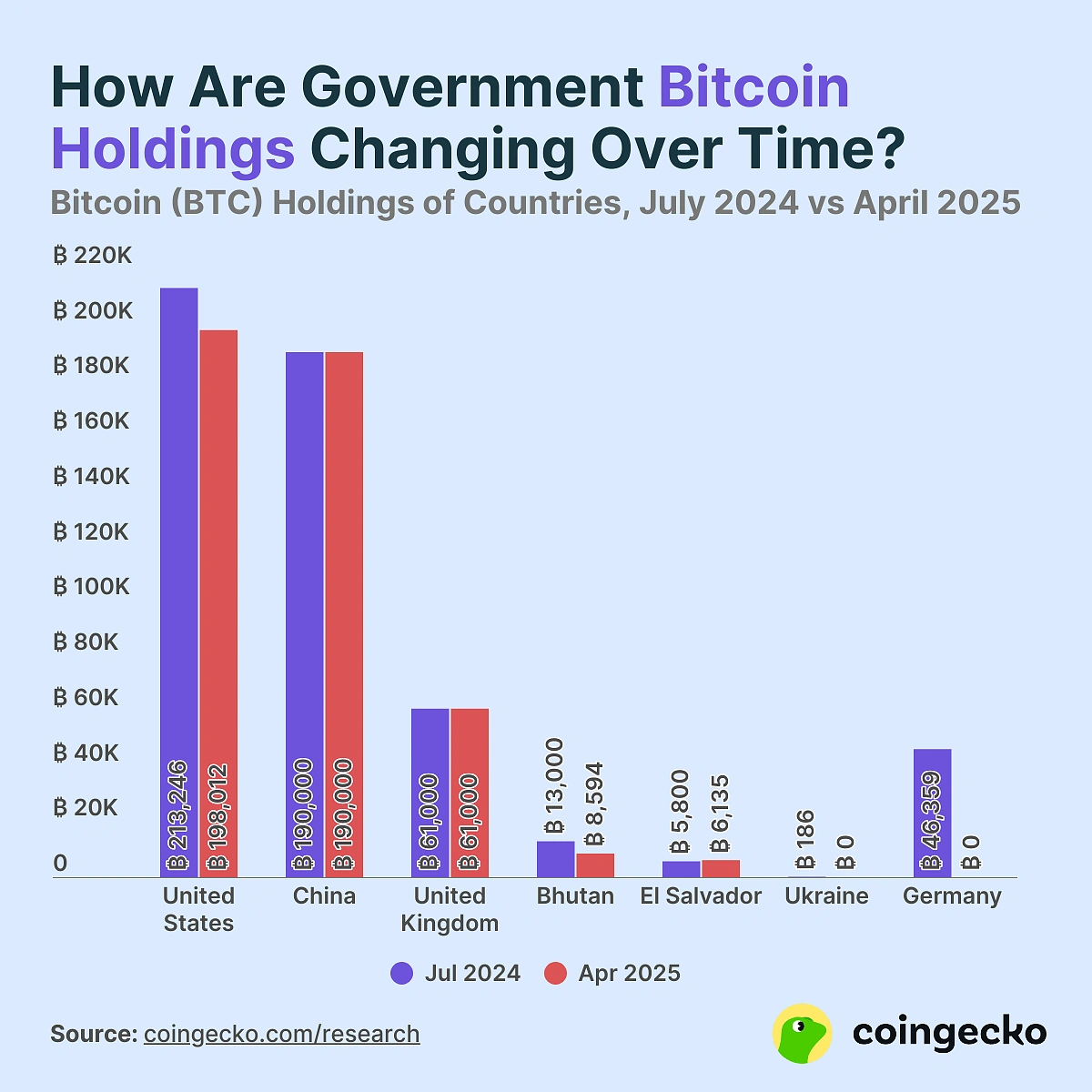
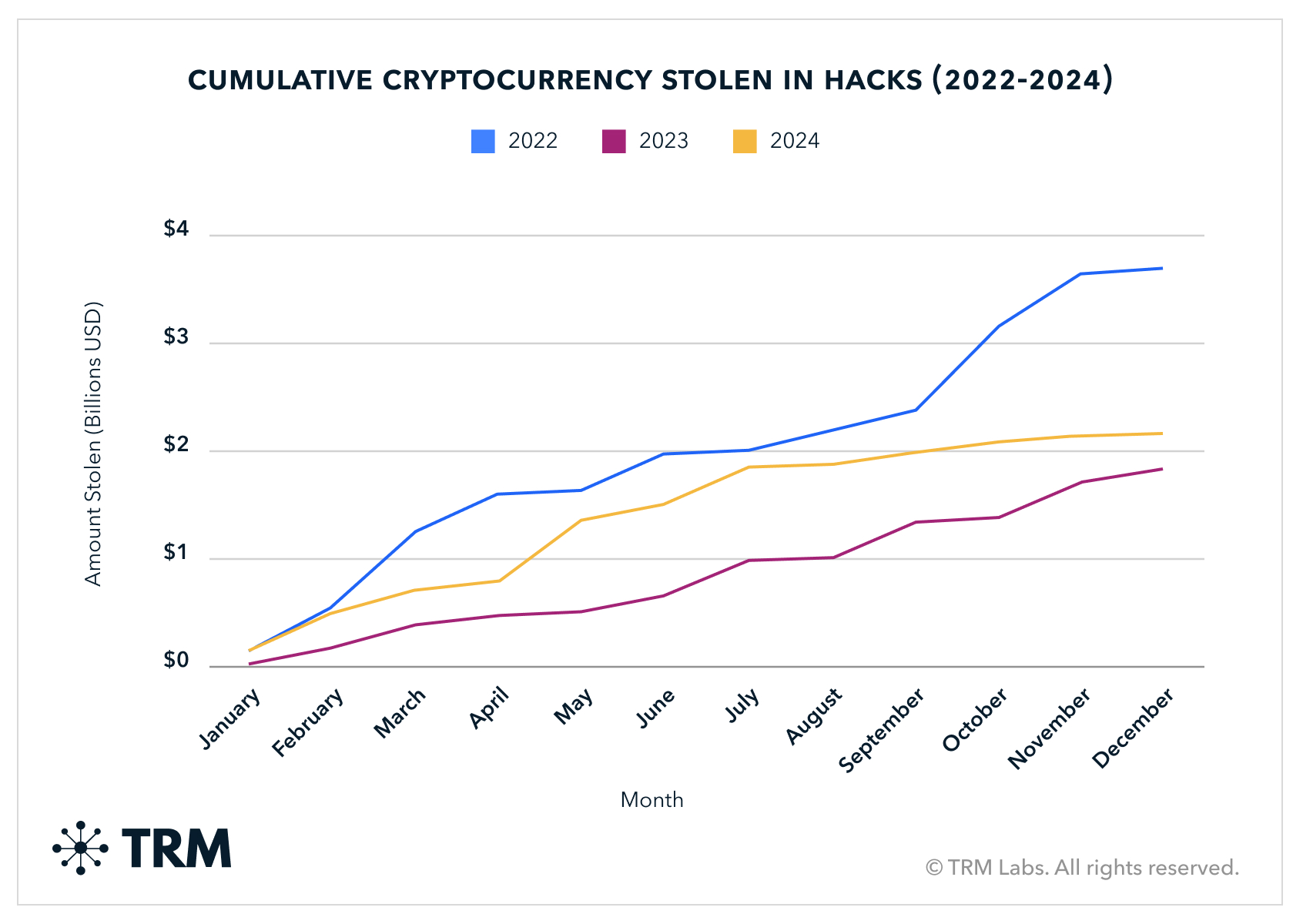
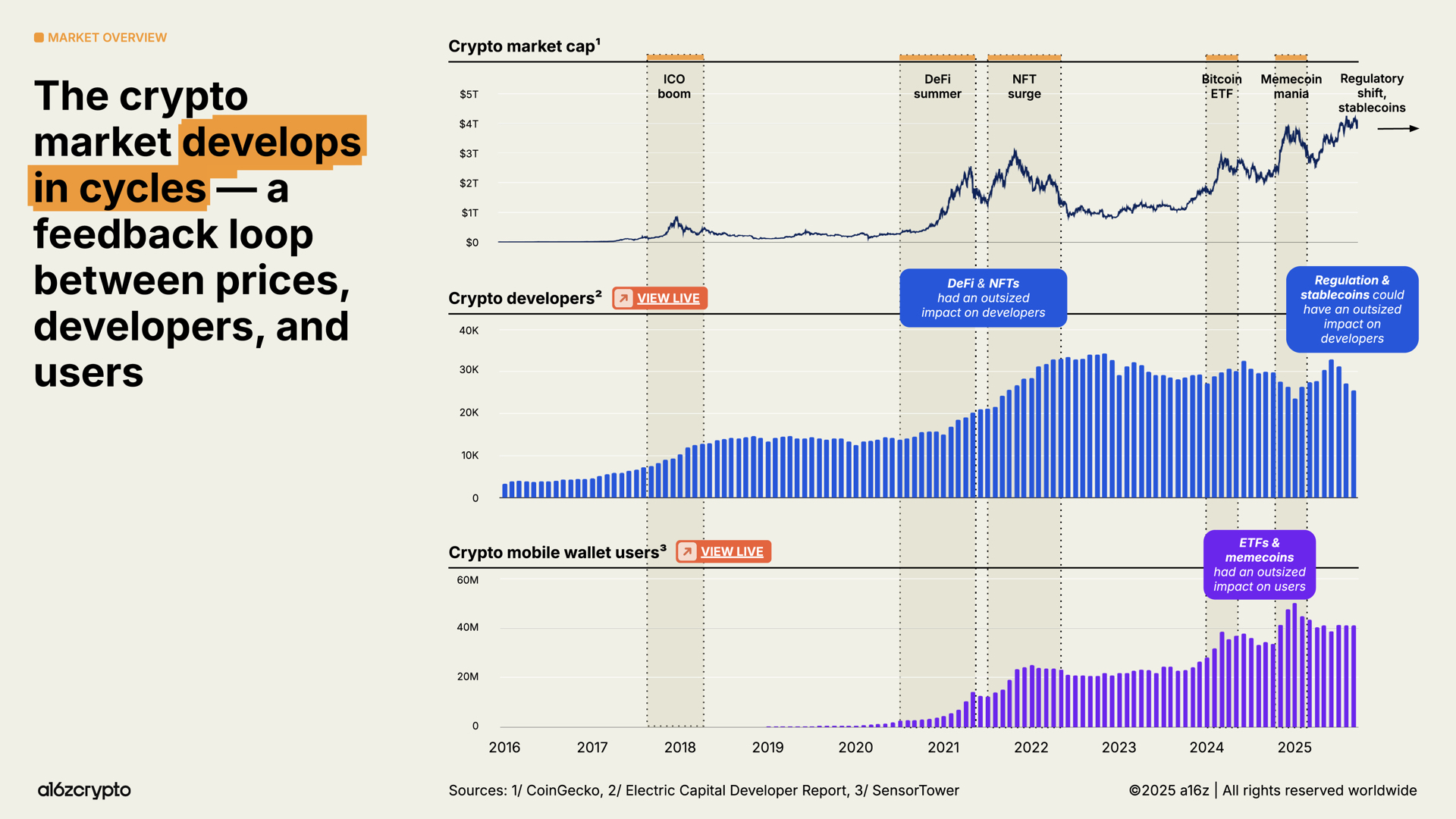
This regulatory pressure is reflected in market volatility. When policy announcements emerge, the market reacts swiftly to the perceived risk of enforcement or new compliance burdens. The correlation between government interventions and market performance is measurable, with policy shifts often triggering immediate price adjustments.
The demand for accurate tracking data is not just about compliance; it is about market stability. As more jurisdictions adopt similar frameworks, the distinction between traditional finance and crypto finance blurs. Investors and institutions must now account for regulatory risk as a tangible variable in their strategy, using real-time data to anticipate how legislative changes will impact asset liquidity and value.
Exchange data sharing and geolocation
Use this section to make the Gov Tracking Crypto Analysis decision easier to compare in real life, not just on paper. Start with the reader's actual constraint, then separate must-have requirements from details that are merely nice to have. A practical choice should survive normal use, maintenance, timing, and budget. If a recommendation only works in an ideal situation, call that out plainly and give the reader a fallback path.
The simplest way to use this section is to write down the must-have criteria first, then compare each option against those criteria before weighing nice-to-have features.
Building a compliant market strategy
Developing a compliant market strategy requires treating blockchain data as a public record rather than a private ledger. Businesses and investors must integrate transparency into their operational workflows to plan around the current regulatory landscape effectively. Proactive compliance reduces legal exposure and builds trust with financial institutions that monitor transaction sources.
Use blockchain analysis platforms like Chainalysis to trace the origin of digital assets. Identifying whether funds come from regulated exchanges or high-risk mixers allows firms to flag suspicious activity before it impacts operations. This initial audit creates a baseline for ongoing monitoring.
Deploy automated tools that scan incoming transactions against sanctions lists and darknet market databases. Real-time alerts enable compliance officers to freeze or report suspicious activity immediately, aligning with FinCEN guidelines for anti-money laundering. Continuous monitoring prevents accidental engagement with illicit entities.
Archive all transaction hashes, timestamps, and counterparty information for at least five years. Comprehensive records demonstrate due diligence during regulatory audits and help resolve disputes with banking partners. Structured data storage simplifies the reporting process when authorities request specific transaction histories.
The intersection of market volatility and regulatory scrutiny demands rigorous internal controls. By adopting these tracking methods, organizations can operate confidently within the bounds of current laws while maintaining the efficiency required for digital asset management.
Helpful gear
Use these product recommendations as a starting point, then choose the size, material, and price point that fit how you actually use the gear.


As an Amazon Associate, we may earn from qualifying purchases.
No comments yet. Be the first to share your thoughts!