The government tracking crypto market limits to account for
Understanding how the government tracks crypto requires separating the technology from the enforcement. While blockchain ledgers are public, the ability to identify who owns a wallet address depends on the intersection of regulatory pressure and exchange compliance. After the CLARITY Act framework took shape, the focus shifted from vague warnings to specific infrastructure mandates. Agencies now rely on standardized reporting to connect on-chain activity to real-world identities.
The primary constraint for privacy-focused users is not the blockchain itself, but the centralized gateways. The Securities and Exchange Commission’s Crypto Task Force has prioritized clarity on federal securities laws, pushing exchanges to implement strict Know Your Customer (KYC) protocols. This means that while transactions on a decentralized network are visible to everyone, the identity behind the transaction is often known to the regulated entity facilitating the entry or exit to fiat currency.
For market research, this creates a clear dichotomy. On one side, there is the transparent ledger where every transfer is recorded. On the other, there is the regulated entity that holds the identity data. The government tracks crypto not by scanning every node, but by auditing the nodes that touch the traditional banking system. This infrastructure landscape makes true anonymity difficult to maintain for large or frequent transactions, as the trail of custody often leads back to a verified account holder.
Gov tracking crypto market choices that change the plan
Use this section to make the Gov Tracking Crypto Analysis decision easier to compare in real life, not just on paper. Start with the reader's actual constraint, then separate must-have requirements from details that are merely nice to have. A practical choice should survive normal use, maintenance, timing, and budget. If a recommendation only works in an ideal situation, call that out plainly and give the reader a fallback path.
| Factor | What to check | Why it matters |
|---|---|---|
| Fit | Match the option to the primary use case. | A good deal still fails if it does not fit the job. |
| Condition | Verify age, wear, and service history. | Hidden condition issues erase upfront savings. |
| Cost | Compare purchase price with likely upkeep. | The cheapest option is not always the lowest-cost option. |
How to plan around the Post-CLARITY Act Infrastructure Landscape
The CLARITY Act establishes a dual-track regulatory environment. The Securities and Exchange Commission (SEC) retains oversight of assets classified as securities, while the Commodity Futures Trading Commission (CFTC) manages those treated as commodities. This division creates a complex but navigable path for compliance. Understanding which agency governs your specific asset is the first step in mitigating risk.
To operate effectively within this new framework, follow this decision framework. It moves from asset classification to operational compliance, ensuring you address the specific requirements of the post-CLARITY era.
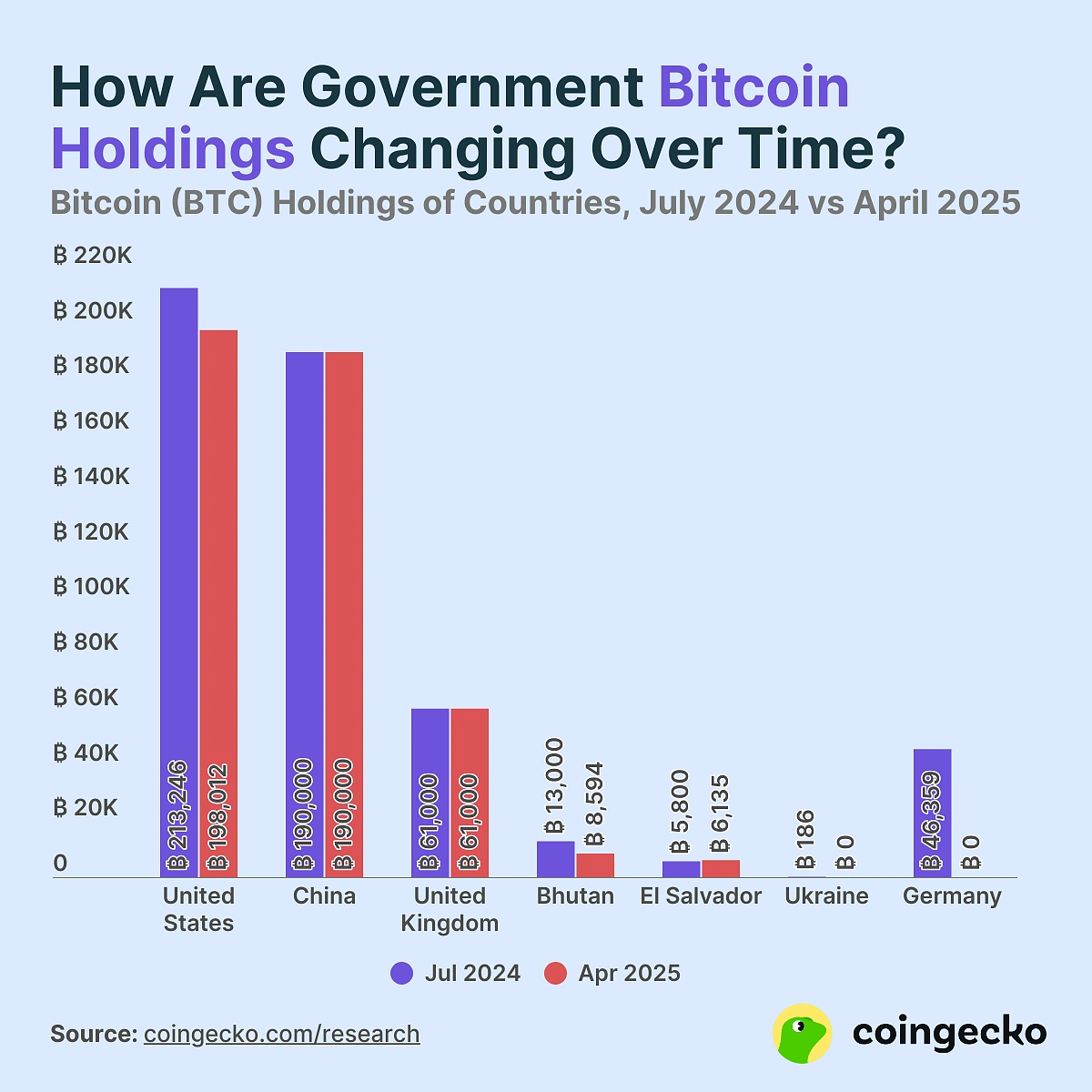
Determine whether your asset falls under SEC or CFTC jurisdiction. The SEC Crypto Task Force [1] emphasizes that the Howey Test remains the primary standard for identifying securities. If your asset is a security, you must comply with stricter disclosure and reporting rules. If it is a commodity, CFTC regulations regarding market manipulation and trading practices apply. Misclassification is the most common compliance failure in this landscape.
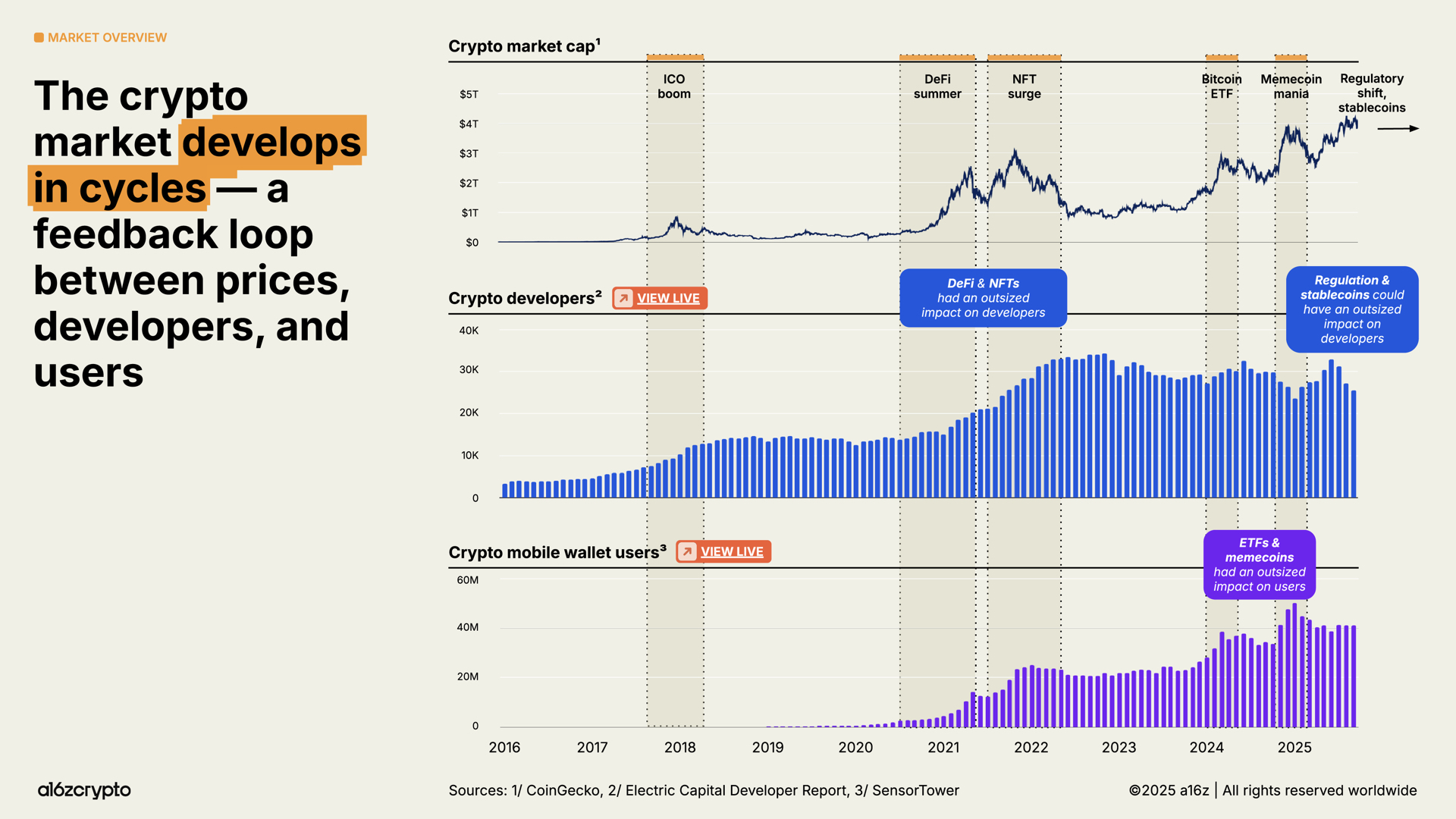
Post-CLARITY infrastructure demands visible transaction trails. Unlike the opaque early crypto years, current tools allow agencies to trace funds across public blockchains. You must ensure your transaction history is clean and auditable. Use blockchain analytics services to screen counterparty addresses before executing trades. This proactive screening prevents accidental interactions with sanctioned entities or illicit funds.

Not all platforms comply with the new federal standards. Before depositing funds, verify that your exchange holds the necessary licenses from both the SEC and CFTC, depending on the assets you intend to trade. Unregulated platforms may not offer the same legal protections or dispute resolution mechanisms. Prioritize platforms that explicitly state their regulatory compliance status in their terms of service.
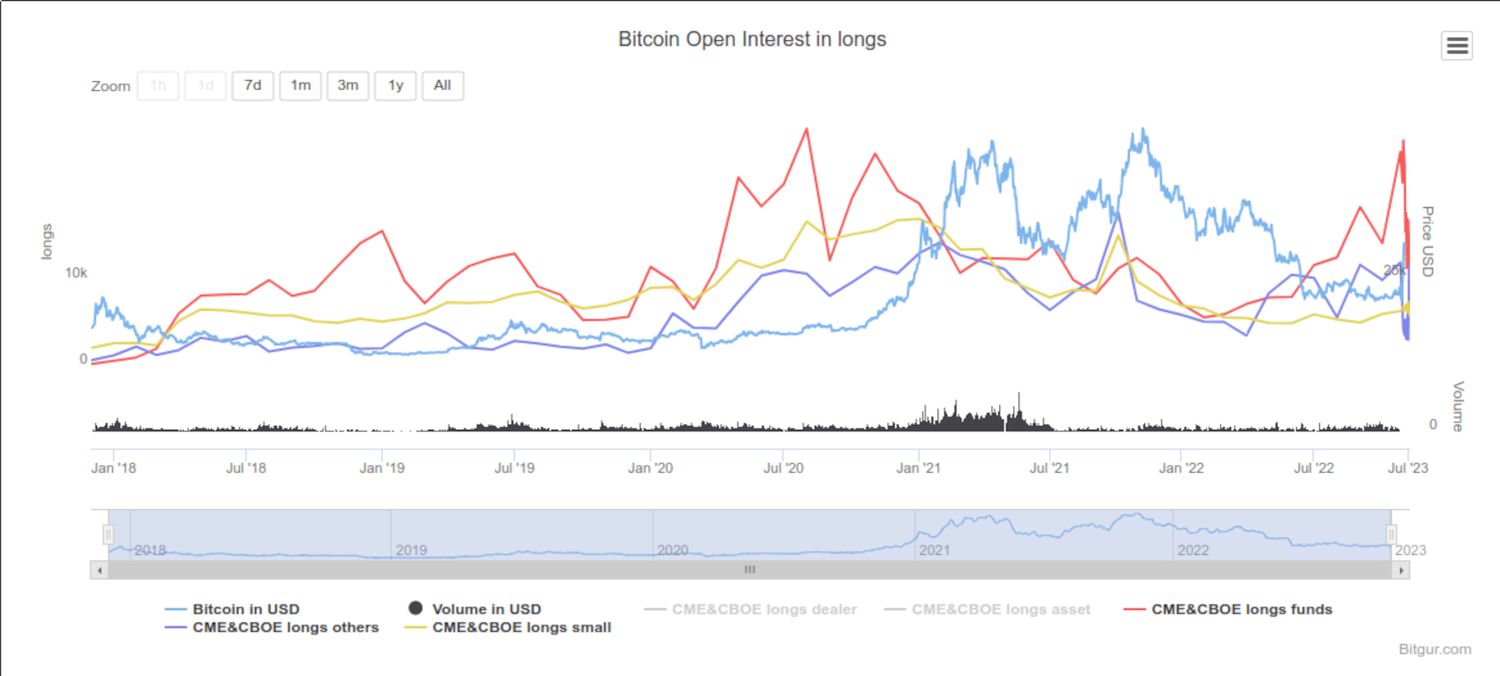
The IRS and other agencies increasingly rely on third-party data sharing. You must maintain accurate records of all acquisitions, dispositions, and staking rewards. This includes the date, time, fair market value, and purpose of each transaction. Automated tracking software can help aggregate this data from multiple wallets and exchanges, reducing the risk of reporting errors during audits.
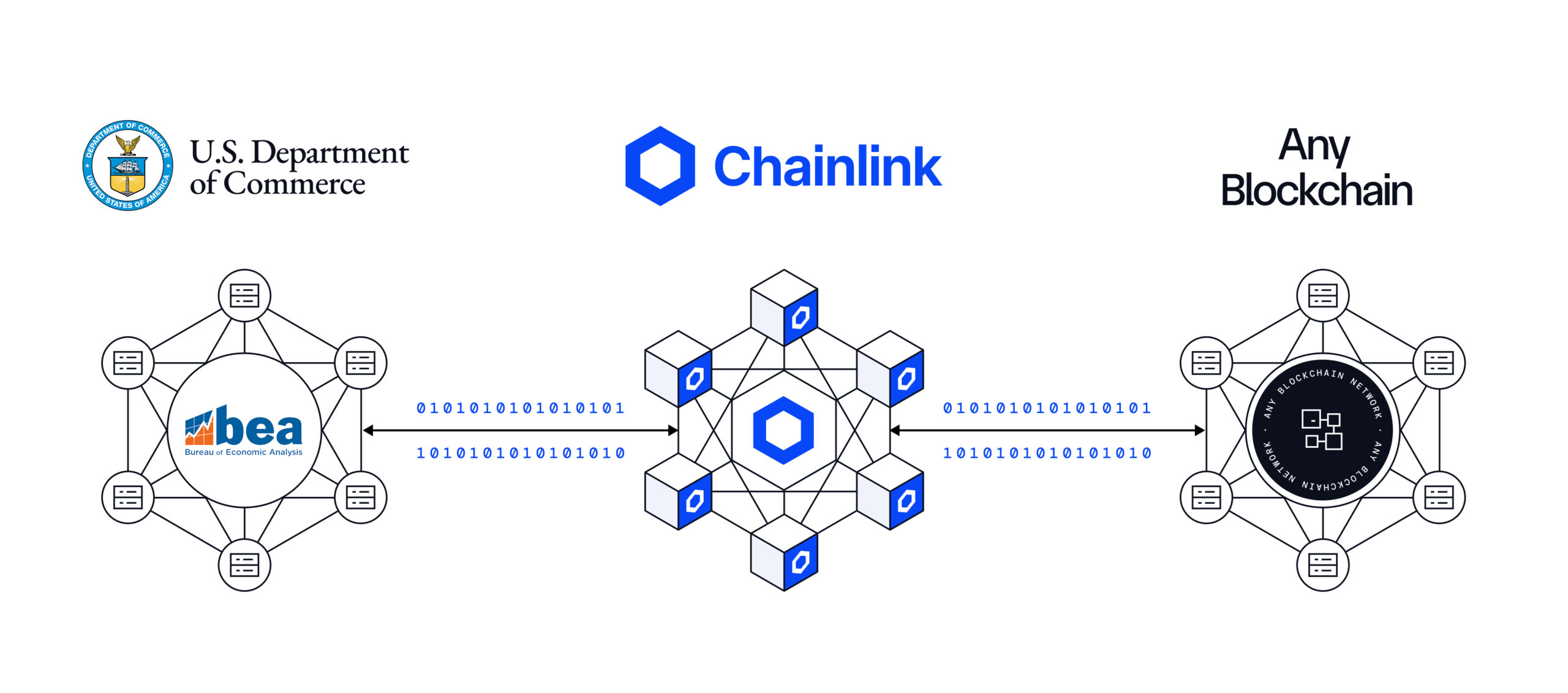
Regulatory interpretations evolve rapidly. The SEC and CFTC frequently issue new guidance or enforcement actions that clarify their stance on specific assets or practices. Subscribe to official announcements from these agencies and reputable legal analysis firms. Staying informed allows you to adjust your strategy before new rules become enforceable, avoiding costly penalties for non-compliance.
Spotting Weak Options in a Regulated Market
The post-CLARITY Act landscape is shifting from experimental adoption to strict compliance. Many platforms still market "privacy" features that are either technically limited or legally non-compliant. These weak options often promise anonymity but fail to meet the reporting standards required by the IRS and FinCEN. Investors should treat these claims with skepticism, as they frequently mask poor security or regulatory risk rather than offering genuine privacy.
One common mistake is assuming that all decentralized exchanges (DEXs) are untraceable. While DEXs operate without central intermediaries, the underlying blockchain is public and immutable. Every transaction is recorded on a permanent ledger. If a wallet address is linked to a real-world identity through a KYC-compliant on-ramp, that entire transaction history becomes traceable by authorities. The SEC and IRS are increasingly using blockchain analytics firms to map these connections, making "off-the-grid" crypto a dangerous illusion for most users.
Another misleading claim involves the idea that certain cryptocurrencies are immune to government tracking. No major cryptocurrency offers true anonymity by default. While coins like Monero or Zcash use advanced cryptographic techniques to obfuscate transaction details, they are not invisible. Regulators are developing tools to analyze metadata, timing, and network patterns. Also, using these coins often requires converting through regulated exchanges, creating a traceable entry and exit point. Relying on these assets for privacy can expose users to heightened scrutiny and potential legal complications under anti-money laundering laws.
The most practical approach is to understand that compliance is the new standard. The SEC’s Crypto Task Force is actively working to clarify how federal securities laws apply to digital assets. This means that transparency and reporting are not optional; they are mandatory. Instead of seeking out weak, untraceable options, investors should focus on regulated platforms that offer clear reporting and robust security. This shift protects users from fraud and ensures that their assets are recognized under the law.
Frequently asked: what to check next
Gov tracking crypto market research: what to check next
The CLARITY Act has shifted the regulatory baseline, but it hasn't created a privacy shield. Understanding how government tracking actually works is essential for navigating the post-2026 infrastructure landscape without making costly compliance errors.
No comments yet. Be the first to share your thoughts!