Gov tracking crypto strategy limits to account for
Use this section to make the Gov Tracking Crypto Strategy decision easier to compare in real life, not just on paper. Start with the reader's actual constraint, then separate must-have requirements from details that are merely nice to have. A practical choice should survive normal use, maintenance, timing, and budget. If a recommendation only works in an ideal situation, call that out plainly and give the reader a fallback path.
The simplest way to use this section is to write down the must-have criteria first, then compare each option against those criteria before weighing nice-to-have features.
Government tracking crypto strategy choices that change the plan
Evaluating a government crypto tracking strategy requires weighing transparency against privacy and operational feasibility. The federal approach, as outlined in recent executive actions, emphasizes accurate tracking and cohesive oversight of digital asset holdings. This creates a landscape where market participants must navigate distinct tradeoffs between compliance burdens and regulatory clarity.
Privacy vs. Transparency
Blockchain analysis services can detect money laundering risks by tracing on-chain activity. While this enhances transparency for law enforcement, it reduces the pseudonymity that many users expect. The tradeoff involves accepting public ledger scrutiny in exchange for reduced illicit activity.
Compliance Costs
Regulatory clarity reduces uncertainty for institutions but increases operational costs. Firms must implement robust reporting mechanisms to satisfy agency jurisdiction. This shift steers innovation toward stability but may exclude smaller entities unable to afford compliance infrastructure.
Asset Selection
The government’s focus on specific assets, such as Bitcoin, creates distinct market dynamics. Tracking Bitcoin offers high liquidity and established forensic tools. However, this focus may overlook emerging assets or stablecoins that pose different regulatory challenges.
Enforcement Reach
Cross-border enforcement remains a significant hurdle. While the U.S. leads in regulatory frameworks, global coordination is essential for effective tracking. The tradeoff involves domestic rigor versus international cooperation, which can be slow and politically complex.
| Factor | Benefit | Risk | Mitigation |
|---|---|---|---|
| On-Chain Transparency | Improved AML detection | Reduced user privacy | Privacy-preserving analytics |
| Regulatory Clarity | Institutional adoption | High compliance costs | Tiered reporting standards |
| Asset Focus (Bitcoin) | Forensic maturity | Market concentration | Diversified tracking tools |
| Global Coordination | Consistent enforcement | Jurisdictional gaps | International data sharing |
Choose the next step: Turn the research into a practical decision framework
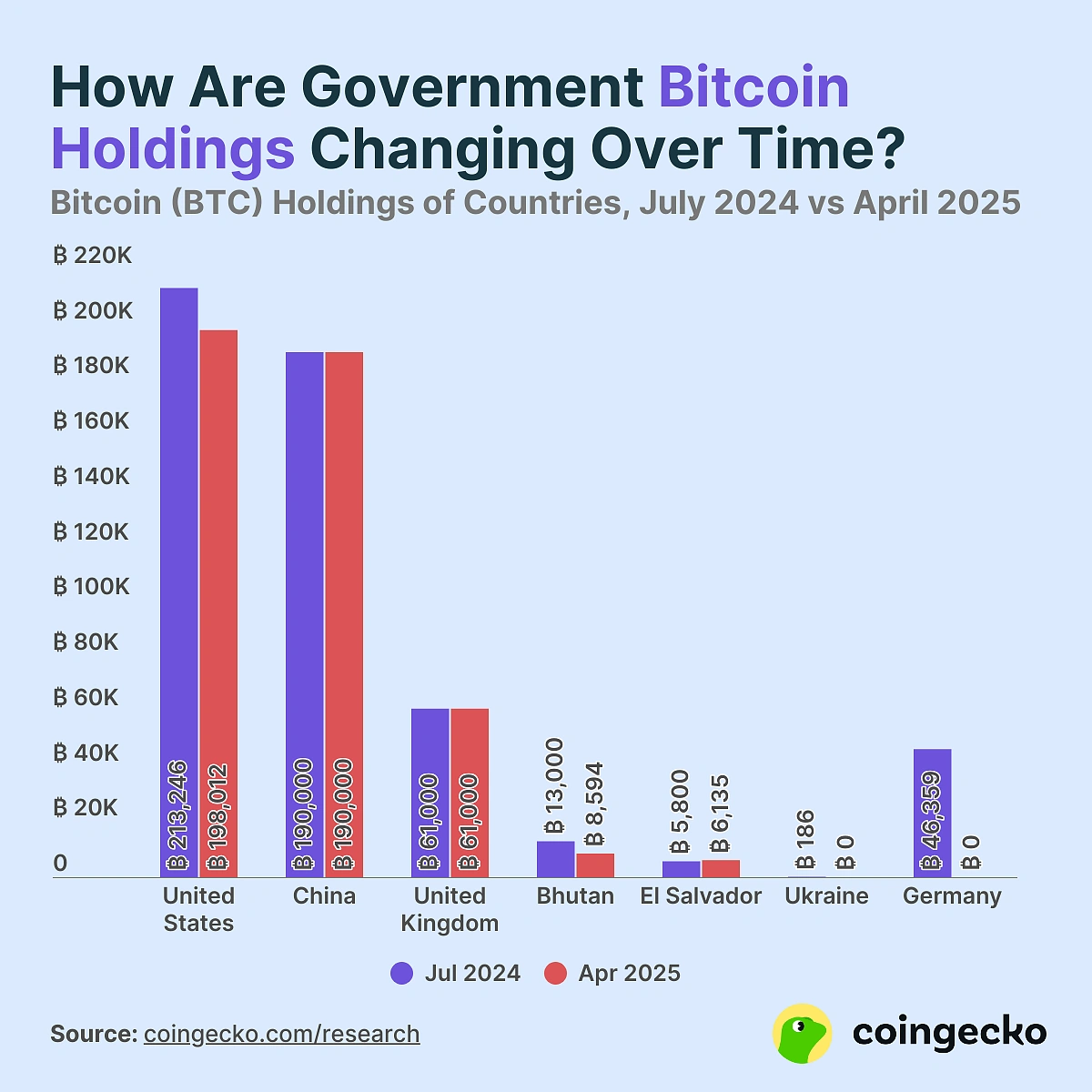
The Strategic Bitcoin Reserve and U.S. Digital Asset Stockpile represent a fundamental shift in how the federal government interacts with digital assets. Rather than treating crypto as a speculative asset class, the administration has framed it as a strategic national resource. This distinction dictates the tools, compliance standards, and market infrastructure required for effective management.
For market participants and analysts, the priority is identifying which tracking and compliance tools align with these new federal standards. The following steps outline the critical infrastructure and software categories that will define the next phase of government crypto integration.
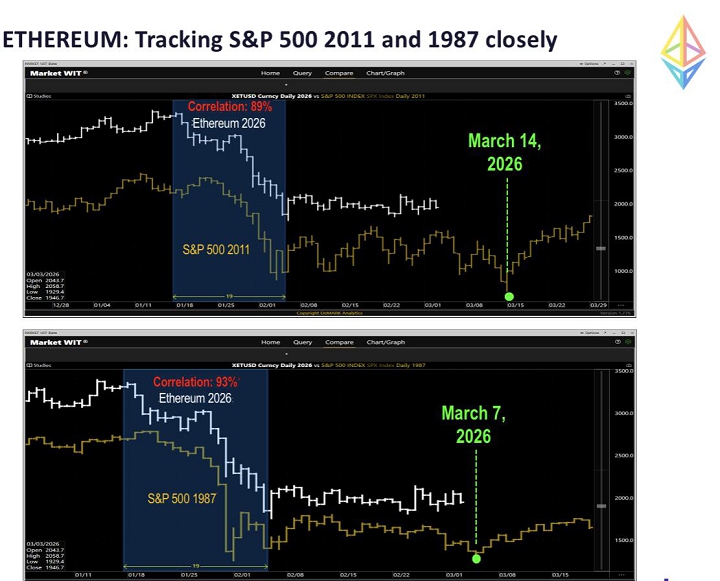
Federal oversight requires the ability to trace funds across wallets and exchanges in real-time. Look for platforms that offer deep blockchain analytics, including entity clustering and transaction graph visualization. These tools help distinguish between legitimate institutional activity and illicit flows, a core requirement for the Digital Asset Stockpile.

The White House fact sheet emphasizes "accurate tracking" and "cohesive approach" to holdings. Software must automate the generation of reports for the IRS, FinCEN, and the Department of the Treasury. Prioritize solutions that integrate directly with legacy government financial systems to reduce manual entry errors and ensure audit readiness.
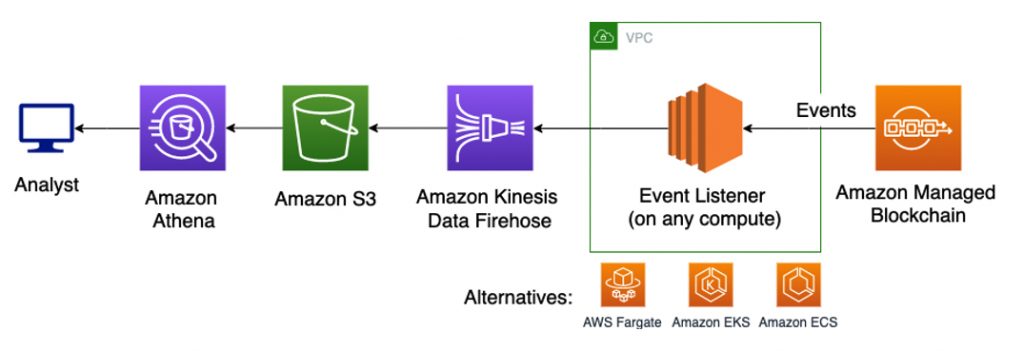
Government holdings require institutional-grade custody. The framework relies on multi-signature wallets and hardware security modules (HSMs) that meet federal security standards. When selecting tracking tools, ensure they support integration with approved custodians, allowing for transparent, immutable logging of all asset movements without compromising security.


As an Amazon Associate, we may earn from qualifying purchases.
The convergence of policy and technology is accelerating. As the government solidifies its position as a major holder of digital assets, the demand for specialized tracking infrastructure will grow. Selecting the right tools now ensures alignment with federal expectations and market stability.
Weakened or Misleading Tracking Options
The federal strategy relies on specific infrastructure to manage the strategic Bitcoin reserve and digital asset stockpile. The White House fact sheet outlines a cohesive approach to oversight, but not all available tools meet that standard. Identifying weak options prevents compliance gaps and ensures accurate reporting of holdings.
Obfuscated Privacy Coins
Assets like Monero and Zcash prioritize anonymity through cryptographic techniques that obscure transaction origins. While useful for private finance, these coins are incompatible with government tracking requirements. Regulatory bodies cannot audit these transactions effectively, making them unsuitable for official reserves or compliance-heavy portfolios.
Generic Retail Wallet Trackers
Popular consumer apps often display real-time balances but lack the audit trails required for institutional oversight. These tools do not integrate with blockchain forensics firms or provide immutable logs for tax authorities. Relying on them for government-level tracking creates a blind spot in asset verification.
Unverified Third-Party APIs
Many dashboards pull data from unofficial sources or delayed feeds. During market volatility, these delays can lead to inaccurate valuations of state-held assets. Official trackers must use primary blockchain data or verified oracle feeds to ensure the integrity of the digital asset stockpile.
Government tracking crypto strategy: what to check next
Addressing the practical concerns around federal oversight and asset management requires looking at current regulatory frameworks and executive actions. The following answers address the most common questions regarding government capabilities, holdings, and market tools.
No comments yet. Be the first to share your thoughts!