How governments track crypto
The idea that cryptocurrency offers complete anonymity is outdated. While blockchain transactions are pseudonymous—linked to wallet addresses rather than names—they are permanently recorded on public ledgers. Government agencies now use sophisticated blockchain analytics to connect these addresses to real-world identities, effectively demystifying the "dark web" narrative.
Chain analysis and entity tagging
Agencies like the IRS and ICE rely on blockchain intelligence firms to trace funds. These tools tag addresses with labels such as "exchange," "mixer," or "darknet market." When a user deposits crypto into a regulated exchange, that platform often provides user data (KYC) to authorities upon request, bridging the gap between the digital wallet and the person behind it. This creates a clear audit trail for most mainstream transactions.
Geo-tracking and compliance reporting
Compliance extends beyond just tracing coins. Some platforms, like Coinbase, have begun providing geo-tracking data to government entities, allowing agencies to pinpoint the physical location of transaction initiators. This level of detail makes it significantly harder to hide the origin or destination of funds, especially when moving through centralized intermediaries rather than decentralized privacy coins.
The role of the Crypto Task Force
Regulatory coordination has intensified. The SEC’s Crypto Task Force, for instance, collaborates with other agencies to standardize enforcement approaches. This unified front means that a single transaction can trigger scrutiny from multiple bodies, including the Treasury Department and law enforcement, increasing the likelihood of detection for non-compliant activity.
Evaluating the tradeoffs in government crypto tracking
Governments are moving from theoretical oversight to active surveillance, creating a complex landscape for compliance and privacy. The core tension lies between the transparency required by regulators and the pseudonymity inherent in blockchain design. Understanding these tradeoffs is essential for anyone navigating the intersection of finance and law.
On-chain visibility vs. Privacy
Public blockchains like Bitcoin and Ethereum are immutable ledgers. Every transaction is permanently recorded and visible to anyone. This transparency is a double-edged sword: it enables efficient auditing but eliminates the anonymity of cash. While addresses are not directly tied to names, blockchain analysis firms can often link addresses to real-world identities through exchange data and behavioral patterns.
Centralized exchange reporting
The most significant data source for governments is the centralized exchange (CEX). Platforms like Coinbase and Binance operate as regulated entities, requiring Know Your Customer (KYC) verification. When you deposit or withdraw fiat currency, the exchange reports this activity to tax authorities and financial crime units. This creates a direct bridge between your digital wallet and your legal identity, making it difficult to hide large holdings from agencies like the IRS or HMRC.
Chain analysis tools
Agencies use specialized software to trace funds across the blockchain. These tools cluster addresses, identify mixing services, and flag suspicious transactions. For example, ICE has integrated data from blockchain analytics providers to track transactions across popular digital currencies. This allows investigators to follow the money trail even if funds are moved through multiple wallets, reducing the effectiveness of simple obfuscation techniques.
Regulatory compliance burden
Compliance requirements vary by jurisdiction but generally mandate the collection of user and transaction data. The UK’s Financial Conduct Authority, for instance, requires firms to collect value, asset type, and transaction details. This regulatory pressure forces service providers to implement robust monitoring systems, effectively turning private platforms into extensions of government enforcement. The result is a system where privacy is increasingly dependent on technical skill rather than legal right.
| Factor | Transparency | Privacy | Compliance Burden |
|---|---|---|---|
| Public Blockchains | High | Low (pseudonymous) | Low |
| Centralized Exchanges | Medium | None (KYC required) | High |
| Decentralized Wallets | High | Medium | Low |
| Privacy Coins | Low | High | High |
Build a practical government tracking framework
Governments no longer rely on guesswork to trace digital assets. Agencies like the IRS and ICE now use direct data feeds from major exchanges and blockchain analytics firms to map transaction histories in real time. Understanding these infrastructure layers helps you assess compliance risks or market stability.
1. Monitor exchange data-sharing agreements
Major platforms like Coinbase and Kraken now voluntarily share user data with law enforcement upon request. This integration means off-ramps are the most vulnerable points for anonymity. Track which jurisdictions have signed mutual legal assistance treaties (MLATs) to understand cross-border data flow.
2. Analyze blockchain forensics tools
Firms like Chainalysis and Elliptic provide the software governments use to label addresses. These tools cluster transactions and flag high-risk entities. For market analysis, monitor their quarterly reports to see which sectors are being targeted for enforcement actions.
3. Track regulatory task force updates
The SEC’s Crypto Task Force and FinCEN issue regular guidance on what constitutes a security or money transmitter. Follow their official press releases for changes in reporting thresholds. These updates often precede new enforcement actions against unregistered platforms.
4. Assess on-chain privacy coin restrictions
Governments are increasingly restricting access to privacy-focused coins like Monero or Zcash. Watch for delistings from regulated exchanges in the US and EU. These moves signal a broader push toward transparent, compliant assets.

Start with official sources like sec.gov or fincen.gov. Avoid unverified blog posts about tracking capabilities. Cross-reference any claims with primary regulatory filings or court documents to ensure accuracy.
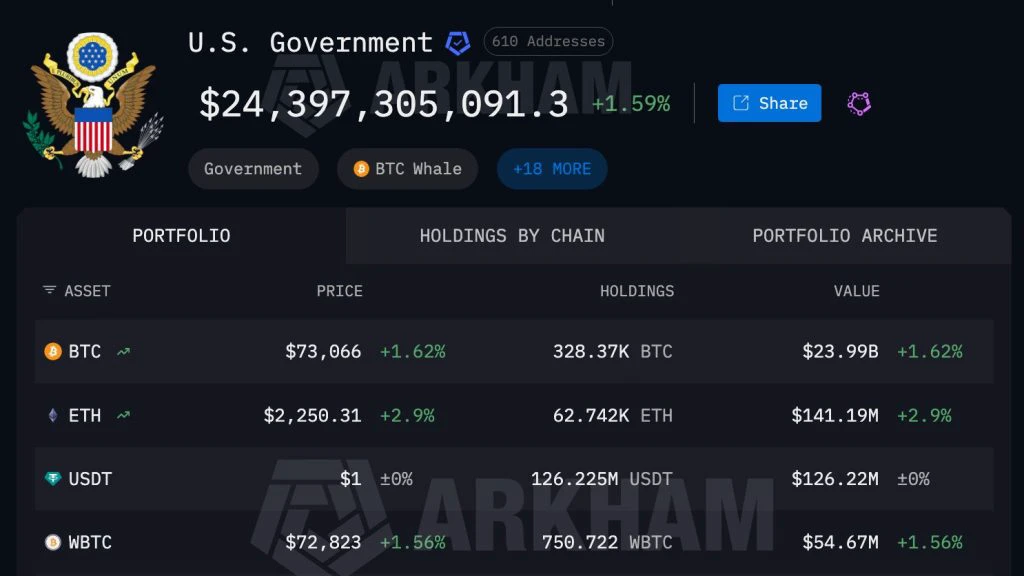
Use blockchain explorers to trace large movements. Identify patterns where funds move from exchanges to private wallets or mixers. This helps you understand the current state of capital flight or institutional accumulation.

Check if your assets are held on platforms with weak KYC/AML procedures. Identify any holdings in jurisdictions with limited data-sharing agreements. This assessment highlights potential exposure to future regulatory scrutiny.
| Data Source | Type | Access Level |
|---|---|---|
| SEC/FINCEN | Regulatory | Public Filings |
| Chainalysis/Elliptic | Analytics | Licensed |
| Blockchain Explorers | On-Chain | Public |
| Exchange KYC | Exchange | Restricted |
Spotting Weak Options and Misleading Claims
Government tracking of cryptocurrency is often overstated in marketing materials. While agencies like the SEC’s Crypto Task Force and ICE have expanded their capabilities, they rely on specific data trails rather than omnipotent surveillance. Understanding the limits of these tools helps you distinguish between legitimate compliance requirements and fear-based sales pitches.
The "Untraceable" Myth
Many projects claim total anonymity, but most public ledgers are immutable and transparent. When a wallet address interacts with a centralized exchange, that link is often permanent. ICE now provides transaction tracking across major assets like Bitcoin and Tether, linking on-chain activity to real-world identities through exchange records. Claiming otherwise is a common mistake in due diligence.
Geo-Tracking Overreach
Some platforms offer geo-tracking data to government entities, but this is not universal. Coinbase, for example, has provided such data, but not all decentralized protocols do. Be wary of tools that promise to "anonymize" your history by mixing funds; these often fail to break the link to your initial fiat on-ramp, creating a false sense of security.
IRS Detection Methods
The IRS does not track every transaction in real time. Instead, it relies on information returns from exchanges (Form 1099-B) and blockchain analysis firms. The "30-day rule" often cited in forums is a misunderstanding; tax liability is triggered by disposal events (sales, trades, spending), not holding periods. Ignoring these triggers because you didn't receive a form is a high-stakes error.
Gov tracking crypto: what to check next
Understanding how blockchain data intersects with regulatory oversight helps you navigate compliance and privacy risks. The following answers address the most common practical objections regarding government visibility into digital assets.
Can governments track crypto?
Yes. While wallets appear anonymous, blockchain ledgers are public and immutable. Law enforcement agencies use specialized software to cluster addresses and link them to real-world identities. Once a connection is established through a regulated exchange or a data leak, the entire transaction history for that address becomes visible to investigators.
Which crypto tracker is the best?
"Best" depends on whether you are a user or an analyst. For compliance and tax reporting, CoinTracker is widely used for its automation. For investigative work, Chainalysis and Elliptic are the industry standards. These tools provide the deep analytics required to trace illicit flows across multiple chains, a capability standard portfolio trackers lack.
How does the IRS know if you have cryptocurrency?
The IRS primarily relies on third-party reporting. Exchanges like Coinbase and Kraken are required to issue Form 1099-B for certain transactions. Additionally, the IRS has access to blockchain analysis tools to match wallet addresses to known entities. If you receive crypto as payment, you must report it as income regardless of whether the exchange issued a tax form.
What is the 30 day rule in crypto?
There is no specific "30 day rule" in federal tax law. This term often confuses users with the UK's 30-day rule, which allows for the disposal of identical assets to the same address within a month to prevent immediate wash-sale-like tax events. In the US, every crypto transaction is a taxable event. You must track the fair market value at the exact time of the transfer to calculate your capital gains or losses accurately.
No comments yet. Be the first to share your thoughts!