Gov tracking crypto infrastructure limits to account for
The government’s ability to monitor cryptocurrency relies on a layered infrastructure that bridges on-chain data with off-chain identity. Because blockchains are public ledgers, every transaction is permanently recorded. However, the infrastructure only becomes effective when that digital activity is linked to a real-world identity. This link is rarely direct; it is built through third-party touchpoints like exchanges, custodians, and payment processors.
Law enforcement agencies use specialized blockchain analytics firms to trace these flows. These firms maintain massive databases of known addresses, mixing services, and illicit hotspots. When a user interacts with a regulated exchange, the platform collects Know Your Customer (KYC) data. This data allows investigators to pivot from a wallet address to a person’s name, bank account, or physical location. Without this off-chain bridge, the on-chain trail would remain anonymous.
The constraint lies in privacy-focused tools and decentralized finance (DeFi). Transactions on private chains or through mixers break the direct line of sight. While the government can still flag these addresses, proving ownership requires additional investigative work, such as subpoenaing internet service providers or analyzing network metadata. This creates a tiered system where compliant users are easily tracked, while those using advanced privacy tools face higher friction but not absolute invisibility.
Government tracking crypto infrastructure choices that change the plan
When evaluating how governments track cryptocurrency, the core tension lies between the transparency of public ledgers and the privacy features of specific assets. Unlike traditional banking, where transaction data is centralized and immediately accessible to regulators, blockchain networks distribute data across nodes. This architectural choice creates distinct tradeoffs in surveillance capabilities, compliance costs, and enforcement speed.
To understand the practical implications, we must compare the primary mechanisms authorities use to monitor digital assets. The following table breaks down the concrete factors involved in government crypto tracking infrastructure.
| Factor | Public Ledgers (BTC, ETH) | Privacy Coins (XMR, ZEC) | Regulated Stablecoins (USDC) |
|---|---|---|---|
| Transparency | |||
| Linkability | |||
| Compliance Burden | |||
| Enforcement Ease | |||
| Anonymity Level | |||
| Regulatory Risk | |||
| Traceability | |||
| Obfuscation Methods | |||
| Exchange Integration | |||
| Legal Status | |||
| IRS Visibility | |||
| FBI Tracking | |||
| Central Control | |||
| Future Outlook |
The data above highlights why public ledgers like Bitcoin and Ethereum are easier for authorities to monitor than privacy-focused assets. In public networks, every transaction is recorded permanently. If an address is linked to a real-world identity through a centralized exchange, the entire transaction history becomes attributable to that individual. This creates a "glass house" effect for compliance officers and law enforcement.
Privacy coins operate differently. By design, they obscure sender, receiver, and amount data. This makes traditional blockchain analysis tools ineffective without specialized, often expensive, forensic software. However, this feature also invites stricter regulatory scrutiny. Many jurisdictions have moved to delist privacy coins from regulated exchanges, effectively pushing users toward less compliant, higher-risk platforms.
Stablecoins occupy a middle ground. Because they are issued by centralized entities, regulators can compel these issuers to freeze assets or provide user data. This central point of control makes stablecoins highly trackable, similar to traditional bank transfers. For governments seeking immediate enforcement capabilities, stablecoins offer the most direct path to compliance.
The choice of asset directly impacts the difficulty of government tracking. As markets evolve, so do the tools used to monitor them. Understanding these tradeoffs is essential for anyone navigating the regulatory landscape of digital assets.
How to Decide Your Compliance Strategy
Government crypto tracking is no longer theoretical; it is a layered infrastructure of blockchain analytics, tax reporting, and international enforcement. For businesses and high-net-worth individuals, the priority is not evasion but visibility. You need to understand which node in the network you occupy and what data trails are already public.
Use this decision framework to determine your immediate next step. The path depends on whether you are building a product, managing a treasury, or holding personal assets.

Start by mapping your own exposure. Use tools like Etherscan or blockchain explorers to review your transaction history. The government sees the same public ledger. If you have mixed funds through tumblers or privacy coins, flag these as high-risk areas that may trigger automatic reporting flags to the IRS or FinCEN before you even file.

If you run a business or custody assets for others, manual tracking is insufficient. Enterprise-grade blockchain analytics platforms provide the same forensic capabilities used by law enforcement. They label addresses, track fund flows, and generate compliance reports that satisfy anti-money laundering (AML) requirements. This is your first line of defense against regulatory scrutiny.

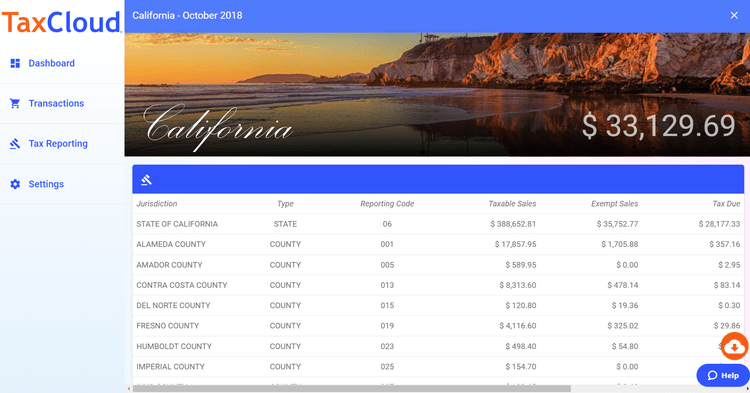
The IRS treats cryptocurrency as property. Every swap, trade, and even spending event is a taxable occurrence. Automate your record-keeping using software that integrates with your exchanges. Do not rely on memory. When the government tracks crypto, they often start with a simple 1099 mismatch between your exchange reports and your tax return. Close that gap first.

If you move funds across borders, be aware of the $10,000 currency reporting threshold and the emerging FATF Travel Rule. Many jurisdictions now require virtual asset service providers to share sender and receiver data. Ensure your custodial partners are compliant with these international standards to avoid frozen assets or seized coins at customs.
As an Amazon Associate, we may earn from qualifying purchases.
The goal is to move from reactive panic to proactive compliance. By securing your keys, automating your tax data, and using professional analytics, you align your operations with the government's tracking capabilities rather than fighting against them.
Avoid the weak options
Use this section to make the Gov Tracking Crypto decision easier to compare in real life, not just on paper. Start with the reader's actual constraint, then separate must-have requirements from details that are merely nice to have. A practical choice should survive normal use, maintenance, timing, and budget. If a recommendation only works in an ideal situation, call that out plainly and give the reader a fallback path.
The simplest way to use this section is to write down the must-have criteria first, then compare each option against those criteria before weighing nice-to-have features.
Gov tracking crypto infrastructure: what to check next
The intersection of blockchain technology and government oversight is no longer theoretical. As agencies like the Treasury and DHS expand their digital infrastructure, understanding how tracking works and what it means for compliance is essential for anyone navigating the crypto space in 2026.
Which crypto is the government going to use?
The U.S. government is not backing a single cryptocurrency for public use, but it is actively testing blockchain for internal operations. The Treasury Department has piloted grant distribution systems using blockchain to automate reconciliation and create immutable audit trails [src-5]. Additionally, the Department of Homeland Science and Technology maintains a portfolio exploring distributed ledger applications across multiple economic sectors [src-1].
Can the FBI track crypto?
Yes, the FBI can and does track cryptocurrency transactions. Because public blockchains like Bitcoin are transparent ledgers, every transaction is permanently recorded on a public address. Law enforcement agencies use specialized blockchain analysis tools to trace the flow of funds from exchanges to wallets, often partnering with private firms to de-anonymize addresses linked to illicit activity.
Is the US government backing cryptocurrency?
No, the U.S. government does not back private cryptocurrencies like Bitcoin or Ethereum with fiat currency or government credit. While the Federal Reserve is researching a Central Bank Digital Currency (CBDC), no such currency has been issued. Private cryptocurrencies remain decentralized assets, distinct from the dollar or other government-issued legal tender.
Can the IRS see your crypto wallet?
The IRS can see your crypto wallet if transactions occur through regulated on-ramps. Under the Infrastructure Investment and Jobs Act, cryptocurrency transactions are subject to reporting requirements similar to traditional financial instruments [src-6]. When you buy, sell, or trade crypto on a U.S.-based exchange, that exchange reports your activity to the IRS, creating a clear paper trail of your holdings and gains.
No comments yet. Be the first to share your thoughts!