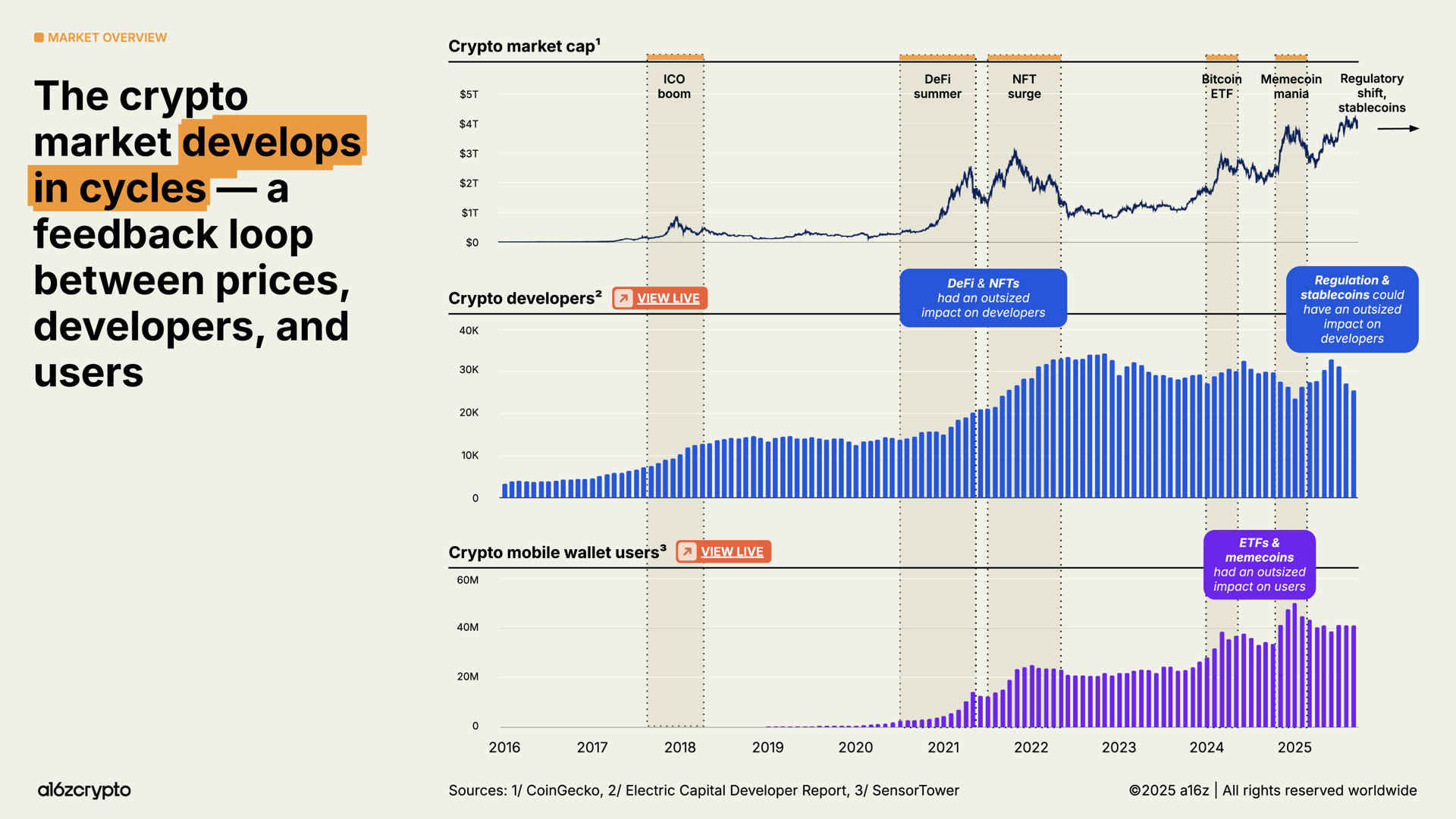
How agencies trace blockchain data now
The idea that cryptocurrency transactions are invisible is one of the most persistent myths in digital finance. In reality, blockchains are public ledgers. Every transaction, from the first Bitcoin mint to the latest stablecoin transfer, is permanently recorded and visible to anyone with an internet connection. For government agencies, this transparency is not a bug; it is the primary tool for enforcement.
Agencies like the FBI and IRS do not need to guess where funds are going. They use specialized blockchain analytics software to map the flow of assets across wallets. While a wallet address might look like a random string of characters, the transaction history attached to it is unchangeable. By following the chain of transfers, investigators can often identify the entities controlling those addresses, especially when the funds move through regulated gateways.
The most significant point of vulnerability for illicit actors is the centralized exchange. Platforms like Coinbase, Binance, and Kraken are required to verify the identities of their users. When an untraceable wallet sends funds to a verified exchange account, the exchange provides the name, email, and often the physical address associated with that account. This single data point allows investigators to "deanonymize" the blockchain, turning abstract wallet addresses into real-world suspects.
Recent developments have expanded this reach. As reported by Klasing Associates, ICE has gained the ability to track transactions across major digital currencies, including Bitcoin, Ether, and Tether, by leveraging data from major platforms. This integration of on-chain data with off-chain identity records means that the "dark web" narrative no longer applies to the broader crypto ecosystem. For institutional researchers, understanding this infrastructure is critical for assessing compliance risks and market integrity.
To understand the scale of this activity, it helps to look at the volume of the assets being tracked. The following chart shows the current market performance of Bitcoin, the most heavily monitored asset in the blockchain surveillance landscape.
The Coinbase Tracer and enforcement contracts
The infrastructure for government crypto analysis is no longer theoretical; it is operational and integrated. A primary example of this shift is Coinbase’s licensing of blockchain tracing software to U.S. Immigration and Customs Enforcement (ICE). This deal marks a significant step in the convergence of private sector compliance tools and federal enforcement capabilities.
By integrating Coinbase’s on-chain data with ICE’s existing investigative frameworks, authorities can now track transactions across major digital assets including Bitcoin, Ether, and Tether. This capability allows enforcement agencies to move beyond simple wallet identification to understanding the flow of funds across complex networks.
This partnership highlights a broader trend where major exchanges act as data providers for law enforcement. Instead of relying solely on subpoenas for individual user data, agencies are accessing aggregated, anonymized, or pseudonymized transaction patterns to identify illicit activity at scale.
The implications for institutional market research are clear: regulatory scrutiny is increasingly data-driven and automated. Understanding these infrastructure deals helps analysts anticipate how compliance costs and enforcement risks will evolve in the crypto sector.
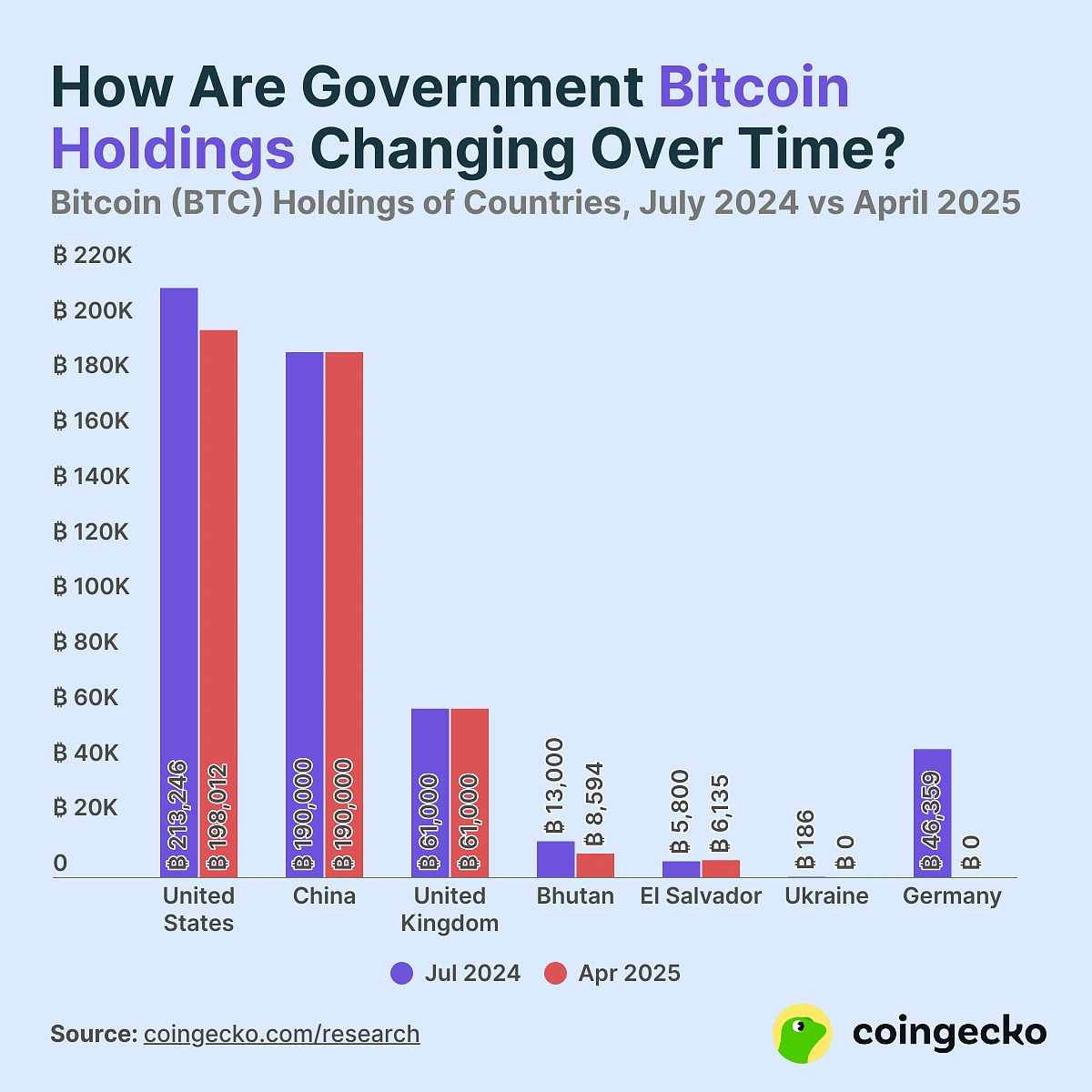
To contextualize the market dynamics driving this infrastructure, consider the current performance of Bitcoin, the primary asset involved in many of these tracing efforts.
Regulatory trackers and policy shifts
The US regulatory environment for digital assets has shifted from broad enforcement actions to a more structured, albeit fragmented, oversight framework. For institutional market research, understanding the specific agencies involved and the legislative tools they use is essential for accurate risk assessment. The landscape is currently defined by the interplay between the Securities and Exchange Commission (SEC), the Commodity Futures Trading Commission (CFTC), and ongoing congressional efforts to codify clearer standards.
At the center of this regulatory architecture is the SEC Crypto Task Force. Established to provide clarity on the application of federal securities laws to the crypto asset market, the Task Force recommends practical policy approaches to enforcement and regulation. Its guidance helps firms determine which assets fall under securities jurisdiction versus commodity classification, a distinction that fundamentally alters compliance requirements. The SEC’s official tracker of these initiatives remains the primary source for understanding how existing laws are being applied to novel blockchain technologies.
Beyond the SEC, legislative trackers from major law firms and policy institutes offer a broader view of the statutory changes underway. Resources like the US Crypto Policy Tracker from Latham & Watkins LLP and the Cryptocurrency Regulation Tracker from the Atlantic Council provide real-time updates on bills that could reshape reporting requirements, tax obligations, and market structure. These trackers are critical for institutional researchers who need to anticipate how new laws might impact asset liquidity and custody solutions.
To contextualize the market’s reaction to these regulatory developments, it is useful to observe price volatility during key policy announcements. The following chart illustrates Bitcoin’s price action, which often spikes or corrects in response to regulatory news from the SEC or Congress.
IRS reporting rules and John Doe summonses
The Internal Revenue Service has moved beyond passive observation to active, data-driven enforcement in the crypto space. For institutional researchers and high-net-worth individuals, the landscape is defined by two primary mechanisms: standardized transaction reporting and the aggressive use of John Doe summonses. These tools allow the IRS to pierce through the veil of pseudonymity that once protected digital asset holders.
Form 1099-DA and transaction visibility
The introduction of Form 1099-DA represents a structural shift in how digital asset transactions are reported. Unlike previous years where reporting was fragmented across various 1099-K or 1099-B forms, this new schedule aims to provide a unified view of all crypto transactions. Exchanges and decentralized finance (DeFi) protocols are increasingly required to report gross proceeds and cost basis directly to the IRS.
This means that every sale, trade, or swap is potentially flagged. The data is not just aggregated; it is itemized. For institutions, this simplifies compliance but eliminates the possibility of "under-the-radar" gains. The IRS cross-references these forms with tax returns, making discrepancies highly visible during audits.
John Doe summonses for non-compliance
When individual reporting fails to match expected income levels, the IRS deploys the John Doe summons. This legal tool allows the agency to issue subpoenas to cryptocurrency exchanges or service providers for customer data without naming specific individuals initially. The goal is to identify a pattern of non-compliance among a specific group of users.
Once the IRS identifies a target group through this method, they can refine the summons to name specific individuals. This has been used effectively in cases involving high-volume traders who failed to report gains. The threat of a John Doe summons serves as a powerful deterrent, signaling that the IRS is actively mapping the ecosystem.
Live market context
Understanding the scale of enforcement requires looking at the assets themselves. The volatility and volume of major cryptocurrencies often correlate with increased scrutiny, as large movements can trigger audit flags.
Compliance Checklist for Institutional Research
Institutional investors must treat government tracking not as a theoretical risk, but as a baseline operational reality. With agencies like the IRS and ICE leveraging blockchain analytics to trace transactions across Bitcoin, Ether, and Tether, the assumption of anonymity no longer holds for regulated entities. Your compliance infrastructure must account for this visibility to avoid regulatory penalties and reputational damage.
The following checklist outlines the core areas institutions must audit to ensure their crypto holdings and research practices align with current government tracking capabilities and reporting requirements.
- Transaction Visibility Audit: Verify that your internal systems can map on-chain addresses to known entities. Agencies like the FBI and IRS maintain extensive databases linking blockchain activity to real-world identities. Ensure your custodians and exchanges are providing full transaction histories, including geo-tracking data where available.
- Regulatory Tracker Integration: Subscribe to official policy trackers such as those maintained by the Atlantic Council or major law firms like Latham & Watkins. Regulatory landscapes shift rapidly; static compliance policies become obsolete within months. Real-time monitoring of legislative developments is essential for anticipating new reporting mandates.
- Tax Reporting Reconciliation: Implement automated tools to reconcile crypto transactions with IRS Form 8949 requirements. The IRS explicitly states it can track cryptocurrency, and failure to report can lead to severe penalties. Ensure your accounting software captures cost basis, holding periods, and transaction dates for every asset movement.
- Counterparty Due Diligence: Assess the compliance posture of every exchange and platform you interact with. Platforms like Coinbase now provide geo-tracking and transaction data to government entities. Understand which jurisdictions your counterparties operate in and how they handle law enforcement requests.
Market Context
Understanding the scale of government tracking requires looking at the assets themselves. The following chart shows the current market performance of Bitcoin, the most tracked cryptocurrency, providing context for the volume of data available to regulators.
Key Takeaway
Compliance is no longer optional. Institutions must proactively audit their transaction visibility, integrate real-time regulatory tracking, and ensure rigorous tax reconciliation to manage the government’s sophisticated crypto tracking infrastructure.
Common questions about crypto tracing
Government agencies have built robust infrastructure for on-chain analysis, but the technology has inherent limits. While blockchain records are permanent and public, identifying the human behind a wallet address remains a complex legal and technical challenge.
Can privacy coins hide transactions from the government?
Privacy-focused coins like Monero or Zcash use cryptographic techniques to obscure transaction details, making them significantly harder to trace than Bitcoin or Ethereum. However, these coins are not invisible. Governments monitor exchanges and peer-to-peer platforms where these assets are bought or sold. Once a privacy coin is converted back to a fiat currency or a transparent blockchain asset, the trail often reappears.
Do mixing services guarantee anonymity?
Mixers pool user funds to break the link between sender and receiver, but they are no longer anonymous tools. The IRS and FinCEN have explicitly classified certain mixing services as "money services businesses" requiring registration. Major mixers have faced sanctions, and blockchain analytics firms like Chainalysis maintain databases of mixer addresses. Using a mixer often flags a wallet for enhanced due diligence or scrutiny by financial institutions.
What is the limit of government reach?
The primary limitation is jurisdictional and resource-based. The FBI and IRS can trace any transaction on public blockchains, but they typically focus on high-value targets or activities involving national security, terrorism, or large-scale fraud. For small-scale personal transactions, the cost of investigation usually outweighs the benefit. However, the infrastructure exists to trace any transaction if the agency decides to prioritize it.
Helpful gear
Use these product recommendations as a starting point, then choose the size, material, and price point that fit how you actually use the gear.


As an Amazon Associate, we may earn from qualifying purchases.
No comments yet. Be the first to share your thoughts!