How agencies track digital assets
Use this section to make the Gov Tracking Crypto Analysis decision easier to compare in real life, not just on paper. Start with the reader's actual constraint, then separate must-have requirements from details that are merely nice to have. A practical choice should survive normal use, maintenance, timing, and budget. If a recommendation only works in an ideal situation, call that out plainly and give the reader a fallback path.
The simplest way to use this section is to write down the must-have criteria first, then compare each option against those criteria before weighing nice-to-have features.
Key platforms for government monitoring
Enforcement agencies and compliance teams rely on specialized blockchain analysis tools to trace illicit flows, enforce sanctions, and manage seized assets. These platforms transform raw on-chain data into actionable intelligence by labeling addresses, clustering wallets, and mapping entity relationships. For agencies tracking crypto, the choice of platform often depends on the balance between investigative depth and regulatory compliance features.
Chainalysis remains the industry standard for many government bodies. Its platform integrates blockchain data with artificial intelligence to help agencies engage with crypto confidently. Chainalysis is particularly valued for its extensive entity labeling database, which covers thousands of exchanges, mixers, and darknet markets. This breadth allows investigators to quickly identify counterparties and trace funds across multiple hops, making it a critical tool for sanctions enforcement and anti-money laundering (AML) initiatives.
Arkham Intelligence offers a different approach, focusing on real-time transparency and visual mapping. Arkham is well-known for its public-facing explorer, which allows anyone to track the holdings and movements of major entities, including the U.S. Government itself. For law enforcement, Arkham’s strength lies in its ability to visualize complex transaction graphs and identify patterns in real-time. It is often used alongside other tools to provide a layer of public accountability and to monitor high-profile wallets associated with illicit activity.
The table below compares the core capabilities of these major providers. Understanding these differences helps agencies select the right tool for specific investigative or compliance needs.
| Feature | Chainalysis | Arkham Intelligence | Elliptic |
|---|---|---|---|
| Primary Use Case | Investigation & Compliance | Real-time Transparency | Banking Compliance |
| Entity Labeling | Extensive (AI-driven) | Community & AI | High (Banking-focused) |
| Visualization | Graph-based | Interactive Map | Transaction Flow |
| Public Explorer | Limited (Client-only) | Full Public Access | Limited |
| Regulatory Focus | Global Sanctions | On-chain Forensics | AML/KYC |
How exchanges share your data
Centralized exchanges act as the primary gatekeepers between the blockchain and law enforcement. Because they require identity verification, they hold the real-world names, addresses, and contact details that correspond to blockchain addresses. When authorities issue a subpoena or court order, these platforms must provide that information.
This cooperation goes beyond basic account details. Major platforms like Coinbase have begun licensing blockchain tracing software to law enforcement agencies. This allows investigators to access geo-tracking data and transaction histories directly, effectively turning the exchange into a surveillance node for government agencies. The result is that anonymity on centralized platforms is largely a myth once a warrant is issued.
The IRS and other tax authorities use these legal powers extensively. They often issue "John Doe" summonses to compel data from multiple users simultaneously, bypassing the need to identify individuals one by one in the initial stages of an investigation. This systematic data sharing ensures that crypto transactions on centralized platforms are rarely invisible to the government.
2026 regulatory landscape shifts
The legal framework governing digital assets has moved beyond experimental guidelines into enforceable mandates. By 2026, the distinction between traditional finance and crypto compliance has narrowed significantly, driven by new legislative acts and updated regulatory interpretations. Governments are no longer asking for transparency; they are requiring it through standardized reporting channels.
In the United States, the focus has shifted from broad policy discussions to specific enforcement mechanisms. The Securities and Exchange Commission (SEC) and the Commodity Futures Trading Commission (CFTC) have issued clearer directives on what constitutes a security versus a commodity, impacting how exchanges must track and report user transactions. This clarity forces platforms to adopt more robust internal monitoring systems to avoid severe penalties.
Globally, the Financial Action Task Force (FATF) recommendations have been fully integrated into national laws in major economies. This means that crypto service providers must adhere to strict "travel rule" standards, sharing sender and recipient information for every transaction above a certain threshold. The result is a tracking environment where anonymity is increasingly difficult to maintain, and compliance is baked into the code and infrastructure of digital asset services.
For businesses, this landscape requires proactive adaptation. Relying on outdated compliance tools is no longer sufficient. Organizations must align their tracking protocols with the latest regulatory expectations to ensure they remain operational and trustworthy in a highly scrutinized market.
Compliance strategies for market participants
The shift from shadow markets to regulated infrastructure changes how you track assets. For businesses and investors, the goal is no longer just avoiding detection; it is building systems that withstand scrutiny. Transparency is now a feature, not a bug, of the modern crypto economy.
Start by integrating data from established blockchain analytics providers. Platforms like Chainalysis combine blockchain data with AI to help financial institutions engage confidently with crypto assets. These tools provide the necessary visibility into transaction flows, allowing you to flag suspicious activity before it becomes a regulatory liability.
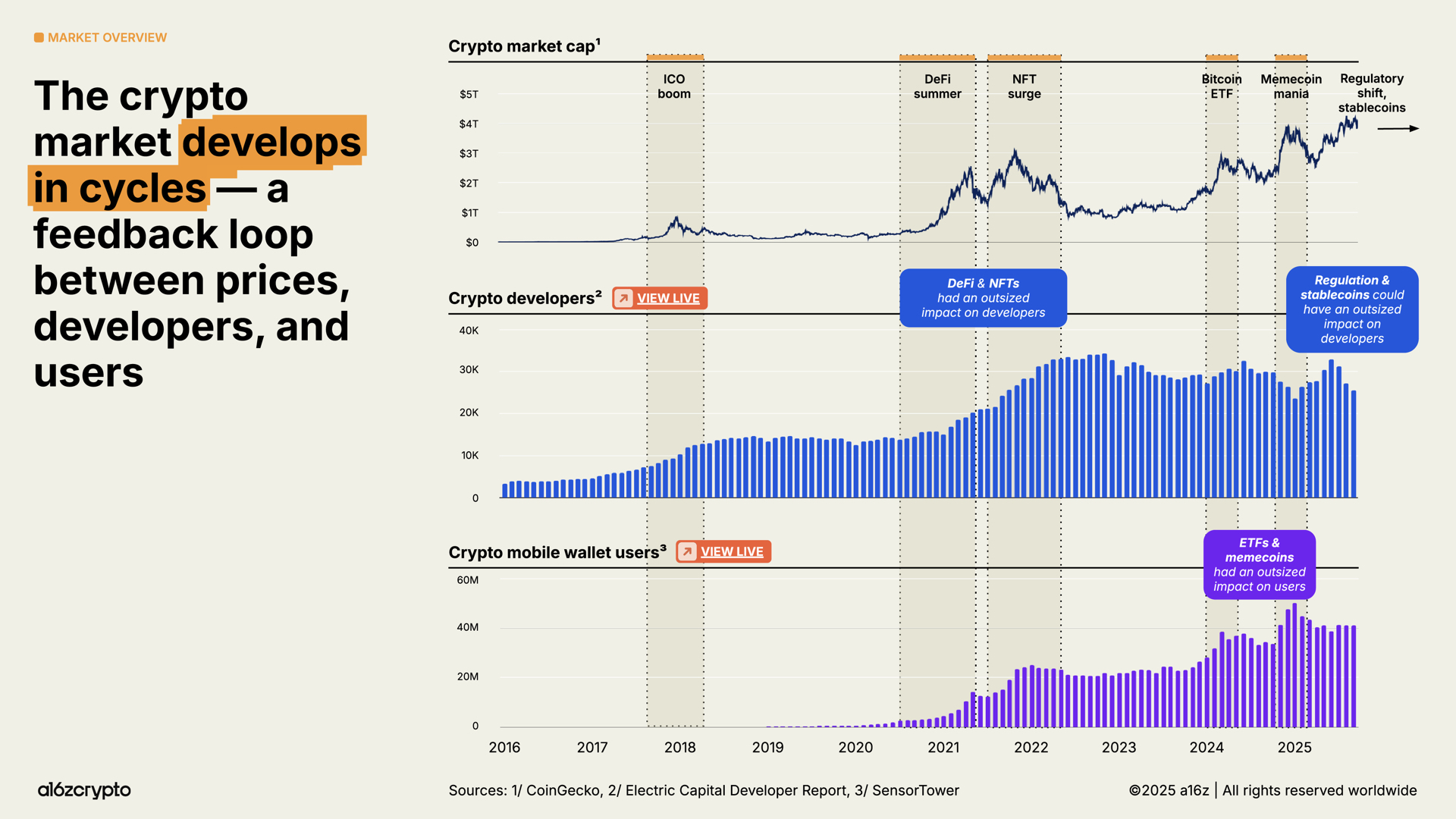
You should also monitor market movements in real-time. Understanding the current price action of major assets helps contextualize transaction volumes and identify anomalies that might indicate market manipulation or laundering attempts.
Common questions about crypto tracking
Many users worry about how much of their financial life is visible to authorities. The reality is that blockchain data is public, but connecting that data to your identity requires specific legal steps or third-party information.
Can the government see my personal wallet activity?
Yes, in specific circumstances. While your wallet address is pseudonymous, tax authorities like the IRS use sophisticated blockchain analysis tools to track activity. They have issued "John Doe" summonses to exchanges to identify users involved in certain transactions. If your wallet interacts with a regulated exchange, that link can be established.
Do I need to worry about privacy on public ledgers?
Public ledgers record every transaction permanently. If you ever connect your identity to an address—through a KYC-compliant exchange, a merchant, or a subpoenaed service provider—that history becomes traceable to you. Avoiding KYC helps in some contexts, but it does not make you invisible to sophisticated tracking tools.
What is the difference between blockchain data and identity data?
Blockchain data is the raw record of transactions; it shows movement of funds but not necessarily who moved them. Identity data links those movements to a real person. Governments typically need to bridge this gap using exchange records or legal summonses to know exactly who owns a wallet.
No comments yet. Be the first to share your thoughts!