
How the government tracks cryptocurrency
The premise of anonymity in cryptocurrency is largely a myth for everyday users. If you have ever used a centralized exchange like Coinbase or Binance, the government already knows your identity. These platforms are required to collect Know Your Customer (KYC) data, linking your real-world identity to your wallet addresses. Once that link is established, blockchain analytics firms can trace transaction flows across the network, mapping activity back to specific individuals.
Visibility is about to increase significantly. Starting in 2026, the IRS will receive copies of every 1099-DA form issued by crypto brokers. This new reporting requirement gives tax authorities unprecedented visibility into trading activity, including gross proceeds, transaction dates, and wallet addresses. This data creates a comprehensive ledger that makes hiding assets or income increasingly difficult.
There is no legal way to cash out cryptocurrency without acknowledging the transaction to tax authorities. While strategies like tax-loss harvesting can reduce your overall tax bill, converting crypto to fiat currency remains a taxable event. Simply moving funds between your own non-custodial wallets is generally considered non-taxable, but any interaction with a regulated on-ramp or exchange triggers reporting obligations.
Government tracking crypto choices that change the plan
When evaluating tools for compliance or privacy, you are balancing visibility against cost and complexity. The government’s ability to trace transactions depends heavily on the infrastructure you use. Centralized exchanges provide a clear paper trail through KYC data, while decentralized protocols offer pseudonymity but require sophisticated analysis to untangle.
Key evaluation factors
Identity linkage: Centralized platforms like Coinbase now share geo-tracking and identity data with authorities. If you use these services, your wallet addresses are directly tied to your legal identity. This makes tracing immediate for agencies like the IRS, which receives 1099-DA forms detailing your gross proceeds and transaction dates.
Blockchain analytics: Government agencies use specialized blockchain analysis firms to follow money flows. Even if you move funds to a non-KYC wallet, the initial entry point from an exchange can be traced. These tools flag suspicious patterns, such as mixing services or rapid layering of transactions.
Transaction transparency: Public blockchains are immutable ledgers. Every transfer is visible to anyone. While your name may not appear, your address history is permanent. This transparency is a double-edged sword: it aids compliance reporting but also exposes your financial history to public scrutiny.
Comparison of tracking methods
| Method | Visibility | Privacy Level | Regulatory Risk |
|---|---|---|---|
| Centralized Exchange | High | Low | High (KYC/1099-DA) |
| Decentralized Wallet | Medium | Medium | Low (No KYC) |
| Privacy Coin | Low | High | Very High |
| Mixing Services | Low | Very High | Critical |
Market context
Understanding the current market volatility is essential for compliance planning. Price fluctuations can impact the value of reported assets and trigger different tax thresholds. Monitor real-time data to stay informed about market movements that may affect your reporting obligations.
How to choose the right compliance tools
Government tracking is no longer theoretical. With the IRS set to receive copies of every 1099-DA form starting in 2026, the window for manual record-keeping is closing. You need a stack that captures on-chain data, matches it to your identity, and prepares you for audit season. The right tools don't just track; they translate blockchain noise into tax-ready reports.
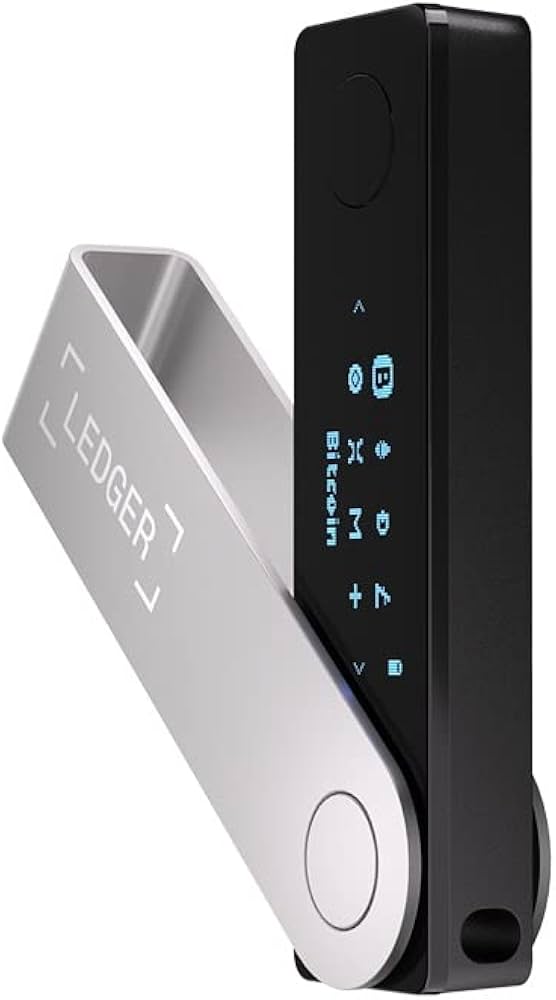
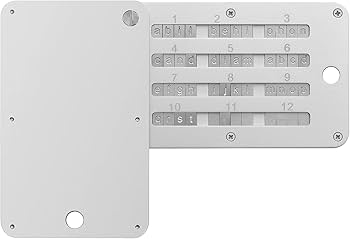
1. Secure your identity with a hardware wallet
If you hold significant assets, a hardware wallet is your first line of defense against exchange risks and unauthorized access. While it doesn't hide transactions from the blockchain, it ensures that only you control the private keys. Look for devices with open-source firmware and strong physical security features.

As an Amazon Associate, we may earn from qualifying purchases.
2. Automate transaction tracking
Manual entry is a compliance trap. Use a portfolio tracker that connects to your wallets via read-only API keys or direct blockchain indexing. These tools aggregate data from multiple chains, giving you a unified view of your holdings and transaction history without exposing your private keys.
3. Generate tax-ready reports
Not all trackers are created equal for compliance purposes. Choose a platform that specifically generates IRS-compliant forms, including Form 8949 and Schedule D. The best tools allow you to review each transaction before filing, flagging potential errors like missing cost basis data or misclassified transactions.
4. Verify exchange compliance
Ensure your exchanges are fully KYC-compliant. Centralized exchanges in the US are required to report user activity to the IRS. If you use multiple platforms, consolidate your data in one tracker to avoid gaps. Remember, the IRS receives copies of 1099-DA forms directly, so any discrepancy between your tracker and their data will trigger an audit.
5. Consult a crypto-savvy CPA
Even with the best tools, tax laws are complex and evolving. A CPA who understands blockchain can help you navigate specific situations like staking rewards, DeFi interactions, or cross-chain swaps. They can also advise on tax-loss harvesting strategies to legally reduce your liability.
Spotting Weak Tracking Tools
The 2026 crypto compliance landscape is crowded with tools that overpromise privacy. Many platforms claim to be "tax-proof" or "untraceable," but these claims often ignore the reality of IRS Form 1099-DA reporting. If you are using a centralized exchange, your identity is already linked to your on-chain activity through KYC data. Relying on vague "privacy coins" or obscure wallets without understanding their limitations is a common mistake that leads to compliance gaps.
The 1099-DA Reality Check
Starting in 2026, the IRS receives copies of every 1099-DA form issued by crypto brokers. This gives them unprecedented visibility into your trading activity, including gross proceeds, transaction dates, and wallet addresses. Tools that suggest you can hide these transactions are misleading. The primary risk is not just the transaction itself, but the failure to report it accurately. Always prioritize tools that integrate directly with IRS reporting standards rather than those that obscure data.
Common Mistakes to Avoid
One of the most frequent errors is assuming that moving crypto between personal wallets is a taxable event. While this is non-taxable, failing to track the cost basis of those assets can lead to significant errors when you eventually cash out. Another mistake is relying on outdated analytics tools that do not account for the new reporting requirements. Ensure your chosen infrastructure can handle the increased data volume and specificity required by the IRS. Using a tool that only tracks simple buys and sells will leave you vulnerable to audits.
Evaluating Tool Reliability
When selecting a tracking solution, look for explicit support for Form 1099-DA and integration with major US-based exchanges. Avoid tools that require you to manually input data for every transaction, as this increases the risk of human error. Instead, opt for automated solutions that pull data directly from exchange APIs. This ensures accuracy and reduces the administrative burden. Remember, the goal is not to evade taxes, but to ensure accurate reporting and avoid penalties. The best tools provide clear, auditable records that align with current IRS guidelines.
No comments yet. Be the first to share your thoughts!