Gov tracking crypto analysis: how the infrastructure works
Understanding how government agencies track cryptocurrency requires looking at the intersection of public ledgers and regulated intermediaries. Bitcoin transactions are permanently recorded on a public blockchain. If your wallet is linked to your identity, your transactions can be tracked. Government agencies can track your identity if you've provided Know Your Customer (KYC) information to your exchange. This linkage transforms anonymous pseudonyms into traceable financial profiles.
The infrastructure supporting this tracking has become increasingly sophisticated. Major platforms like Coinbase are now providing geo-tracking data to the government, licensing blockchain tracing software to enforcement agencies. This means that even if you use privacy-focused tools, your entry and exit points through regulated exchanges are often the weak links in anonymity.
From a compliance perspective, the reporting landscape is tightening. Cashing out crypto and moving the dollars triggers a Currency Transaction Report under the Bank Secrecy Act. From 2025, US exchanges report gross proceeds to the IRS on Form 1099-DA regardless of the $10,000 threshold. Banks and exchanges also file Suspicious Activity Reports with FinCEN, with no dollar floor. This creates a comprehensive trail that is difficult to obscure without significant technical expertise and operational security risks.
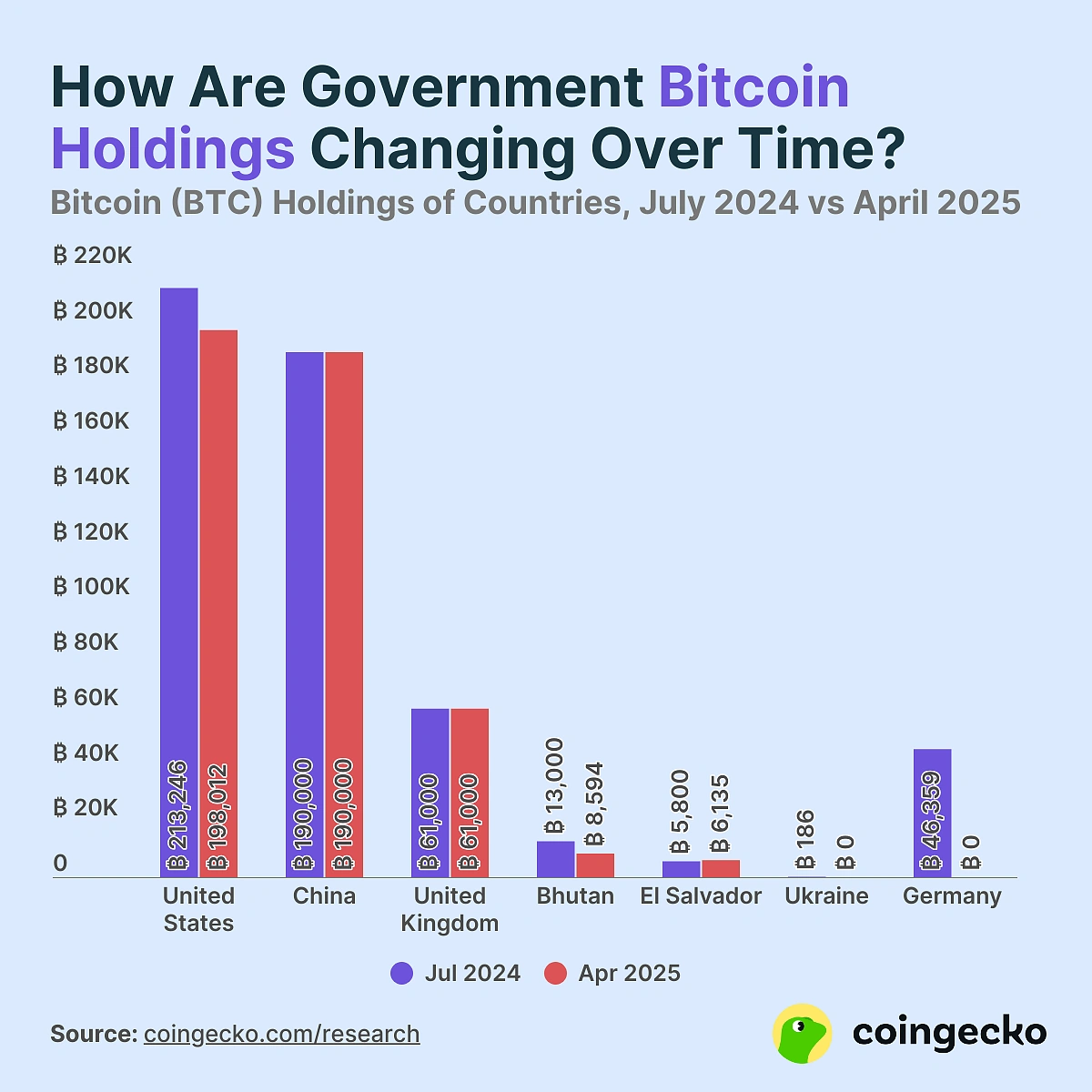
The strategic implication for 2026 is clear: regulatory scrutiny is not just theoretical. It is embedded in the daily operations of major financial institutions. As the US government explores a strategic reserve including Solana, Cardano, Ripple, Ethereum, and Bitcoin, the infrastructure for tracking these assets is being standardized rather than fragmented. This standardization makes historical data analysis more reliable for investigators.
Tradeoffs in government tracking crypto analysis
When evaluating how government agencies monitor digital assets, you are weighing transparency against privacy. The infrastructure required for compliance is robust, but it creates permanent records. Understanding these tradeoffs helps you anticipate regulatory pressure and market shifts.
Government tracking relies on three main levers: exchange compliance, blockchain forensics, and geographic data. Each lever offers different levels of visibility and carries distinct risks for users and institutions.
Compliance and Identity Verification
Centralized exchanges now act as gatekeepers. They verify your identity through Know Your Customer (KYC) protocols, linking your wallet address to your legal name. This creates a direct line for authorities to trace transactions from your account to any counterparty.
The tradeoff here is convenience versus anonymity. KYC makes trading easier and integrates crypto with traditional banking, but it removes the shield of pseudonymity. If an exchange cooperates with law enforcement, your entire transaction history becomes accessible.
Blockchain Analysis and Forensics
All Bitcoin and Ethereum transactions are public. Specialized firms like Chainalysis and Elliptic use software to label addresses and cluster wallet activities. They can often identify the source and destination of funds even if you use mixing services.
This creates a persistent ledger. While your name might not be on the blockchain, your behavior patterns often are. Authorities use this data to flag suspicious activity, making it difficult to hide large movements of value without drawing attention.
Geographic and Banking Data
Moving crypto off-ramps into fiat currency triggers bank reporting. In the US, exchanges report gross proceeds on Form 1099-DA, and banks file Suspicious Activity Reports with FinCEN. This data is shared across agencies, including the IRS.
Geographic tracking adds another layer. Some platforms now provide location data to enforcement agencies. This means your digital footprint is tied to your physical location, making it harder to operate across borders without detection.
| Tracking Lever | Visibility | User Risk | Mitigation Challenge |
|---|---|---|---|
| Exchange KYC | High | Identity Linkage | Hard to avoid |
| Blockchain Forensics | Medium | Pattern Analysis | Complexity required |
| Bank Reporting | High | Fiat Conversion | Off-ramp avoidance |
| Geo-Data | Medium | Location Tracking | Privacy tools |
The landscape is shifting toward greater transparency. As regulations tighten, the costs of non-compliance rise. Users must decide how much privacy they are willing to sacrifice for ease of use.
Choose the next step
Gov Tracking Crypto Analysis works best as a clear sequence: define the constraint, compare the realistic options, test the tradeoff, and choose the path with the fewest hidden costs. That order keeps the advice usable instead of decorative. After each step, pause long enough to check whether the recommendation still fits the reader's actual situation. If it depends on perfect timing, unusual access, or a best-case budget, include a simpler fallback.
Watchouts for government crypto tracking
Government agencies are expanding their ability to monitor cryptocurrency activity through both regulatory reporting and commercial partnerships. Understanding where these tracking mechanisms intersect with your holdings helps you avoid compliance mistakes.
KYC data links your identity to the chain
Exchanges that require identity verification create a permanent record connecting your name to specific wallet addresses. Once a transaction passes through a KYC-compliant platform, government agencies can trace the flow of funds from that point backward and forward. Avoiding these platforms does not guarantee anonymity, as blockchain analysis firms can still cluster addresses based on transaction patterns.
Geo-tracking partnerships expand visibility
Major exchanges like Coinbase have licensed blockchain tracing software to law enforcement, allowing agencies to pinpoint user locations and transaction histories with greater precision. This integration means that even if you use privacy-focused tools, your entry and exit points into the traditional financial system remain visible. Be aware that data sharing agreements between platforms and government bodies are becoming more common.
Tax reporting changes affect all holdings
Starting in 2025, US exchanges must report gross proceeds from crypto transactions to the IRS on Form 1099-DA, regardless of the transaction amount. This eliminates the previous loophole where small transactions went unreported. Additionally, banks and exchanges file Suspicious Activity Reports with FinCEN for any transaction, creating a comprehensive audit trail that makes hiding significant activity increasingly difficult.
Gov tracking crypto analysis: what to check next
Before making decisions on digital asset holdings, it helps to understand how government agencies monitor blockchain activity and what data is actually visible. The following answers address the most common practical concerns regarding privacy, taxation, and policy.
Helpful gear
Use these product recommendations as a starting point, then choose the size, material, and price point that fit how you actually use the gear.


As an Amazon Associate, we may earn from qualifying purchases.
No comments yet. Be the first to share your thoughts!