How blockchain surveillance works today
The idea that cryptocurrency offers total anonymity is largely a myth. While blockchain addresses look like random strings of characters, the transaction history they generate is permanent, public, and immutable. Every movement of funds is recorded on a shared ledger that anyone can inspect. This transparency is what makes digital assets traceable, but it is the link between those public addresses and real-world identities that allows government agencies to effectively track you.
The primary vulnerability in crypto privacy is Know Your Customer (KYC) compliance. When you use a regulated exchange to buy Bitcoin or Ethereum, you are required to verify your identity with government-issued documents. This creates a direct bridge between your legal identity and your wallet address. Once that link is established, every transaction associated with that address becomes attributable to you. If you transfer those funds to a private wallet, the history of how you acquired them remains visible on the blockchain.
Law enforcement agencies have leveraged this data structure for years. The U.S. Immigration and Customs Enforcement (ICE) has utilized blockchain analytics to track transactions across major digital currencies, including Bitcoin, Ether, and Tether. By combining on-chain data with off-chain KYC records from exchanges, investigators can follow the flow of assets from their source to their final destination. This capability turns the "pseudonymous" nature of blockchain into a persistent digital footprint.
This traceability extends beyond simple transfers. When you cash out crypto and move dollars into a traditional bank account, you trigger additional reporting requirements. Under the Bank Secrecy Act, large cash transactions must be reported, and exchanges are increasingly required to file Suspicious Activity Reports with FinCEN. As regulatory frameworks tighten, the ability of agencies to map digital asset movements to specific individuals only grows more robust.
How Agencies Trace Digital Assets
Law enforcement agencies no longer rely solely on subpoenas to follow the money. Major cryptocurrency exchanges and specialized intelligence firms have integrated directly with government workflows, creating a real-time pipeline for transaction data. This partnership transforms the public blockchain from an anonymous ledger into a traceable record of financial activity.
Coinbase Tracer and ICE Partnerships
The U.S. Immigration and Customs Enforcement (ICE) Homeland Security Investigations (HSI) unit has established a direct line to Coinbase through the Coinbase Tracer platform. This tool allows agents to track transactions across popular digital currencies, including Bitcoin, Ether, and Tether, without waiting for lengthy legal processes for every step of an investigation.
By accessing this data, investigators can link wallet addresses to specific user identities. If a suspect moves funds from a personal wallet to Coinbase, the platform provides the associated account details. This capability significantly reduces the time required to identify suspects and seize assets in cases involving ransomware, fraud, or illicit trade.
The Role of Blockchain Intelligence
Beyond exchange data, agencies use blockchain intelligence firms to analyze on-chain patterns. These tools help identify mixing services and tumblers that attempt to obfuscate transaction trails. By mapping these connections, law enforcement can reconstruct the flow of funds even when suspects use multiple hops to hide their identity.
This data sharing is not limited to federal agencies. State and local law enforcement often collaborate with federal partners who have access to these advanced tracing tools. The result is a more coordinated approach to crypto enforcement, where data from exchanges and intelligence platforms work together to build comprehensive cases.
Reporting shifts and tax compliance
The regulatory landscape for digital assets has tightened significantly, particularly regarding how the IRS captures transaction data. The most impactful change is the introduction of Form 1099-DA. Starting in 2025, US-based cryptocurrency exchanges are required to report gross proceeds from digital asset transactions directly to the IRS. This requirement applies regardless of the transaction size, effectively removing the previous thresholds that might have kept smaller trades off the radar.
This shift means that anonymity through small, frequent trades is no longer a viable strategy for tax evasion. Exchanges act as information intermediaries, sending detailed records of your activity to the government. The goal is to create a transparent audit trail that matches your reported income against your actual crypto movements.
Beyond gross proceeds, agencies are leveraging Suspicious Activity Reports (SARs) to flag irregular behavior. Banks and exchanges file these reports with FinCEN whenever they detect patterns that suggest money laundering or other illicit activities. Unlike traditional currency transaction reports, which often have a $10,000 floor, SARs have no minimum dollar amount. Any transaction that appears unusual or structured to avoid reporting can trigger a filing.
The combination of mandatory Form 1099-DA reporting and broad SAR filing powers has effectively vanished the threshold for scrutiny. The IRS now has a comprehensive view of crypto holdings and transfers, making it increasingly difficult to hide digital asset income. Compliance is no longer optional; it is a fundamental requirement for anyone holding or trading cryptocurrency in the United States.
Market impact and regulatory trends
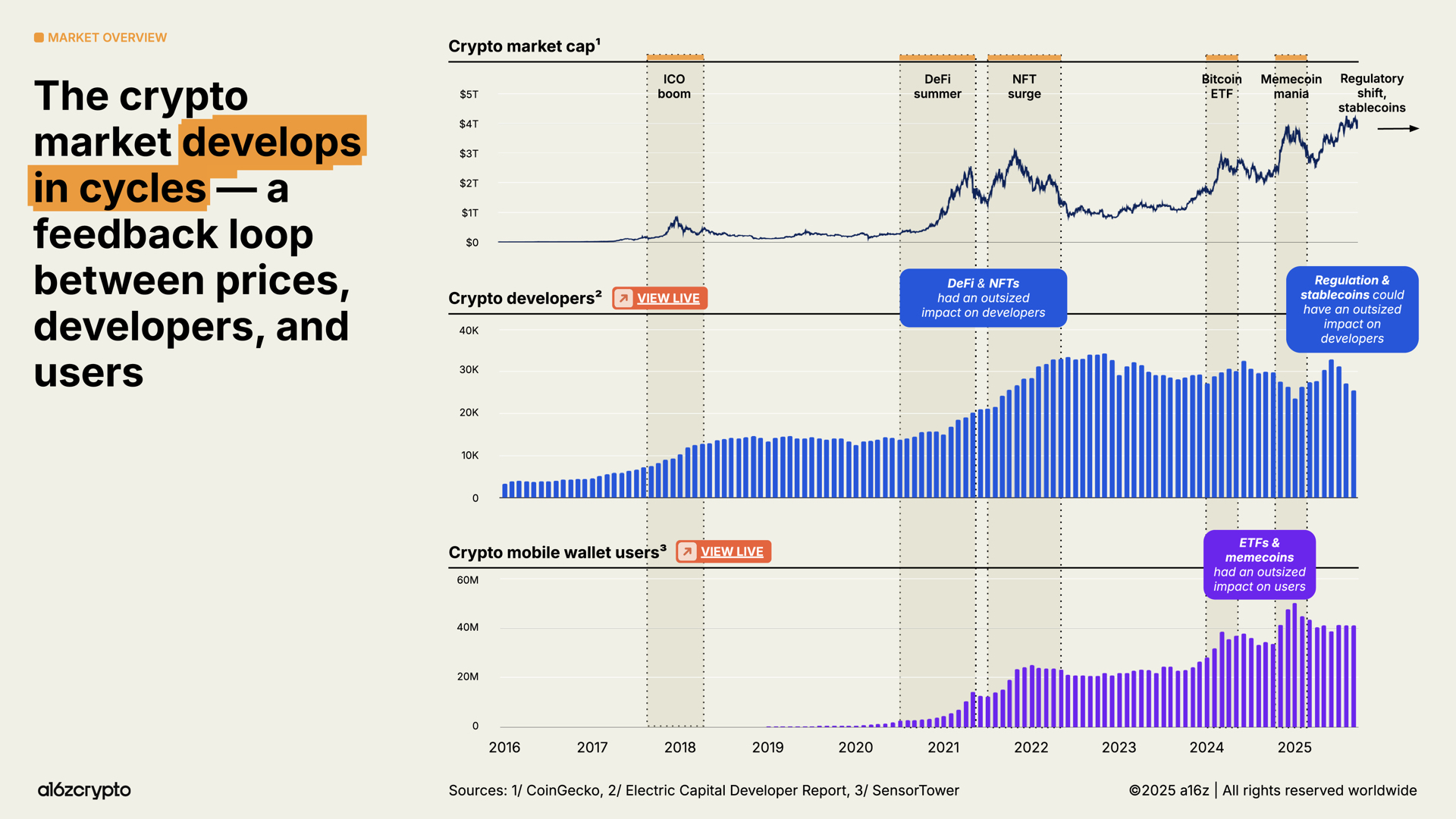
Increased government surveillance of digital assets is reshaping the crypto market landscape. As agencies refine their tracing capabilities, the industry is moving away from the "wild west" era toward a regulated, institutionalized framework. This shift affects liquidity, adoption, and how global bodies like the Atlantic Council track compliance.
Institutional adoption and liquidity
Strict reporting requirements have created a barrier to entry for some retail participants but have paved the way for institutional investors. Large firms prefer regulated environments where asset custody and transaction transparency are guaranteed. This has stabilized market liquidity by reducing the volatility associated with illicit flows and unregulated exchanges.
The introduction of clear tax reporting standards, such as the upcoming IRS Form 1099-DA, signals a maturing market. While some view this as an intrusion, institutions see it as a necessary step for legitimacy. This clarity encourages traditional finance players to allocate more capital to digital assets, knowing the regulatory risks are being mitigated.
Global regulatory divergence
Regulatory approaches vary significantly across jurisdictions, creating a complex landscape for global operators. The Atlantic Council’s Cryptocurrency Regulation Tracker highlights how 75 economies are navigating these rules. Some nations embrace innovation with clear guidelines, while others impose strict bans or heavy restrictions.
This divergence impacts cross-border transactions and liquidity pools. Companies must adapt their compliance strategies to operate in multiple jurisdictions, often leading to fragmented markets. Understanding these differences is crucial for anyone involved in the digital asset space.
Market reaction to surveillance
Market participants closely watch regulatory announcements for signs of future policy direction. Increased surveillance often leads to short-term price volatility as traders adjust to new compliance costs. However, long-term trends suggest that clear regulations reduce uncertainty, fostering a more stable environment for investment.
Live Market Data
Regulatory Comparison
| Region | Regulatory Approach | Reporting Requirement | Market Trend |
|---|---|---|---|
| United States | Enforcement & Legislation | High (1099-DA) | Institutional Adoption |
| European Union | MiCA Framework | High (Travel Rule) | Standardization |
| Asia | Mixed (Ban to Embrace) | Varies | Fragmented |
| Global | FATF Guidelines | Travel Rule | Convergence |
No comments yet. Be the first to share your thoughts!