Set up your compliance baseline
Build Gov Tracking Crypto Infrastructure works best as a sequence, not a scramble through settings. Do the minimum first: confirm compatibility, connect the core hardware, update only when needed, and test the result before adding optional features. That order keeps the task understandable and makes failures easier to isolate. After each step, pause long enough for the interface to finish syncing. Many setup problems are timing problems disguised as configuration problems. If the same step fails twice, record the exact error, restart the smallest affected piece, and retry before moving deeper.
The simplest way to use this section is to keep the setup small, verify each change, and record the stable configuration before adding optional accessories.
Choose your tracking tools
Selecting the right software is the difference between a successful audit and a dead end. Government-grade crypto tracking requires more than just blockchain explorers; it demands tools that can de-anonymize wallets, trace cross-chain bridges, and generate court-admissible reports. Agencies typically combine commercial analytics platforms with custom forensic scripts.
The landscape is dominated by three primary vendors that have secured contracts with federal and local law enforcement. Chainalysis remains the industry standard for its extensive transaction graph and compliance database. Elliptic offers strong alternatives, particularly for fiat on-ramp analysis. TRM Labs provides real-time risk scoring that integrates directly with exchange APIs. Choosing between them often comes down to specific jurisdictional requirements and budget constraints.
| Vendor | Primary Strength | Cost Model | Gov Adoption |
|---|---|---|---|
| Chainalysis | Transaction graph depth | High (Enterprise) | Widespread (FBI, IRS) |
| Elliptic | Fiat on-ramp tracing | High (Enterprise) | Strong (Europol, UK NCA) |
| TRM Labs | Real-time API integration | Medium-High | Growing (State AGs) |
| CipherTrace | Privacy coin analysis | Medium | Moderate (DOJ) |

For smaller agencies or specific forensic tasks, open-source tools like BitTrace or custom Python scripts using the web3 library can supplement commercial licenses. However, these lack the pre-labeled entity databases that commercial tools provide. Without these labels, identifying a wallet belonging to a known darknet market or sanctioned entity requires significant manual effort.
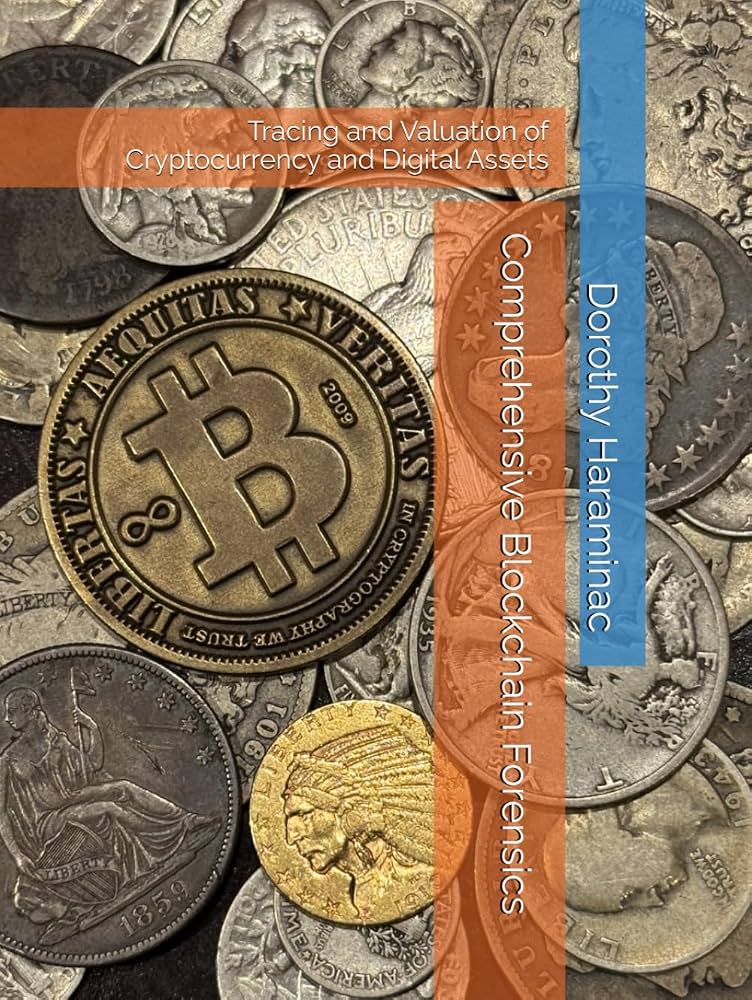


As an Amazon Associate, we may earn from qualifying purchases.
When evaluating these options, prioritize tools that offer direct integration with your existing case management systems. The ability to export data in formats compatible with legal proceedings is non-negotiable. Many agencies start with a pilot program involving one major platform before scaling to a full suite. This approach minimizes disruption while allowing teams to assess the software's accuracy against known case data.
Implement the tracking workflow
Integrating crypto tracking into government operations requires a structured approach that moves from data ingestion to actionable intelligence. The goal is to build a system that not only monitors transactions but also ensures compliance and auditability. Based on successful pilots, such as the Treasury Department’s blockchain grant distribution system, an effective workflow relies on automated reconciliation and clear audit trails.
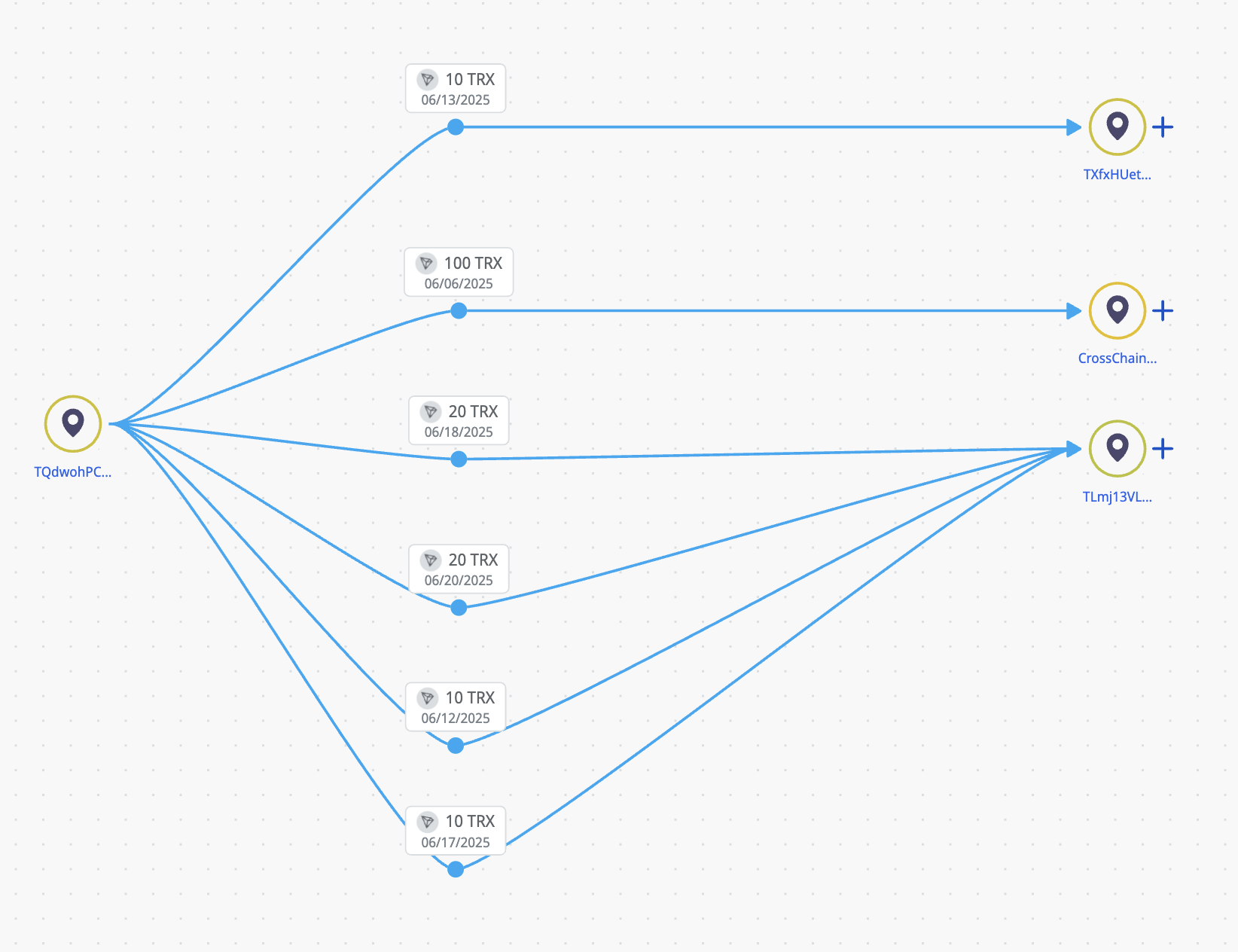
Begin by establishing direct connections to blockchain nodes or trusted data aggregators. This step involves configuring APIs to pull real-time transaction data for the specific cryptocurrencies and networks you are monitoring. Ensure your system can handle the volume and speed of data flow without latency, as delays can compromise the ability to act on suspicious activity.
Raw blockchain data is pseudonymous. To make it useful, you must apply entity tagging to cluster addresses associated with specific individuals, organizations, or services. Use clustering algorithms to link multiple addresses to a single entity. This transforms anonymous wallet addresses into identifiable actors, allowing you to track the flow of funds across complex networks.
Cross-reference the tagged entities against official sanction lists, such as the OFAC SDN list, and internal watchlists. This step should be automated to flag transactions in real-time. If a transaction involves a sanctioned entity, the system should trigger an alert or halt the process, depending on your operational protocols. This ensures that your infrastructure actively enforces compliance rather than just recording history.
Create immutable logs of all tracking activities, decisions, and alerts. As demonstrated in government grant pilots, automated reconciliation reduces errors and provides a clear chain of custody for digital assets. These audit trails are critical for internal reviews and external audits, ensuring that every action taken by your tracking system is transparent and verifiable.

Regularly analyze the data generated by your tracking system to identify new patterns, vulnerabilities, or emerging risks. Use these insights to refine your tagging algorithms and screening criteria. Continuous improvement ensures that your infrastructure remains effective against evolving tactics used by bad actors.
Avoid common compliance mistakes
Building a government-grade tracking system means navigating a regulatory environment that is still defining its own boundaries. The most frequent pitfall is assuming that current frameworks are static. Digital assets are legally defined as digital representations of value, a classification that triggers existing securities and commodities oversight depending on the token’s structure src-serp-5. Misinterpreting this classification is a fast track to regulatory scrutiny.
Treating all tokens as the same asset class
A common error is applying a single compliance logic to every digital asset. A security token, a utility token, and a currency-like asset face different reporting requirements. If your infrastructure assumes uniformity, you will miss critical disclosure obligations. Build your logic to distinguish between asset types early in the design phase, referencing specific regulatory guidance for each category rather than relying on broad generalizations.
Ignoring the reporting threshold
Another frequent mistake is underestimating the granularity of transaction reporting. Government pilots often require real-time or near-real-time visibility into wallet movements. If your system only aggregates data or delays reporting, you create a blind spot that regulators view as intentional obfuscation. Ensure your architecture captures the necessary metadata for every transaction, not just the final balance.
Relying on outdated legal interpretations
The regulatory landscape for digital assets shifts rapidly. A compliance strategy based on last year’s guidance may be obsolete today. Always anchor your legal advice in current official sources. Do not rely on third-party summaries or outdated industry reports. When in doubt, consult primary regulatory documents or seek counsel from firms specializing in federal digital asset law to ensure your infrastructure meets the latest standards.
Verify your infrastructure readiness
Before going live, run through this final audit. Government pilots like the Treasury’s digital asset tracking initiatives show that systems often fail not on code, but on compliance gaps. Treat this checklist as your pre-flight inspection.
-
KYC/AML Integration: Ensure your system flags high-risk wallets and integrates with OFAC sanctions lists in real-time.
-
Audit Trail Integrity: Verify that every transaction hash, timestamp, and node ID is immutable and stored for the required retention period.
-
Data Privacy Controls: Confirm that personally identifiable information (PII) is encrypted at rest and in transit, meeting federal standards like FIPS 140-2.
-
Interoperability Testing: Validate that your API endpoints can successfully exchange data with other government agencies (e.g., IRS, FinCEN) using standard formats.
-
Disaster Recovery Plan: Document and test your backup procedures. If the primary ledger goes down, how quickly can you restore service without losing chain data?
If any item is unchecked, pause deployment. Government contracts are unforgiving; fix these gaps now rather than facing an audit later.
No comments yet. Be the first to share your thoughts!