Define your tracking scope
Start by identifying exactly which digital assets and jurisdictions fall under your compliance mandate. A government tracking guide must account for the specific regulatory frameworks applicable to the entities involved, whether they are federal agencies, state regulators, or private compliance officers.
Begin with the IRS Digital Assets page to understand baseline reporting requirements. The IRS treats virtual currency as property, meaning general tax principles applicable to property transactions apply to digital assets. This includes reporting transactions involving cryptocurrency and non-fungible tokens (NFTs) on tax returns [[src-serp-1]]. Ignoring these baseline definitions creates immediate liability.
Callout: Start with the IRS Digital Assets page to understand baseline reporting requirements.
Next, map the jurisdictional scope. Federal regulations often interact with state-level money transmitter laws and FinCEN guidelines. Determine if the assets in question are classified as securities, commodities, or property under local law. This classification dictates the reporting frequency, data retention periods, and the specific forms required.
Finally, list the specific asset types. Do not group all "crypto" together. Distinguish between decentralized tokens, stablecoins, and centralized exchange holdings. Each category may trigger different tracking protocols. A precise scope prevents gaps in the audit trail and ensures the guide remains actionable for compliance teams.
Select infrastructure for data collection
Building a government tracking guide requires infrastructure that captures transaction and user data with legal precision. The right tools ensure you can retrieve the specific fields regulators demand, such as wallet addresses, transaction hashes, and geo-location metadata. Choosing the wrong platform risks gaps in the audit trail or non-compliance with data retention laws.
Follow this sequence to select the appropriate data collection stack.

Before selecting software, list the exact data points mandated by your jurisdiction. For example, UK guidance specifies collecting value, asset type, transaction type, and unit count for every event. If your compliance framework requires geo-tracking, ensure the platform can link wallet activity to physical location data, as some exchanges now provide this to authorities.

On-chain explorers track public ledger activity but often lack user identity. Exchange APIs (like Coinbase or Binance) provide the "know your customer" (KYC) data needed to link addresses to real-world entities. For a complete guide, integrate both: use explorers for transaction history and APIs for identity verification.
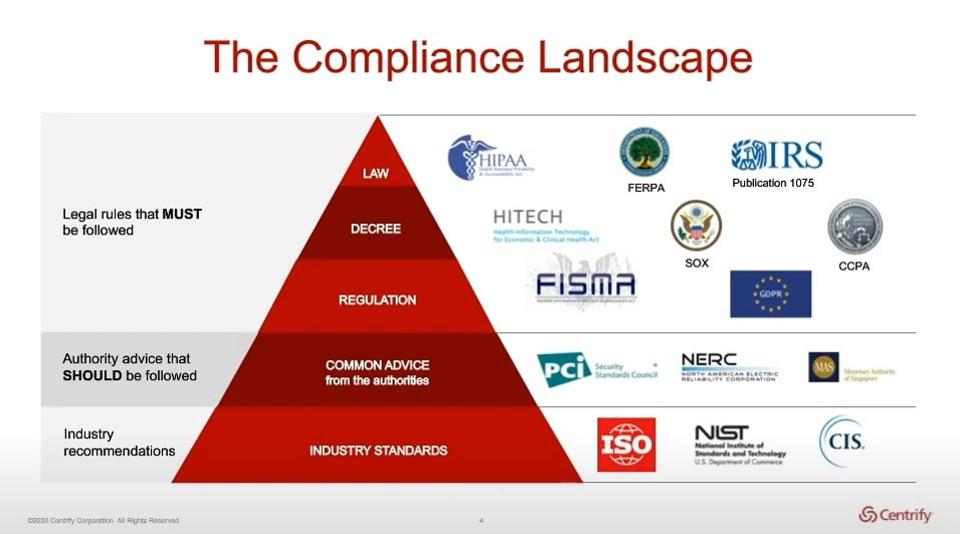
Ensure your chosen tools allow for automated, immutable storage of collected data. Regulators may request historical data years later. Check if the platform supports exporting data in standard formats (CSV, JSON) without manual intervention, and whether it offers audit logs to prove data integrity.

Validate that the collected data can be fed directly into your reporting software. Manual data entry introduces errors. Use sandbox environments to simulate transaction flows and verify that the final report matches the raw data collected from the blockchain and exchanges.
Integrate market research sources
To build a compliant tracking guide, you must anchor your analysis in reliable, official data. Relying on unverified market sentiment or secondary summaries introduces significant regulatory risk. Instead, prioritize primary sources that track legislative changes and regulatory enforcement actions directly.
Start by integrating established regulatory trackers. The Atlantic Council’s Cryptocurrency Regulation Tracker provides a structured view of how 75 economies classify and regulate digital assets. This resource is essential for understanding the global baseline of compliance requirements. For US-specific developments, Latham & Watkins’ US Crypto Policy Tracker offers detailed updates on legislative and regulatory shifts. These sources provide the factual backbone needed to distinguish between speculative market movements and actual legal obligations.
When selecting data providers, evaluate them against the following criteria to ensure they meet compliance standards:
| Source Type | Primary Focus | Update Frequency | Compliance Reliability |
|---|---|---|---|
| Atlantic Council | Global regulatory frameworks | Weekly | High |
| Latham & Watkins | US legislative developments | Real-time | High |
| General News Aggregators | Market sentiment and price | Continuous | Low |
| Social Media Feeds | Retail investor opinion | Continuous | Very Low |
Official trackers and legal firm publications offer higher reliability for compliance purposes because they interpret raw legal text rather than just reporting market reactions. General news aggregators and social media feeds are useful for gauging market sentiment but should never serve as the primary source for compliance decisions. Integrating these high-reliability sources ensures your guide reflects actual regulatory intent rather than market noise.
Validate your strategy against regulations
Before publishing, you must ensure your guide aligns with current legal standards. Regulatory frameworks for digital assets are shifting rapidly, and relying on outdated information creates significant liability. This section outlines the specific checks required to verify your content's compliance.
Check IRS reporting requirements
The IRS has significantly strengthened its ability to track cryptocurrency transactions. With the introduction of Form 1099-DA in 2026, effective from the 2025 tax year, reporting obligations are becoming more granular [src-serp-8]. Your guide must accurately reflect these new forms and deadlines. Avoid suggesting methods to obscure transaction history, as this contradicts current enforcement priorities.
Verify state-level money transmitter laws
Federal rules are only part of the picture. Many states have their own money transmitter acts (MTA) and virtual currency regulations. You must verify if your guide’s advice triggers licensing requirements in specific jurisdictions. For example, New York’s BitLicense or California’s DFPI regulations may impose stricter standards than federal guidelines. Omitting these nuances can lead to misleading advice for users in regulated states.
Audit for securities law compliance
Determine if any tokens discussed in your guide could be classified as securities. The Howey Test remains the primary framework for this determination. If your guide recommends specific tokens or projects, ensure you include clear disclaimers that this is not financial advice. Avoid making price predictions or guaranteeing returns, as these practices often violate securities regulations.
Review anti-money laundering (AML) standards
Ensure your guide promotes adherence to AML and Know Your Customer (KYC) protocols. Financial Action Task Force (FATF) recommendations influence global standards. Your content should encourage users to use compliant exchanges and wallets. Do not provide instructions on using privacy coins or mixers to evade detection, as this violates anti-money laundering laws in most jurisdictions.
Review your draft against current IRS guidelines and state-specific regulations. Remove any outdated tax advice or suggestions that could facilitate evasion. Ensure all claims about token classifications are supported by current legal precedent.

Include clear statements that the guide is for informational purposes only. Specify that it does not constitute legal, tax, or financial advice. Place these disclaimers prominently at the beginning and end of the article.

Check all cited regulations and forms for their effective dates. Ensure links to official sources like the IRS or FinCEN are current and functional. Remove any references to repealed rules or expired proposals.
Have a qualified legal professional review the guide before publication. This step is critical for high-stakes content. Document their feedback and any changes made to ensure accountability.
Frequently asked: what to check next
Does the government track my cryptocurrency?
Yes. Regulators and law enforcement agencies use blockchain analysis tools to trace transaction histories. In the United States, the IRS explicitly states that you must report transactions involving digital assets on your tax returns. Globally, the UK’s Financial Conduct Authority requires firms to collect specific user and transaction data, including asset type, value, and unit counts, to monitor for illicit activity.
What data do exchanges share with authorities?\nMajor platforms are increasingly cooperating with government agencies. For example, Coinbase has been reported to provide geo-tracking data to the government. Under the Travel Rule, virtual asset service providers must collect and share sender and receiver information for transactions above certain thresholds, creating a digital paper trail that links wallet addresses to real-world identities.
How can I track crypto for compliance purposes?
Build a system that logs every transaction, including the date, value, asset type, and counterparty. Use blockchain analysis services to flag high-risk addresses, such as those linked to mixers or sanctioned entities. Maintain these records for audit trails, as the U.S. Treasury has tested blockchain-based systems for automatic reconciliation in grant distributions to ensure transparency and prevent fraud.
No comments yet. Be the first to share your thoughts!