Government tracking crypto infrastructure
The premise that cryptocurrency offers anonymous escape is outdated. Government agencies rely on a mature infrastructure of blockchain analytics firms and regulatory reporting requirements to map digital asset flows. If you are conducting market research or assessing compliance risk, understanding this tracking stack is essential.
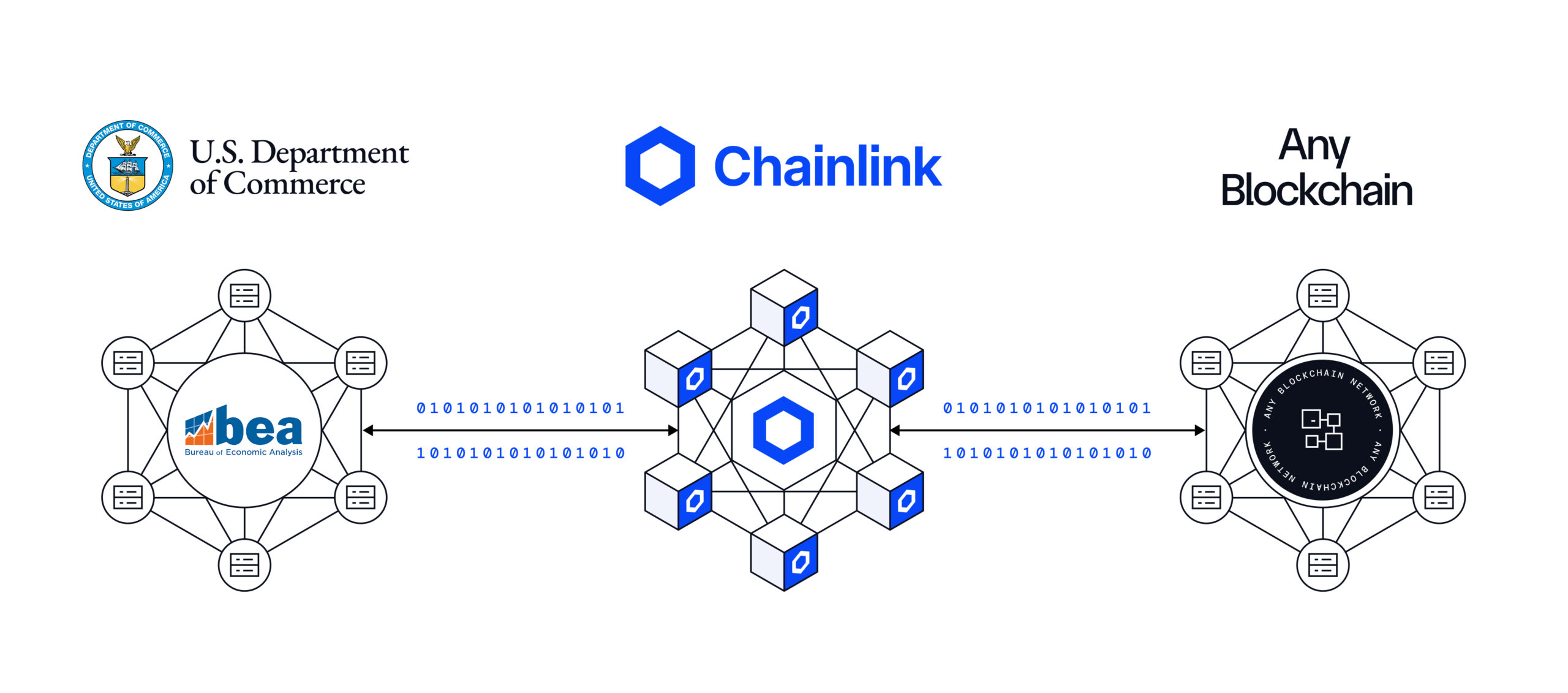
The IRS treats digital assets as property, requiring detailed transaction reporting on tax returns [src-serp-1]. Meanwhile, the Department of Homeland Science and Technology explores blockchain applications across sectors, including forensic analysis [src-serp-2]. This dual approach creates a comprehensive visibility layer over the market.
Tracking relies on the immutable nature of public ledgers. Every transaction is permanent and visible, allowing agencies to link addresses to real-world identities through exchange KYC data and forensic clustering. The FBI and IRS routinely use these methods to trace illegal activity, proving that privacy coins and decentralized exchanges are not invisible sanctuaries.
For researchers, this means market data is more transparent than it appears. Price movements and volume spikes are often tied to regulatory events or enforcement actions. Understanding the tools behind this visibility helps predict market reactions to policy shifts.
Evaluating tracking infrastructure choices that change the plan
When assessing government crypto surveillance capabilities, you must look beyond the headline claims of total anonymity. The reality is a spectrum of traceability defined by the underlying protocol design and the data available to enforcement agencies. Understanding these tradeoffs helps distinguish between coins that offer genuine privacy and those that merely obscure activity behind a veil of complexity.
The primary differentiator is the public ledger. In transparent networks like Bitcoin, every transaction is permanently recorded and visible to anyone. This permanence allows agencies like the FBI and IRS to use blockchain analysis tools to link addresses to real-world identities, especially when interacting with regulated exchanges. The more a network prioritizes transparency, the easier it becomes for government trackers to build a comprehensive financial profile of its users.
Conversely, privacy-focused coins utilize cryptographic techniques to hide sender, receiver, and amount data. While these offer stronger anonymity, they often face stricter regulatory scrutiny and delisting from major platforms. Evaluating the tradeoff means weighing the level of obscurity against the practical usability of the asset in a regulated economy. The following table breaks down these structural differences to help you understand the risks involved.
| Feature | Transparent (e.g., Bitcoin) | Privacy-Focused (e.g., Monero) | CBDC (Central Bank Digital Currency) |
|---|---|---|---|
| Transaction Visibility | Public and permanent | Hidden or zero-knowledge | Fully visible to issuer |
| Regulatory Risk | High compliance required | High restriction/delisting | Mandatory use |
| Traceability | High (linkable to identity) | Low (hard to link) | Trivial (direct identity link) |
| Enforcement Tools | Blockchain analytics | Protocol-level barriers | Backend ledger access |
Choose the next step
Gov Tracking Crypto Infrastructure works best as a clear sequence: define the constraint, compare the realistic options, test the tradeoff, and choose the path with the fewest hidden costs. That order keeps the advice usable instead of decorative. After each step, pause long enough to check whether the recommendation still fits the reader's actual situation. If it depends on perfect timing, unusual access, or a best-case budget, include a simpler fallback.


Spotting misleading claims and weak options
Government blockchain analysis tools are often marketed as impenetrable shields, but the reality is a mix of sophisticated surveillance and significant blind spots. When evaluating infrastructure for 2026, you must separate verified capabilities from vendor hype. Agencies like the IRS and FBI have access to permanent, visible transaction histories, meaning most "anonymous" coins leave clear footprints if linked to an identity [src-serp-3].
Common tracking pitfalls
Many solutions claim total anonymity by mixing funds through privacy coins. However, regulators are increasingly targeting the on-ramps and off-ramps. If your transaction history shows a jump from a regulated exchange to a privacy-focused wallet, that bridge itself becomes a red flag. The government does not need to break every chain link to trace activity; they only need to identify the entry and exit points.
The strategic approach
Focus on compliance-aware infrastructure rather than pure obfuscation. Use tools that provide clear audit trails for legitimate business needs while minimizing data exposure where possible. Understand that blockchain data is immutable. Once a transaction is recorded, it cannot be deleted, only contextualized. Build your strategy around transparency and verification, not invisibility.
Government tracking crypto infrastructure: frequently asked: what to check next
Understanding how digital assets are monitored helps clarify the risks and compliance requirements for market research and personal holdings.
Helpful gear
Use these product recommendations as a starting point, then choose the size, material, and price point that fit how you actually use the gear.



As an Amazon Associate, we may earn from qualifying purchases.
No comments yet. Be the first to share your thoughts!