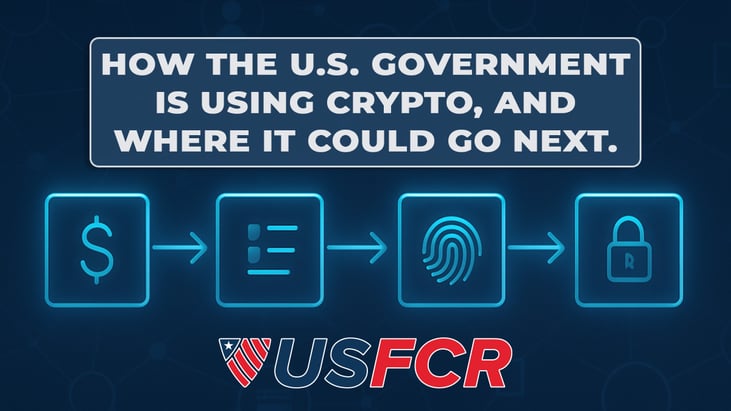
How federal agencies track crypto assets
The landscape of federal crypto surveillance has shifted from passive observation to active, granular tracing. Agencies no longer rely solely on blockchain explorers to see where funds move; they now leverage licensed commercial partners to connect on-chain activity with real-world identities. This transition is driven by the need to enforce sanctions, recover illicit funds, and monitor compliance across the digital asset ecosystem.
A cornerstone of this strategy is the partnership between the U.S. government and licensed blockchain analytics firms. Through agreements like the one with Coinbase, federal investigators can now access geo-tracking data and user information linked to wallet addresses. This licensing deal allows authorities to bridge the gap between anonymous blockchain transactions and verified account holders, turning public ledger data into actionable intelligence for law enforcement.
Beyond enforcement, the government is also building its own tracking infrastructure. The Treasury Department has tested grant distribution systems using blockchain to monitor drawdowns, enabling automatic reconciliation and immutable audit trails. Similarly, the Department of Homeland Security maintains a portfolio of Blockchain and Distributed Ledger Technologies (DLT) to explore applications across multiple sectors. These internal tools demonstrate a dual approach: using private sector data for enforcement while developing public sector capabilities for transparency and accountability.
Key tools for government crypto surveillance
Government agencies have moved beyond simple blockchain analysis to include precise identity mapping. The most significant shift involves licensing deals with major exchanges, allowing federal investigators to link on-chain transactions to real-world identities.
Coinbase Tracer and Geo-Tracking
A primary example is the partnership between the U.S. Department of Justice and Coinbase. Through this licensing agreement, investigators can access geo-tracking data alongside transaction history. This capability bridges the gap between anonymous wallet addresses and physical locations, making it harder for illicit actors to remain hidden.
The deal allows federal agents to see not just where funds moved, but where the accounts were accessed geographically. This level of detail transforms blockchain tracing from a theoretical exercise into a practical investigative tool. It highlights the growing cooperation between private sector compliance teams and law enforcement.

Traditional vs. Blockchain Surveillance
The capabilities of modern crypto surveillance tools differ markedly from traditional financial monitoring. While banks rely on internal records and subpoenaed data, blockchain tools offer real-time, public ledger access combined with private identity data.
| Feature | Traditional Finance | Crypto Surveillance |
|---|---|---|
| Data Source | Internal Bank Records | Public Ledger + Private KYC |
| Real-Time Tracking | Delayed (T+1 Settlement) | Near-Instant |
| Identity Link | Subpoena Required | Integrated via Licensing |
| Geolocation | IP Logs (Limited) | Geo-Tracking Data |
Regulatory frameworks shaping crypto oversight
The legal landscape for digital assets is shifting from fragmented state-level rules to a more unified federal and international approach. At the center of this shift is Executive Order 14178, which aims to strengthen American leadership in digital assets while establishing clear guardrails for compliance. This order directs federal agencies to provide access to blockchain networks for users and developers without forcing them to operate their own infrastructure, a move that simplifies compliance for smaller firms.
Globally, the regulatory picture is equally dynamic. The Atlantic Council’s Cryptocurrency Regulation Tracker provides a detailed map of how 75 economies are approaching oversight. These frameworks vary widely, from outright bans to comprehensive licensing regimes. For US-based firms, understanding these international distinctions is critical for cross-border operations.
Domestically, the US Crypto Policy Tracker by Crypto for Innovation offers a real-time view of legislative changes and agency reports. This resource helps legal teams stay ahead of pending bills and enforcement actions. The trend is clear: regulators are moving toward a model where transparency and identity verification are baked into the infrastructure itself, rather than applied as an afterthought.

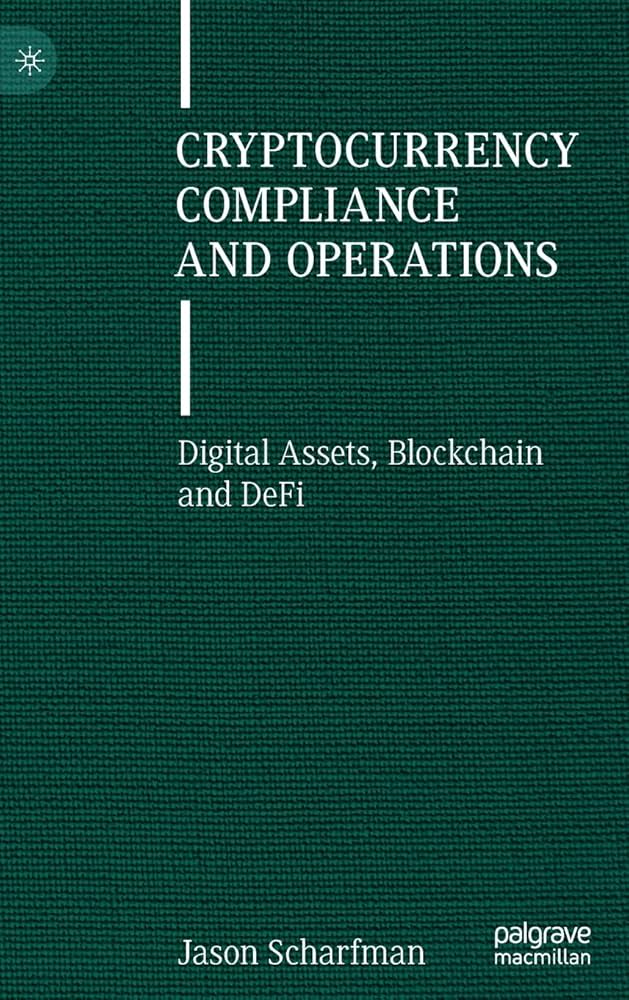

As an Amazon Associate, we may earn from qualifying purchases.
The interplay between federal directives and global trackers creates a complex but navigable environment. Firms that invest in understanding these frameworks early gain a significant advantage in building compliant, scalable infrastructure. The focus is no longer just on avoiding penalties but on leveraging regulatory clarity to build trust with institutional partners.
Market research implications for 2026
The shift from regulatory uncertainty to active government tracking infrastructure is fundamentally reshaping the crypto market. As agencies deploy advanced blockchain analytics and mandate stricter compliance, the landscape is moving from a frontier of anonymity to a regulated financial sector. This transition impacts investor behavior, forcing a choice between privacy-focused assets and compliant, institutional-grade options.
For businesses, the implications are immediate. Compliance is no longer optional; it is a barrier to entry. The Treasury’s grant systems and licensing deals with major exchanges like Coinbase signal that government tracking is not just about enforcement, but about integration. Companies that build robust reporting mechanisms into their infrastructure will find it easier to access traditional banking channels and attract institutional capital.
Investors are also adapting. The rise of government tracking reduces the appeal of unregulated, high-risk assets while boosting confidence in transparent, audited platforms. This is driving a bifurcation in the market: on one side, compliant tokens that align with government data requirements; on the other, niche privacy coins that face increasing scrutiny. The net effect is a market that is more stable but less anonymous.
No comments yet. Be the first to share your thoughts!