The 2026 reporting landscape
For years, cryptocurrency operated in a gray zone where anonymity was more myth than reality. While every Bitcoin transaction is permanently recorded on a public ledger, tracing those transfers back to real-world identities required sophisticated forensic tools and significant resources. That dynamic is shifting rapidly as government agencies move from reactive investigation to proactive surveillance.
The cornerstone of this new era is the 1099-DA reporting requirement, set to take full effect in 2026. Under this framework, the IRS will receive copies of every 1099-DA form issued by crypto brokers. This creates a comprehensive digital footprint of your trading activity, including gross proceeds from every sale or exchange, exact transaction dates, and the specific wallet addresses involved.
This shift transforms crypto from a potentially opaque asset class into a fully auditable one. Instead of relying on subpoenas or blockchain analysis after the fact, regulators will have direct, standardized access to transaction data at the source. The goal is clear: eliminate the friction of compliance and ensure that digital asset income is reported with the same rigor as traditional stock market gains.
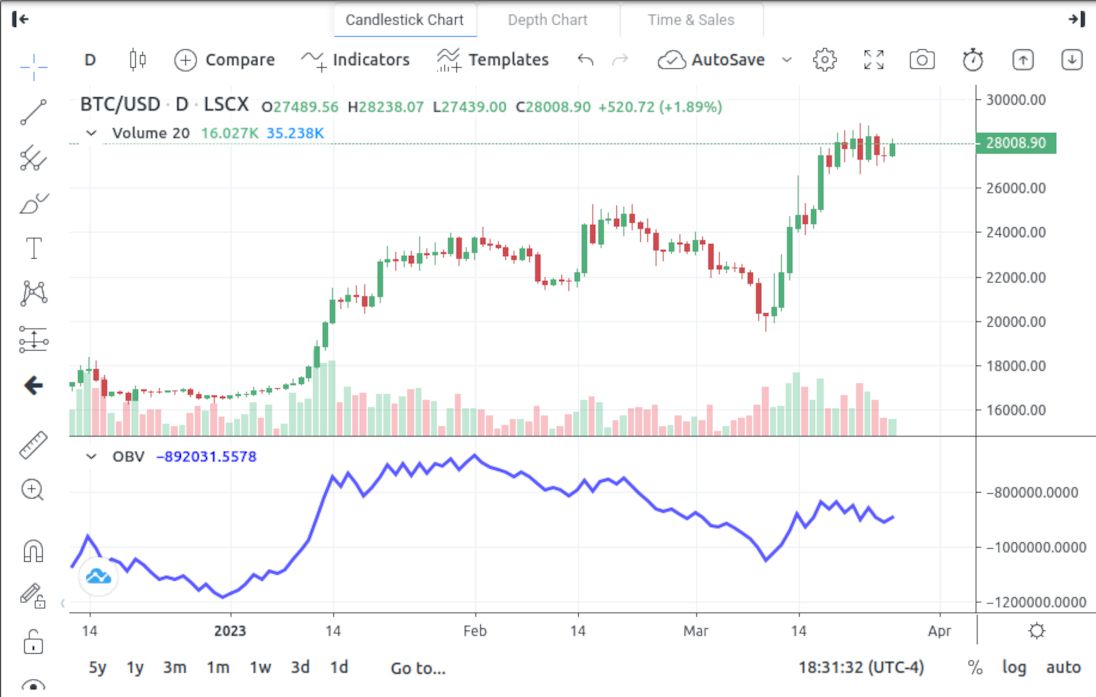
To understand the scale of assets under this new scrutiny, consider the current market behavior of Bitcoin, the most heavily tracked digital asset.
Private-sector tracking tools
Governments do not build blockchain ledgers; they license the private infrastructure that reads them. Agencies like the IRS and DHS rely on commercial analytics platforms to turn raw, pseudonymous transaction data into actionable intelligence. These tools act as the translation layer between the public blockchain and federal compliance requirements.
The market is dominated by specialized providers that combine on-chain data with artificial intelligence. Chainalysis, for example, provides the data backbone for many government investigations, helping agencies engage with crypto confidently while enforcing sanctions and tracking illicit flows. Without these private-sector tools, the sheer volume of daily transactions would remain opaque to law enforcement.

Choosing the right platform depends on the specific regulatory goal. The table below compares the core capabilities of the major providers currently licensed by federal agencies.
| Provider | Primary Focus | Gov Adoption | API/Integration |
|---|---|---|---|
| Chainalysis | Compliance & Investigations | Widespread (IRS, FBI) | Robust REST API |
| TRM Labs | AML & Risk Scoring | High (Treasury, EU) | Real-time feeds |
| Elliptic | Institutional AML | Moderate (Europol) | Enterprise suite |


As an Amazon Associate, we may earn from qualifying purchases.
These platforms do more than just flag addresses; they map the flow of funds across exchanges, mixers, and decentralized protocols. This capability is essential for enforcing sanctions, such as those recently imposed on Iranian crypto exchanges, and for ensuring that financial institutions do not inadvertently process illicit funds.
Federal Agencies Building Blockchain Infrastructure
While regulation often dominates the conversation, federal agencies are actively building the underlying blockchain infrastructure to improve transparency and grant tracking. This shift from passive oversight to active development is led primarily by the Department of Homeland Security (DHS) and the Treasury Department.
The DHS has established a dedicated blockchain portfolio to explore distributed ledger technologies (DLT) across multiple economic sectors. Rather than just monitoring transactions, they are testing these systems to enhance supply chain security and identity verification. This proactive approach ensures that government systems are ready to integrate with emerging crypto infrastructure rather than reacting to it after the fact DHS Blockchain Portfolio.
Simultaneously, the Treasury is exploring blockchain for public good initiatives. The goal is to create immutable records for federal spending and grants, reducing fraud and increasing public trust. By using a public ledger, all transactions can be tracked in real time, providing unprecedented visibility into how federal funds are utilized Brookings Institution.
This dual strategy of regulation and infrastructure development creates a more robust framework for "gov tracking crypto infrastructure." It signals that the government intends to own the rails, not just watch the traffic.
Tracking the Regulatory Shift
Market researchers don't wait for laws to pass; they monitor the drafting table. To understand how compliance will impact infrastructure, analysts rely on global regulatory tracking tools that aggregate legislative text and enforcement actions across jurisdictions.
The Atlantic Council’s Cryptocurrency Regulation Tracker is a primary resource for this work. It categorizes and explains how 75 economies are regulating digital assets, allowing teams to spot emerging trends before they become local mandates. By monitoring these trackers, firms can anticipate shifts in AML (Anti-Money Laundering) requirements and licensing frameworks.
Domestically, the focus is on bills like H.R. 3633, the Digital Asset Market Clarity Act. Tracking the text of such legislation provides insight into the Federal government's approach to market structure. Meanwhile, the IRS is moving from passive observation to active data integration, with new 1099-DA reporting requirements set to give them unprecedented visibility into broker transactions starting in 2026.
These tools are not just for legal teams. Infrastructure providers use this data to adjust their node configurations and compliance protocols in real time. The volatility of crypto prices often mirrors regulatory news, so keeping a live view of market movements helps contextualize the financial impact of these legal changes.
Compliance checklist for 2026
The 2026 regulatory landscape shifts from voluntary disclosure to mandatory, real-time reporting. With the IRS now receiving copies of every 1099-DA form issued by crypto brokers, the margin for error has vanished. Businesses must audit their infrastructure to ensure they can support this new level of granularity without disrupting user experience.
This workflow outlines the essential steps to align your operations with the new standards. Treat this not as a one-time fix, but as an ongoing operational requirement.
Verify that your systems capture all required fields for the 1099-DA: gross proceeds, transaction dates, and both sender and recipient wallet addresses. If your current stack lacks this level of detail, you must upgrade before the reporting cycle begins.

Static historical data is no longer sufficient. Deploy monitoring tools that can flag suspicious activity and generate compliance reports in real time. This ensures you can respond to inquiries from the IRS or other agencies immediately.
Your compliance team needs to understand the new 1099-DA requirements. Conduct training sessions that focus on the specific data points required and the penalties for non-compliance. Make sure every employee involved in customer support or engineering knows the stakes.
Before the official deadline, run a simulation of the reporting process. Submit test data to ensure your systems are formatted correctly and that there are no technical glitches. This step can save you from costly errors and audits later.
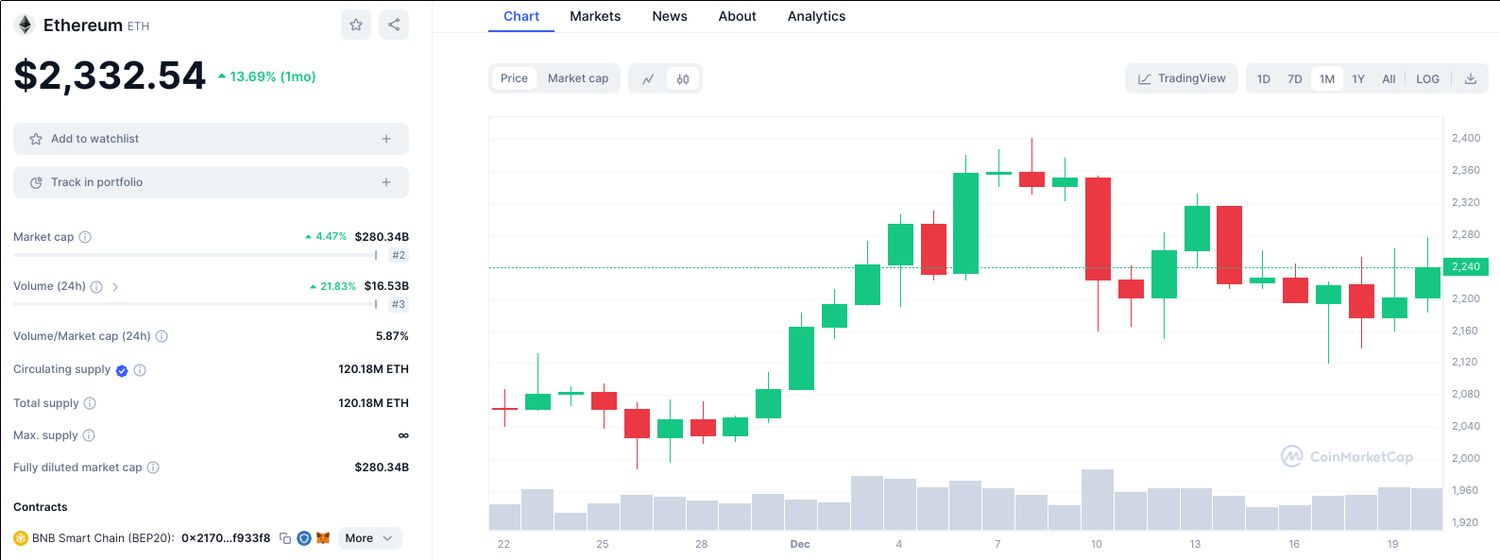
The market is already pricing in these changes. As seen in the chart above, compliance-focused firms are adjusting their strategies to meet these new demands. Staying ahead of the curve isn't just about avoiding fines; it's about building trust with a increasingly regulated market.
Common questions about government tracking
Can the government track your cryptocurrency?
Yes. Every Bitcoin transaction is permanently recorded on a public ledger, so any transfer can be traced from one address to the next. Unlike cash, which leaves no digital footprint, blockchain data is immutable and accessible to anyone with the right tools. Law enforcement agencies routinely use these public records to follow funds across exchanges and mixers.
How does the IRS track cryptocurrency?
Starting in 2026, the IRS will receive copies of every 1099-DA form issued by crypto brokers, giving them unprecedented visibility into your crypto trading activity. This includes gross proceeds from every crypto sale or exchange, transaction dates, and wallet addresses. Even if you transact peer-to-peer, large or suspicious transfers may still trigger scrutiny through existing anti-money laundering reporting requirements.
Is the US Treasury using blockchain for spending?
The Treasury has tested grant distribution systems using blockchain to track drawdowns, allowing for automatic reconciliation and audit trails. While Elon Musk has endorsed blockchain transparency for government spending, current adoption remains experimental. These pilots aim to reduce fraud by ensuring full visibility of funds, but widespread implementation across all federal agencies is still in development.
No comments yet. Be the first to share your thoughts!