How government tracks crypto assets
Blockchain technology is often misunderstood as a tool for total anonymity, but it is more accurately described as a public ledger. Unlike physical cash, which leaves no digital footprint when handed from one person to another, every cryptocurrency transaction is permanently recorded on a distributed database. This inherent transparency is the primary reason governments can surveil digital assets. When a transaction occurs, it is broadcast to the network, visible to anyone who knows how to look.
The mechanism relies on pseudonymity rather than true anonymity. Users are identified by long strings of alphanumeric characters called wallet addresses. While these addresses do not immediately reveal a name, they are persistent. If a user ever links their identity to a wallet address—by using a regulated exchange, paying taxes, or engaging in any off-ramp activity—governments can trace the entire history of that address. The Atlantic Council and other regulatory bodies emphasize that this "chain analysis" allows agencies to map the flow of funds across millions of addresses.
Law enforcement agencies, including the FBI and the Department of the Treasury, use specialized blockchain analysis software to follow these digital trails. These tools cluster addresses together to identify entities, flagging suspicious patterns such as rapid movement of funds or interactions with known darknet markets. By correlating on-chain data with off-chain information, regulators can pinpoint the individuals behind the wallets. This capability transforms the blockchain from a shield of privacy into a powerful tool for financial accountability.
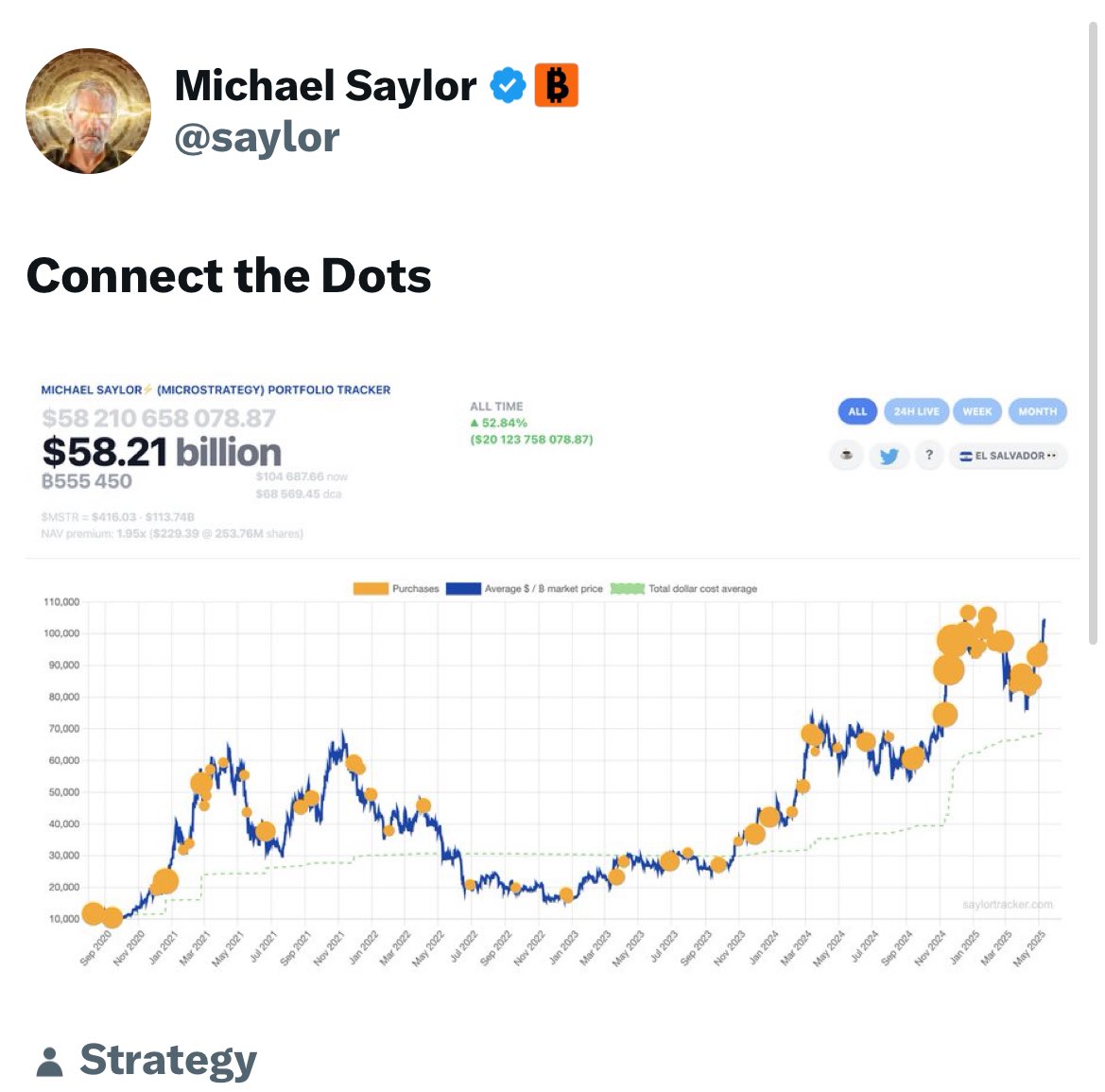
To understand the scale of this activity, it helps to look at the market dynamics driving these transactions. The volatility and volume of major assets like Bitcoin and Ethereum provide the liquidity that makes tracking both complex and necessary for regulatory oversight.
Essential infrastructure tools for compliance
Institutions don't rely on intuition when monitoring blockchain activity; they use specialized software designed to map the invisible flow of digital assets. These tools serve as the backbone of compliance, turning raw, pseudonymous transaction data into actionable intelligence that satisfies regulatory requirements. For agencies and legal teams, the difference between a successful audit and a compliance failure often lies in the sophistication of the tracking infrastructure.
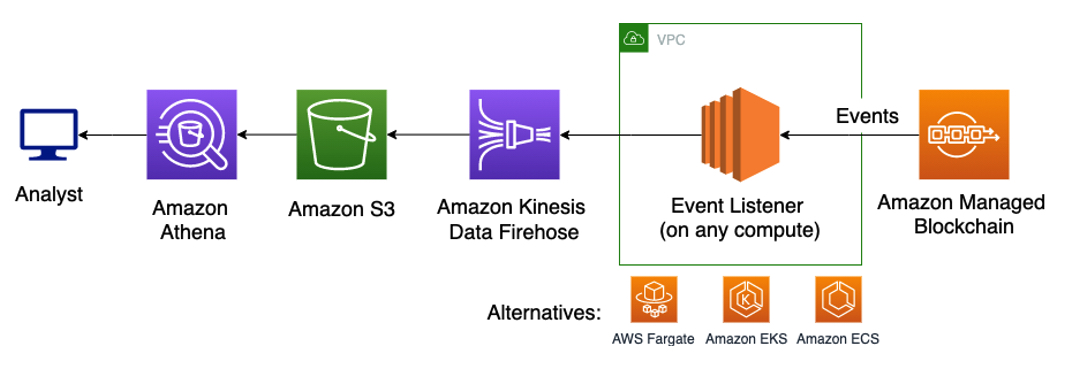
At the core of this infrastructure are blockchain analytics platforms like Chainalysis, Elliptic, and TRM Labs. These services aggregate data from thousands of nodes to label addresses, trace fund movements, and identify high-risk entities. They function similarly to a financial investigative agency, providing a clear view of where funds originate and where they settle. This level of granularity is essential for identifying money laundering patterns, sanction violations, and illicit trade financing.
The following tools represent the standard infrastructure for government and institutional compliance teams.
As an Amazon Associate, we may earn from qualifying purchases.
Chainalysis
Chainalysis is widely regarded as the industry standard for government agencies and financial institutions. Its Reactor tool allows analysts to visualize complex transaction networks, making it easier to identify connections between wallets and known illicit services. The platform is frequently cited in law enforcement operations for its ability to provide evidence that holds up in court.
Elliptic
Elliptic specializes in protecting financial institutions from cryptocurrency crime. Its platform integrates directly with banking systems to screen transactions in real-time. By leveraging AI and machine learning, Elliptic can detect subtle patterns of suspicious activity that rule-based systems might miss, providing a robust layer of defense against financial crime.
TRM Labs
TRM Labs focuses on providing a comprehensive view of digital asset flows. Its platform offers deep visibility into the crypto economy, allowing users to track assets across multiple blockchains. TRM is particularly valued for its ability to handle complex DeFi transactions and provide detailed risk scores for counterparties.
| Feature | Chainalysis | Elliptic | TRM Labs |
|---|---|---|---|
| Primary Use Case | Law Enforcement & Government | Banking & Financial Institutions | Comprehensive Asset Tracking |
| Key Strength | Visual Network Analysis | AI-Driven Risk Detection | Multi-Chain DeFi Visibility |
| Regulatory Focus | High (FBI, IRS, DOJ) | High (Global Banks) | High (Institutional Clients) |
The effectiveness of these tools is often measured by their ability to provide real-time data. While static charts can show historical trends, live monitoring is critical for preventing illicit flows. The following widget provides live market data for Bitcoin, which is often the primary asset tracked in these compliance scenarios.
For deeper technical analysis of price movements and market sentiment, which can correlate with illicit activity spikes, a technical chart is often employed.
Compliance is not just about technology; it is about understanding the regulatory landscape. Resources like the US Crypto Policy Tracker and the Atlantic Council's Cryptocurrency Regulation Tracker provide essential context for how these tools are applied in different jurisdictions. Understanding the legal framework is as important as having the right software.
Interpreting Regulatory News as Market Signals
Regulatory headlines often move markets faster than earnings reports. When the SEC Crypto Task Force releases guidance or when major legislation like the Genius Act moves forward, the immediate price reaction is rarely random. It is a direct reflection of how institutional capital interprets the new constraints. To track this effectively, you must connect the legal text to the trading data in real time.
Official sources provide the raw signal, but live charts reveal the market's emotional response. The SEC’s Crypto Task Force aims to clarify how federal securities laws apply to digital assets, creating a framework that traders can parse for compliance risks. Similarly, the passage of the Genius Act represents a structural shift in how stablecoins and payment rails are regulated. These are not abstract legal concepts; they are binary events that trigger immediate buy or sell orders across global exchanges.
To visualize this dynamic, we can compare how different regions approach these regulatory pressures. The United States often prioritizes investor protection through enforcement, while the EU’s MiCA framework offers a more prescriptive, rule-based approach. Asian jurisdictions vary widely, from outright bans to state-backed digital currencies. Understanding these differences helps you predict which markets will react most violently to specific news events.
Jurisdictional Regulatory Approaches
| Region | Primary Framework | Key Focus Area | Market Impact Profile |
|---|---|---|---|
| United States | Securities Laws / Task Force | Investor protection & enforcement | High volatility on enforcement news |
| European Union | MiCA (Markets in Crypto-Assets) | Prescriptive compliance & stability | Moderate, structured price adjustments |
| Asia (Mixed) | Varies (Bans to CBDCs) | Capital control & state sovereignty | Sharp, localized rallies or crashes |
Tracking these shifts requires more than reading press releases. You need to see how Bitcoin and other major assets behave when these regulatory milestones hit. The following chart illustrates BTC/USD price action, allowing you to correlate specific regulatory announcement dates with market movements. This live data helps you distinguish between noise and genuine structural shifts in the crypto landscape.
Tracking real-time crypto market data
Government tracking policies don't just affect compliance; they ripple through liquidity and price discovery. When regulators signal scrutiny, markets react instantly. To navigate this, you need data feeds that reflect current sentiment, not lagging indicators. Relying on stale prices from a static blog post is like driving with the rearview mirror.
For a clear view of how Bitcoin and Ethereum are moving in response to regulatory news, live provider-backed widgets are essential. They strip away the noise of historical averages and show you exactly where the market stands right now. This is especially critical when analyzing the impact of new SEC guidelines or international tracking mandates.
These live feeds allow you to correlate price movements with specific regulatory announcements. Instead of guessing whether a dip is caused by macroeconomic factors or a specific government tracking report, you can see the immediate market reaction. This real-time visibility is your best tool for understanding the tangible effects of government oversight on the crypto landscape.
Checklist for regulatory due diligence
Assessing your exposure to government tracking requires more than just holding privacy coins. You need a systematic review of how your assets move through regulated on-ramps and off-ramps. The Securities and Exchange Commission (SEC) and global trackers like the Atlantic Council’s Cryptocurrency Regulation Tracker provide the framework for understanding where your funds are most visible. Use this workflow to audit your current setup before making significant moves.
Most tracking begins at the fiat on-ramp. Check if your primary exchanges have filed suspicious activity reports (SARs) or requested additional identity verification. If you used a centralized exchange, your identity is already linked to those transaction hashes. Review your account history for any "enhanced due diligence" flags.
Use public block explorers like Etherscan or Blockchain.com to review your wallet’s full history. Even if you move funds to a new address, the entire chain is immutable. Look for interactions with known mixing services or high-risk addresses, as these often trigger alerts from blockchain analysis firms like Chainalysis, which many governments contract.
Interacting with DeFi protocols or NFT marketplaces can expose your wallet to further scrutiny. Review your transaction logs for approvals to known centralized finance (CeFi) platforms. If you’ve used a wallet that syncs with cloud backups or browser extensions, ensure those backups are encrypted and not stored on servers that could be subpoenaed.
| Feature | Centralized Exchange | Non-Custodial Wallet |
|---|---|---|
| Identity Linkage | High (KYC required) | None (unless linked) |
| Transaction Visibility | Internal records + Chain | Public chain only |
| Regulatory Reporting | SARs/1099s filed | User responsibility |
For a live view of market conditions that may influence regulatory focus, monitor the primary asset class. The SEC’s Crypto Task Force continues to refine how these tools are applied, so staying informed on official policy updates is essential for long-term compliance. Always prioritize official sources like the SEC or Atlantic Council for the most accurate legal interpretations.
No comments yet. Be the first to share your thoughts!