Real-time IRS visibility shifts
The days of treating cryptocurrency as an anonymous ledger are over. The IRS and allied agencies have moved from periodic, reactive audits to continuous, real-time monitoring of blockchain transactions. This shift represents a fundamental change in how digital assets are regulated, transforming crypto from a fringe experiment into a fully tracked component of the formal economy.
This new reality is driven by advanced blockchain analytics tools. These systems don't just look at wallet addresses; they map flows of funds across exchanges, mixers, and private wallets, linking on-chain activity to verified identities. Legal experts note that this capability gives the agency visibility into asset movements that once seemed untraceable, raising significant questions about compliance and transparency for all investors.
The infrastructure supporting this surveillance is robust. Agencies like FinCEN work in tandem with the IRS, leveraging data from centralized exchanges and third-party reporting platforms. The result is a comprehensive view of crypto activity that extends far beyond simple buy-and-sell transactions. For anyone holding or trading digital assets, this means every transaction is potentially visible to regulators as it happens.
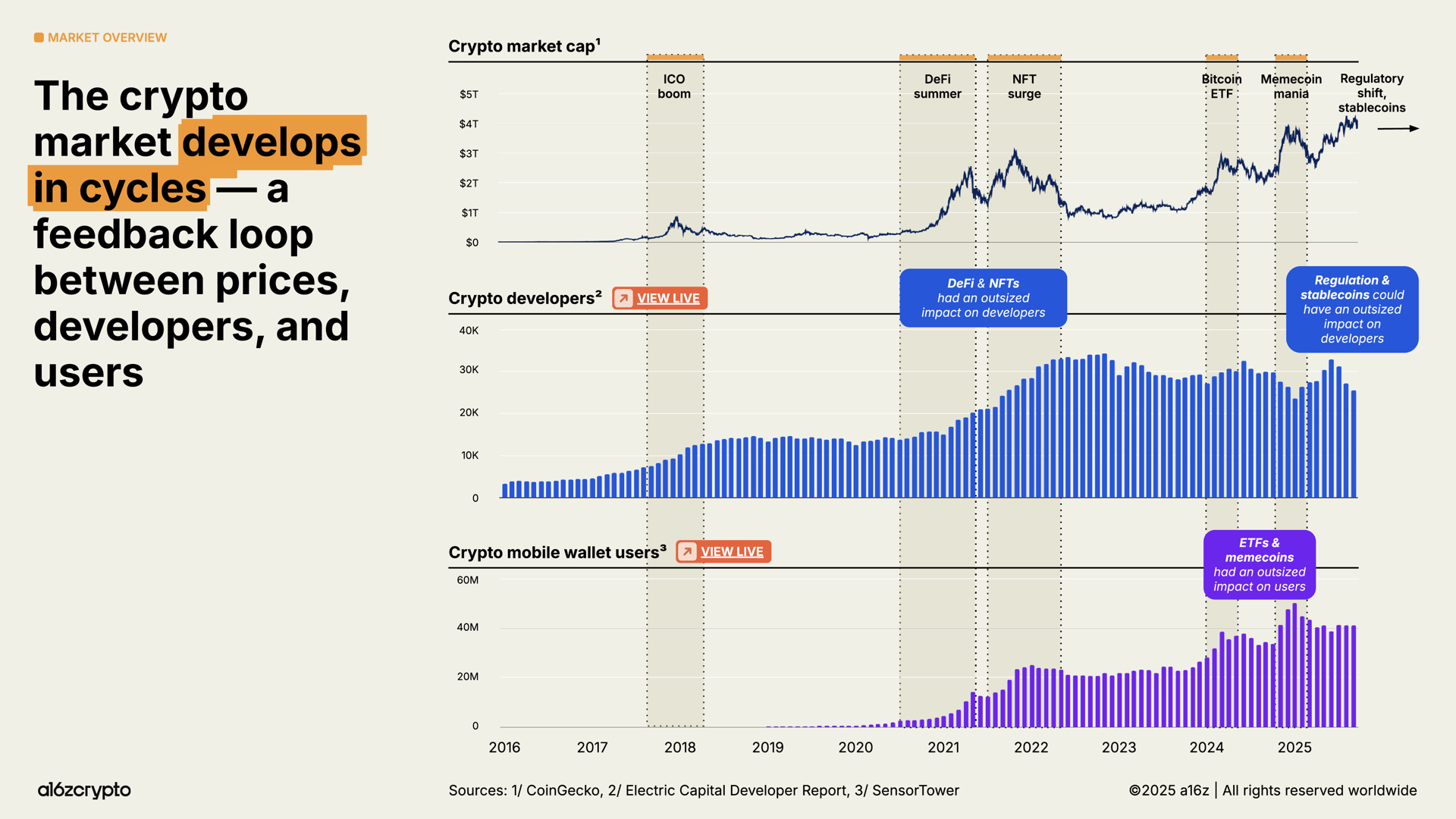
To understand the scale of this shift, it helps to look at the market itself. The sheer volume of transactions being monitored underscores the necessity of compliance. The following chart illustrates the current market landscape, reflecting the environment in which these real-time tracking tools operate.
Infrastructure tools for compliance
Government tracking of cryptocurrency relies on specialized blockchain analytics providers that act as the bridge between opaque ledgers and regulatory enforcement. These tools parse on-chain data to identify wallets, trace transaction flows, and flag suspicious activity patterns that would otherwise remain hidden. For agencies like the IRS and FinCEN, this infrastructure is not optional; it is the primary mechanism for enforcing anti-money laundering (AML) laws and tax compliance.
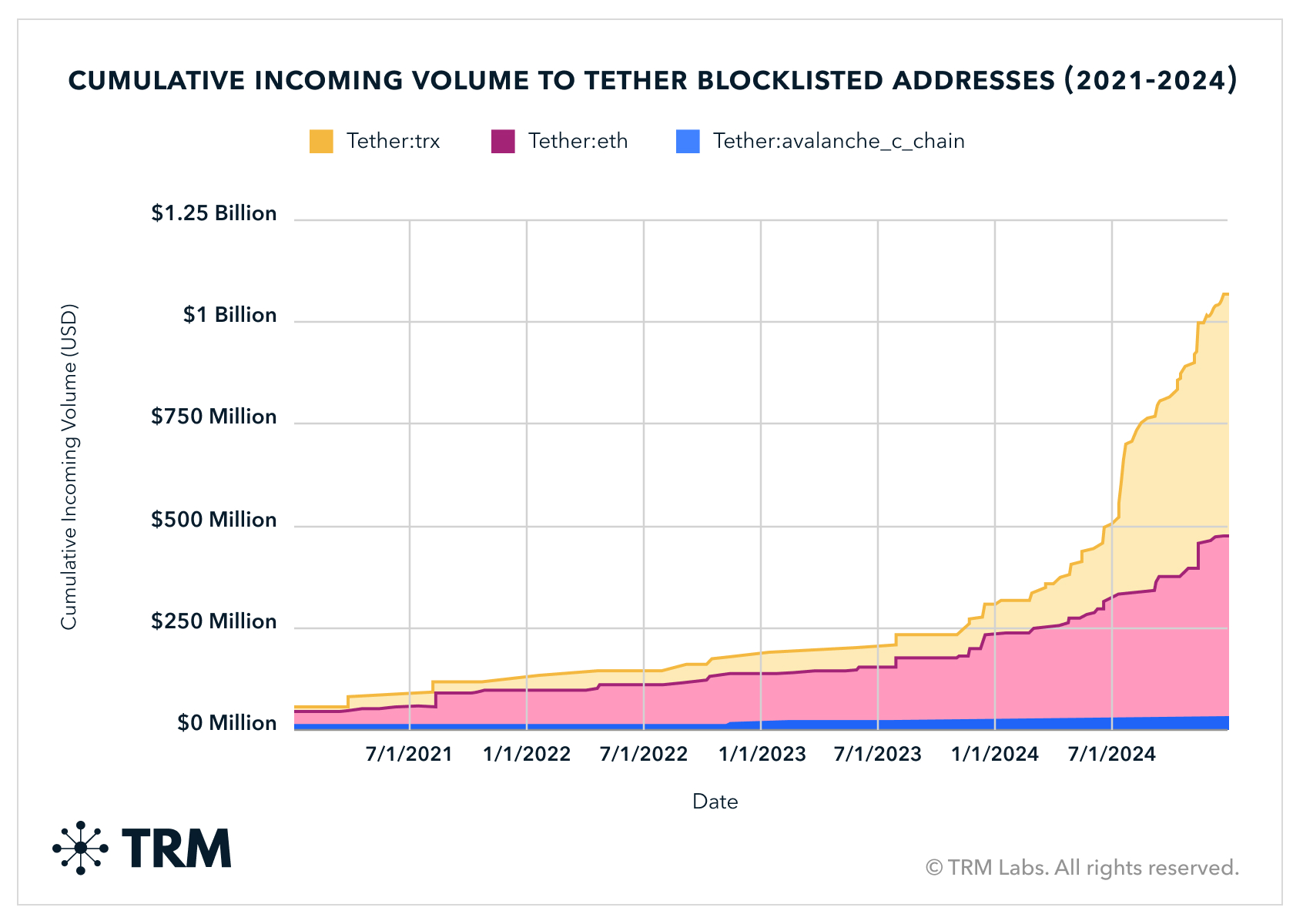
The market is dominated by firms such as Chainalysis, Elliptic, and TRM Labs, which provide the software layers that allow investigators to visualize complex transaction networks. These platforms integrate directly with law enforcement databases and exchange reporting systems, enabling real-time monitoring of digital asset movements. When a wallet associated with illicit activity is flagged, the analytics provider supplies the evidentiary trail needed for prosecution.
For businesses, compliance is equally dependent on these same tools. Exchanges and financial institutions use the same analytics software to screen users and transactions before processing them. This creates a standardized infrastructure where the tools used by governments to track illicit flows are the identical tools used by compliant businesses to prevent them. The result is a unified monitoring ecosystem where transparency is enforced through shared technology.
| Provider | Primary Focus | Typical User |
|---|---|---|
| Chainalysis | Comprehensive blockchain intelligence | Government & Large Exchanges |
| Elliptic | Institutional compliance & risk | Banks & Financial Institutions |
| TRM Labs | Fraud detection & AML | Enterprises & Payment Processors |
Market research data sources
Tracking infrastructure shifts requires moving beyond surface-level price charts. To understand the real scale of crypto operations, you need to correlate on-chain activity with physical energy consumption and regulatory filings. This data reveals where mining fleets are relocating and how they are adapting to local grid constraints.
Energy consumption metrics
The U.S. Energy Information Administration (EIA) provides critical data on electricity usage by end-use customers. Tracking cryptocurrency mining energy use is challenging because mining activity is often hidden among millions of other users, and assets move rapidly to areas with cheaper power [src-serp-2]. By analyzing regional energy reports, you can identify spikes in industrial consumption that correlate with new mining facility openings.
Volume and regulatory analysis
Official sources like the IRS and FinCEN offer insights into the legal and financial footprint of these operations. Volume analysis helps distinguish between legitimate market activity and potential money laundering schemes. Cross-referencing transaction volumes with energy data creates a more complete picture of infrastructure health and compliance status.
Strategic compliance checklist
Government tracking of crypto transactions has shifted from retrospective audits to real-time visibility. The IRS now receives detailed transaction reports from major exchanges, meaning your on-chain activity is increasingly transparent to regulators. Preparing for this environment requires a disciplined approach to record-keeping and tool selection.
To navigate this landscape effectively, follow this structured checklist to ensure your records are audit-ready and your tools are compliant.
Export full CSV records from every exchange and wallet you have used. Include dates, transaction hashes, amounts, and fiat values at the time of transfer. Do not rely on summary totals; regulators can request granular data. Use official exchange portals to ensure accuracy.
Separate transactions into distinct categories such as sales, trades, staking rewards, airdrops, and DeFi interactions. Each event may have different tax implications. Use software that maps blockchain addresses to known entities (e.g., exchanges, mixers) to help classify these flows correctly.

Ensure your tracking software generates reports that match IRS Form 8949 requirements. Look for tools that explicitly state compliance with current reporting standards. Avoid generic spreadsheets unless you are manually calculating cost basis and gains for every single transaction.
Record any peer-to-peer transactions, OTC trades, or transfers between your own wallets. These are often overlooked but are still taxable events or reportable transfers. Keep screenshots of trade confirmations and wallet addresses involved for future reference.
Save your digital records in multiple secure locations, such as encrypted cloud storage and local drives. Physical copies of large transactions or legal correspondence should be stored in a fireproof safe. Retain these records for at least seven years to cover the statute of limitations.
By following these steps, you transform chaotic blockchain data into a clear, defensible audit trail. This preparation reduces stress during any potential inquiry and ensures you remain compliant with evolving regulations.
Helpful gear
Use these product recommendations as a starting point, then choose the size, material, and price point that fit how you actually use the gear.


![The Crypto Millionaire Bible: [5 in 1] How to Easily Make Life-Changing Money in The Next Big 2025-2026 Bull Run with Smart Investing and Trading Any Cryptocurrency (Altcoins, Meme, NFT, Airdrops)](https://m.media-amazon.com/images/I/61K1jz+cWtL._AC_UL960_QL65_.jpg)
As an Amazon Associate, we may earn from qualifying purchases.
No comments yet. Be the first to share your thoughts!