How governments track crypto assets
The idea that cryptocurrency offers total anonymity is largely a myth. While blockchain addresses don’t reveal names directly, the ledger itself is a permanent, public record of every transaction. Governments and law enforcement agencies use specialized tools to bridge the gap between these digital addresses and real-world identities, turning opaque code into traceable financial data.
Blockchain Analysis
The primary mechanism for tracking crypto is blockchain analysis. Unlike traditional banking, where privacy laws often shield customer data from casual scrutiny, blockchain data is immutable and visible to anyone. Regulatory bodies, including the IRS and GOV.UK, have partnered with or utilize specialized blockchain analysis firms. These firms employ heuristics and clustering algorithms to group multiple addresses together, identifying them as belonging to a single entity. When these firms detect suspicious activity—such as interactions with known darknet markets or mixing services—they flag the addresses for further investigation.
This process allows authorities to follow the flow of funds across the blockchain, even if the assets are moved through several wallets. For example, if a user sends Bitcoin to an exchange, the transaction is linked to that exchange’s deposit address. The exchange then holds the identity of the user who initiated the transfer. This creates a clear audit trail that law enforcement can subpoena and follow.
Exchange Reporting and KYC
Blockchain analysis is only half the picture. The other half lies in centralized exchanges and the regulatory frameworks they operate under. Most major jurisdictions now require Know Your Customer (KYC) and Anti-Money Laundering (AML) compliance for crypto exchanges. This means that to buy, sell, or trade crypto on platforms like Coinbase or Binance, users must provide government-issued identification and proof of address.
These exchanges act as regulated gatekeepers. They are legally obligated to report suspicious activities and, in many cases, share user data with tax authorities and law enforcement upon request. For instance, Coinbase has been reported to provide geo-tracking data and user information to government agencies when presented with valid legal requests. This integration of traditional financial compliance into the crypto ecosystem means that off-ramps—the points where crypto is converted back into fiat currency—are often the most vulnerable points for anonymity.
The Role of Regulatory Bodies
Governments are not just reacting to these technologies; they are actively shaping the landscape. The IRS in the United States has issued clear guidance stating that virtual currency is property for tax purposes, making capital gains taxes applicable to crypto transactions. Similarly, the Financial Action Task Force (FATF) has established global standards for virtual asset service providers, urging countries to implement the "travel rule" for cross-border transfers.
This regulatory pressure ensures that more platforms are forced to adopt stricter tracking measures. As the industry matures, the ability of governments to track crypto assets will only become more sophisticated, relying on a combination of on-chain data analysis and off-chain identity verification.
IRS reporting changes in 2026
The landscape of cryptocurrency taxation is shifting from a self-reporting model to one of mandatory, granular disclosure. For 2025 and 2026 tax years, the Internal Revenue Service (IRS) is implementing Form 1099-DA, a new reporting requirement that fundamentally changes how digital asset transactions are tracked and verified.
Previously, taxpayers relied on their own records to report crypto trades, gifts, and sales. While the IRS has long required this, enforcement was largely reactive. The introduction of Form 1099-DA marks a structural change. It requires digital asset brokers—including centralized exchanges and certain decentralized platform operators—to report specific transaction details directly to the IRS and the taxpayer. This creates a third-party verification layer that makes unreported gains significantly harder to conceal.
The scope of Form 1099-DA is broad. It covers sales, exchanges, and transfers of digital assets where the broker acts as an intermediary. This includes common activities like selling Bitcoin for fiat currency, trading Ethereum for stablecoins, or receiving crypto as payment for services if processed through a covered platform. The form requires detailed information: the date of the transaction, the type of digital asset, the quantity, and the fair market value at the time of the transaction.
For market researchers and investors, this shift means that "off-the-books" crypto activity is rapidly becoming a relic of the past. The IRS has also been increasing its use of blockchain analytics tools to cross-reference reported data with on-chain activity. If your Form 1099-DA does not match your tax return, the discrepancy will likely trigger an automated notice.
How jurisdictions mandate data collection
Governments are moving past vague warnings and into granular infrastructure mandates. The core requirement is no longer just reporting profits; it is the real-time or near-real-time capture of user identity and transaction metadata. This shift forces crypto service providers to build compliance engines that mirror traditional financial institutions.
The United States relies on a fragmented but aggressive framework. The IRS and FinCEN require exchanges to collect and report specific data points, including the value, type of cryptoasset, and number of units for each transaction. Failure to implement these internal controls can result in significant penalties, pushing platforms to adopt automated data pipelines that flag suspicious activity before it leaves the server. For a detailed view of current legislative developments, the Latham & Watkins US Crypto Policy Tracker provides an up-to-date map of these evolving mandates.
The United Kingdom has taken a more centralized approach under the Financial Conduct Authority (FCA). GOV.UK guidance explicitly outlines the data fields firms must collect for every transaction: value, asset type, transaction type, and unit count. This standardized list simplifies compliance for UK-based entities but requires strict adherence to the defined schema. The FCA treats cryptoasset businesses similarly to traditional money service businesses, demanding robust anti-money laundering (AML) checks at the point of data entry.
Globally, the Atlantic Council’s Cryptocurrency Regulation Tracker highlights that 75 economies are now implementing specific data collection rules. While the US and UK focus on transaction-level granularity, other jurisdictions are beginning to mandate broader user profiling. This divergence creates a complex landscape for global exchanges, which must often maintain separate data collection infrastructures to satisfy local regulators.
| Jurisdiction | Primary Agency | Data Scope | Reporting Frequency |
|---|---|---|---|
| United States | IRS / FinCEN | Transaction value, asset type, units, user identity | Annual (Form 8949) / Suspicious Activity Reports |
| United Kingdom | Financial Conduct Authority (FCA) | Value, asset type, transaction type, unit count, user ID | Real-time / Ongoing monitoring |
| European Union | Various (MiCA implementation) | Expanded user profiling, travel rule data | Varies by member state |
Tools for compliance and research
Navigating the intersection of blockchain technology and government oversight requires more than just awareness; it demands specific, reliable tools. Institutions and individual researchers rely on a combination of blockchain analytics platforms and specialized compliance software to track transactions, verify identities, and meet reporting standards. These tools transform the opaque nature of crypto markets into auditable data streams.
For tracking specific wallet activities, blockchain analytics firms provide the necessary visibility. Services like Chainalysis and Elliptic are widely adopted by financial institutions to monitor illicit flows and ensure adherence to Anti-Money Laundering (AML) regulations. These platforms offer detailed transaction graphs that help compliance officers understand the provenance of funds, a critical step when interacting with government entities or facing audits.
On the software side, compliance platforms automate the heavy lifting of regulatory reporting. Solutions such as Coinspect and TRM Labs integrate directly with exchange APIs to flag suspicious activities in real time. This automation is essential for high-volume traders and institutions that must file reports like IRS Form 8949 or comply with GOV.UK’s Money Laundering Regulations. By automating data collection, these tools reduce the risk of human error in complex reporting scenarios.
The landscape is also shifting as major exchanges themselves become part of the compliance infrastructure. Coinbase, for instance, has begun providing geo-tracking data directly to government authorities, blurring the line between private service provider and regulatory arm. This trend suggests that future compliance tools will increasingly rely on direct data feeds from centralized exchanges rather than just on-chain analysis.
For those monitoring the broader market context while managing compliance risks, keeping an eye on major asset performance can provide context for regulatory impact.
Checklist for staying compliant
Staying ahead of government tracking requires a systematic approach. Use this step-by-step checklist to ensure your market research activities meet current reporting obligations.
Start by determining which regulatory bodies apply to your operations. In the U.S., the IRS requires reporting of digital asset transactions, including cryptocurrency and NFTs, on tax returns (IRS, Digital Assets). In the UK, GOV.UK mandates the collection of specific user and transaction data for cryptoassets.
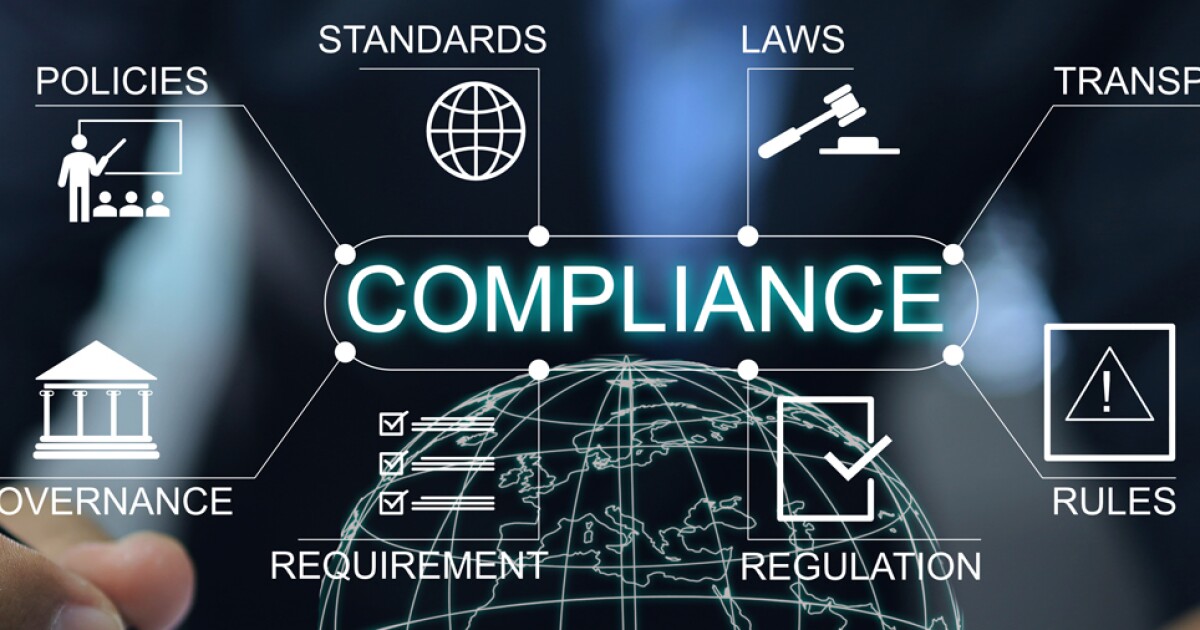
For every transaction, record the value, type of cryptoasset, transaction type, and number of units. This data is essential for accurate reporting and audits. Keep records accessible and organized to facilitate quick retrieval when requested by authorities.
Use specialized software to monitor and log all crypto transactions automatically. This reduces human error and ensures that no transaction falls through the cracks. Choose tools that integrate with major exchanges and wallets to provide a comprehensive view of your assets.
Schedule quarterly audits to verify the accuracy of your records. Compare your internal logs against exchange statements and blockchain explorers. This proactive step helps identify discrepancies early, allowing you to correct them before they become compliance issues.
Regulatory landscapes change frequently. Subscribe to official newsletters from the IRS, GOV.UK, and other relevant bodies. Attend industry webinars and read updates from legal experts to ensure your compliance practices remain current and effective.
By following this checklist, you can minimize risk and ensure your market research activities are fully compliant with current government tracking requirements.
No comments yet. Be the first to share your thoughts!