The 2026 regulatory shift
The landscape of cryptocurrency enforcement is undergoing a fundamental transformation in 2026. For years, the sector operated under a shadow of ambiguity, where the IRS relied heavily on third-party tips and blockchain forensics to identify non-compliance. That era is ending. The implementation of Form 1099-DA marks a decisive pivot from voluntary disclosure to mandatory, broker-level reporting, effectively ending the anonymity that many traders once assumed was inherent to digital assets.
Under the new rules, crypto brokers are now required to report gross proceeds from every sale or exchange, along with transaction dates and wallet addresses. Starting in 2026, the IRS receives copies of these forms, creating a comprehensive ledger of trading activity that previously did not exist in a centralized, easily auditable format. The government no longer needs to guess where your assets are; the data is being pushed directly to their systems.
This shift has significant implications for how the government tracks cryptocurrency. As noted in recent Treasury statements, the visibility into crypto market developments is becoming unprecedented. Every transaction, whether it involves a major exchange or a smaller platform classified as a broker, contributes to a detailed financial profile. The era of "off-the-grid" trading is over, replaced by a system where every trade leaves a permanent, reportable mark.
The enforcement mechanism is straightforward: if you trade through a regulated broker, your activity is reported. This aligns with the broader regulatory push to bring digital assets into the traditional tax framework. As legal experts at Latham & Watkins have highlighted, the US crypto policy tracker reflects a clear trajectory toward stricter compliance. The government’s ability to track cryptocurrency is no longer theoretical; it is a structural reality of the 2026 tax code.
How agencies trace blockchain data
Government enforcement has shifted from chasing anonymous ledgers to mapping identities. Agencies no longer rely solely on the blockchain itself; they combine on-chain analysis with off-chain identity data to pierce the veil of pseudonymity. This dual approach allows law enforcement to link specific wallet addresses to real-world individuals with increasing precision.
The public ledger and address clustering
Every transaction on a public blockchain like Bitcoin is permanent and visible. While addresses do not contain names, they create a transparent record of fund movement. Analysts use clustering techniques to group addresses that likely belong to the same entity. For example, if multiple addresses are used as inputs in a single transaction, they are almost certainly controlled by one user.
Chainalysis and similar firms maintain massive databases of these patterns. They track "mixers" and "tumblers" designed to obscure trails, but their algorithms can often detect the entry and exit points of these services. By analyzing transaction timing, amounts, and counterparty interactions, investigators can reconstruct the flow of funds across the network.
The KYC bridge: Linking code to identity
The true power of government tracking lies in the KYC (Know Your Customer) bridge. When users interact with regulated exchanges or custodians, they provide identity verification. This creates a known link between a real-world identity and a blockchain address.
Starting in 2026, the IRS will receive copies of these forms from crypto brokers. This gives regulators unprecedented visibility into trading activity, including gross proceeds, transaction dates, and wallet addresses. Even if a user moves funds to a private wallet, the initial deposit from a KYC-compliant exchange provides the starting point for any investigation.
On-chain analytics in practice
Investigations typically begin with a known address linked to a suspect or a crime. Analysts then trace the funds through the blockchain, following the trail to other addresses. They look for interactions with other known entities, such as sanctioned addresses, darknet markets, or other exchange wallets.
The goal is to find a "choke point"—a point where the funds must pass through a regulated entity. Once funds hit a KYC-compliant exchange, the user's identity is exposed. This method has been used to recover billions in stolen funds and identify perpetrators of major cybercrimes.
Key tools for government analysis
Law enforcement agencies and financial regulators rely on specialized software to map illicit flows, identify bad actors, and enforce compliance. While the blockchain is public, the data is unstructured. Three platforms dominate the current enforcement landscape: Arkham, Chainalysis, and Coinbase Tracer. Each serves a distinct function, from real-time entity tagging to deep forensic investigation and exchange-level geo-tracking.
Arkham: Real-time Entity Intelligence
Arkham operates as a visual intelligence platform focused on real-time transparency. Its primary strength lies in its ability to tag known entities—such as the U.S. Government, major exchanges, and sanctioned addresses—directly on the blockchain explorer. This allows analysts to track inflows and outflows to specific wallets without manual address clustering.
The platform is particularly effective for high-profile asset tracking. For instance, Arkham provides public dashboards for the U.S. Government’s cryptocurrency holdings, allowing regulators and the public to monitor seized assets in real time. It is less about deep historical forensics and more about immediate visibility into who holds what and where funds are moving.
Chainalysis: The Forensic Standard
Chainalysis remains the industry standard for comprehensive blockchain data and AI-driven analytics. It is widely adopted by federal agencies, including the IRS and the Department of Justice, for its robust risk-scoring models and compliance tools. The platform combines on-chain data with off-chain intelligence to provide a holistic view of crypto activity.
Its utility extends beyond tracking; it helps agencies engage confidently with the crypto ecosystem by identifying illicit services, money laundering patterns, and sanctions violations. Chainalysis is often the first tool deployed in complex investigations requiring deep historical analysis and regulatory reporting.
Coinbase Tracer: Exchange-Level Geo-Tracking
Coinbase Tracer offers a different angle by leveraging Coinbase’s vast internal data. Unlike Arkham and Chainalysis, which rely primarily on on-chain analysis, Coinbase Tracer integrates geo-tracking data and exchange-level information. This allows law enforcement to link blockchain addresses to specific geographic locations and user identities more directly.
This tool is particularly valuable for investigations requiring precise location data or when dealing with entities that operate within regulated exchanges. By providing geo-tracking capabilities, it fills a gap that pure on-chain tools cannot address, offering a bridge between digital assets and physical identity.
Comparison of Enforcement Tools
The following table compares the primary features, data sources, and use cases for these three platforms. Understanding these differences helps agencies select the right tool for specific investigative needs.
How enforcement changes market behavior
The introduction of granular tracking capabilities does more than just catch bad actors; it fundamentally alters the liquidity landscape. As the IRS and Treasury tighten visibility into wallet-to-wallet movements, the "privacy premium" that once inflated the value of privacy coins and mixers is evaporating. Traders who previously relied on obfuscation tools are migrating to compliant, regulated exchanges, concentrating volume in venues that can produce audit trails.
This shift creates a bifurcated market. On one side, regulated platforms see increased institutional inflow due to reduced legal risk. On the other, unregulated or "gray" markets face higher friction costs. The result is a temporary dip in overall liquidity as capital adjusts to the new compliance overhead, followed by a stabilization at higher price floors for compliant assets.
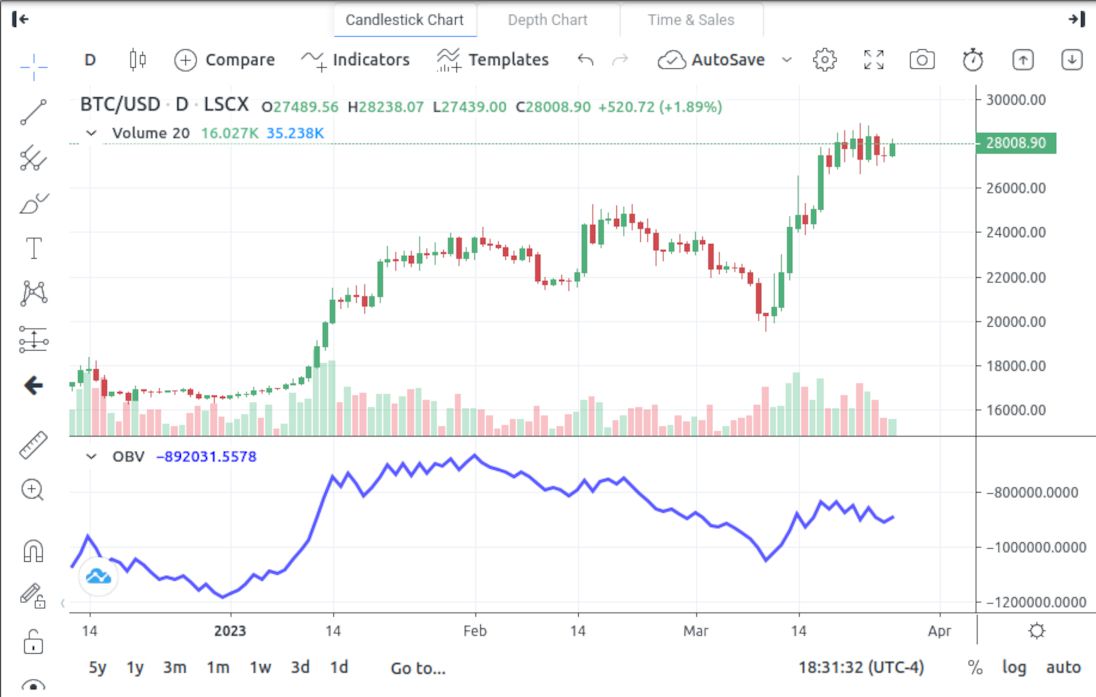
To understand the real-time sentiment during these enforcement cycles, we can look at live market data. The chart below illustrates Bitcoin's volatility during recent regulatory announcements, showing how quickly the market prices in compliance risks.
Compliance strategies for 2026
The IRS now receives a copy of these forms from crypto brokers, giving them unprecedented visibility into your trading activity and wallet addresses. To stay compliant, you must treat every transaction as reportable, regardless of the asset type or exchange used.
Maintain detailed records of transaction dates, gross proceeds, and cost basis for all exchanges. Official guidance from the Treasury and resources like the Latham & Watkins US Crypto Policy Tracker provide the most current regulatory updates. Proactive documentation is your best defense against audits in this new enforcement landscape.
Common questions about crypto tracking
Can the government track your cryptocurrency?
Yes. Every Bitcoin transaction is permanently recorded on a public ledger, so any transfer can be traced from one address to the next. While addresses are pseudonymous, they are not anonymous. If an address is linked to your identity through a KYC-compliant exchange or a direct purchase, the government can trace the flow of funds from that point forward.
How does the IRS track cryptocurrency?
Starting in 2026, the IRS will receive copies of these forms from crypto brokers, giving them unprecedented visibility into your crypto trading activity. This includes gross proceeds from every crypto sale or exchange, transaction dates, and wallet addresses. This data allows the IRS to match your reported income against their records with high precision.
Can the government track crypto without a wallet address?
No. The blockchain only records activity associated with specific wallet addresses. If you never interact with a regulated exchange or service that requires identity verification, your address remains pseudonymous. However, tracing tools used by law enforcement can often cluster addresses and infer ownership patterns based on transaction behavior and timing.
Does the FBI or IC3 track crypto crimes?
Yes. The Internet Crime Complaint Center (IC3) analyzes complaints filed via its website and may refer them to federal, state, local, or international law enforcement agencies. These agencies use blockchain analysis firms to trace stolen funds and identify the individuals behind specific addresses involved in fraud or ransomware attacks.
No comments yet. Be the first to share your thoughts!