How agencies track crypto now
The era of opaque pseudonymity in cryptocurrency is ending. Regulators and law enforcement agencies have shifted from reactive investigations to proactive, real-time surveillance of blockchain networks. This transition relies on a combination of proprietary analytics software, mandatory identity data from centralized exchanges, and open-source intelligence tools that label wallet addresses with real-world entities.
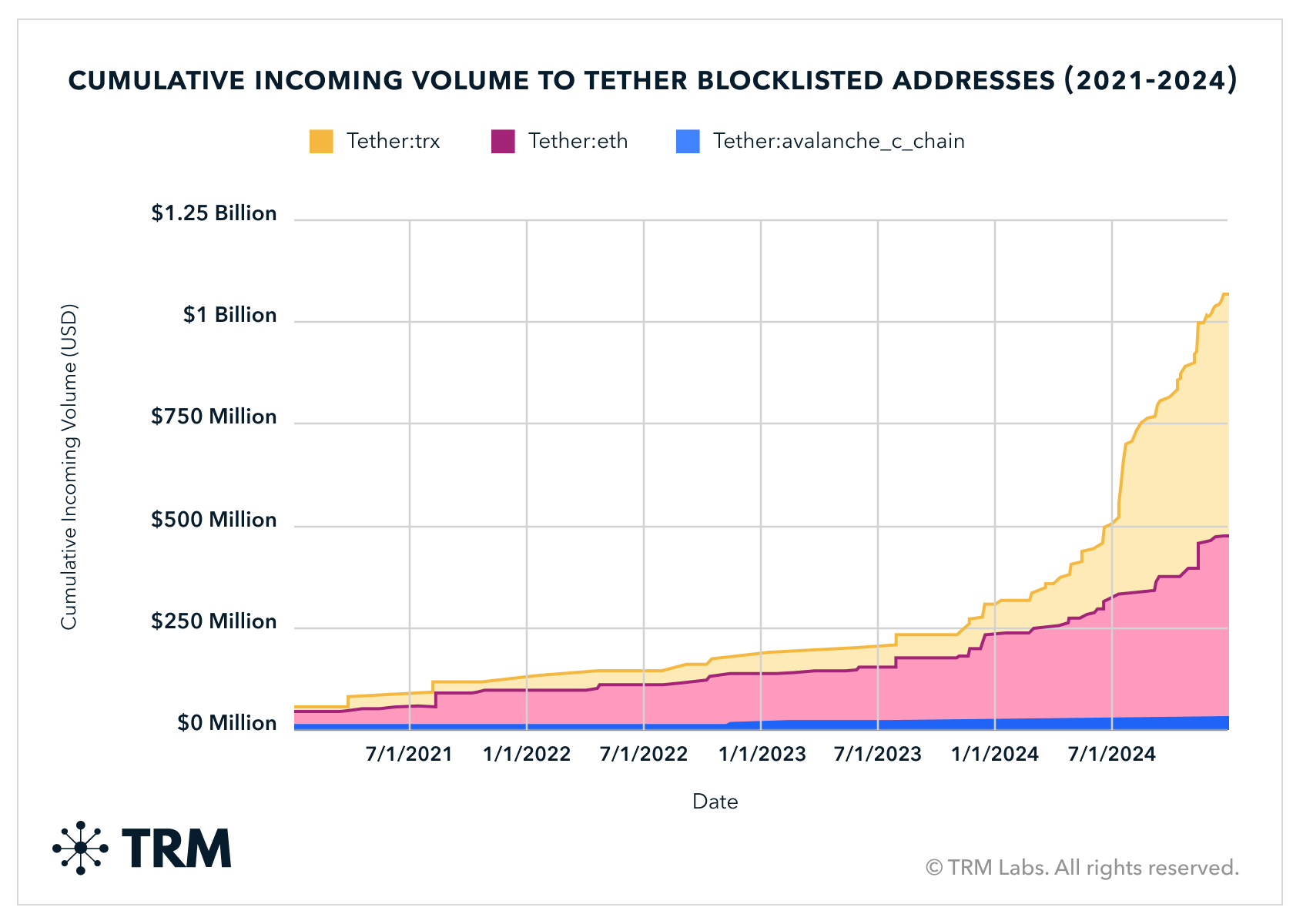
At the core of this surveillance infrastructure are blockchain analysis firms that build massive databases of known addresses. Agencies like the U.S. Department of the Treasury’s Office of Foreign Assets Control (OFAC) and the Internal Revenue Service (IRS) partner with companies such as Chainalysis, Elliptic, and TRM Labs. These firms tag millions of addresses, identifying which wallets belong to exchanges, mixers, darknet markets, or sanctioned entities. When a transaction occurs, these tools flag it instantly, allowing investigators to trace the flow of funds across multiple hops.
The transparency of the blockchain itself is the primary data source. Unlike traditional banking, where transactions are private ledger entries, every Bitcoin and Ethereum transaction is public. While the names behind addresses are initially hidden, the pattern of movement often reveals identity. Agencies use clustering algorithms to group addresses that likely belong to the same user or entity. For example, if a wallet receives funds from a known exchange and sends them to a mixing service, the pattern itself becomes evidence of intent.
Centralized platforms have become critical partners in this effort. Exchanges like Coinbase and Binance are required to comply with Know Your Customer (KYC) and Anti-Money Laundering (AML) regulations. As reported by Klasing Associates, Coinbase now provides geo-tracking data to the government, linking specific IP addresses and physical locations to wallet activity. This bridge between on-chain data and off-chain identity is what turns anonymous transactions into prosecutable evidence.
Open-source tools are also democratizing this visibility. Platforms like Arkham Intelligence allow anyone to view the holdings and transactions of known entities, including the U.S. Government itself. These tools label wallets with names like "Tether Treasury" or "Binance Cold Wallet," making it easier for investigators to spot interactions with sanctioned actors. This public labeling creates a deterrent effect, as bad actors know their addresses are permanently recorded and easily identifiable.
The combination of these tools creates a comprehensive tracking ecosystem. Agencies no longer need to rely solely on subpoenas; they can often trace funds directly on-chain before taking legal action. This shift has led to a significant increase in seizures and enforcement actions, signaling that the blockchain is no longer a safe haven for illicit finance.
On-chain intelligence platforms
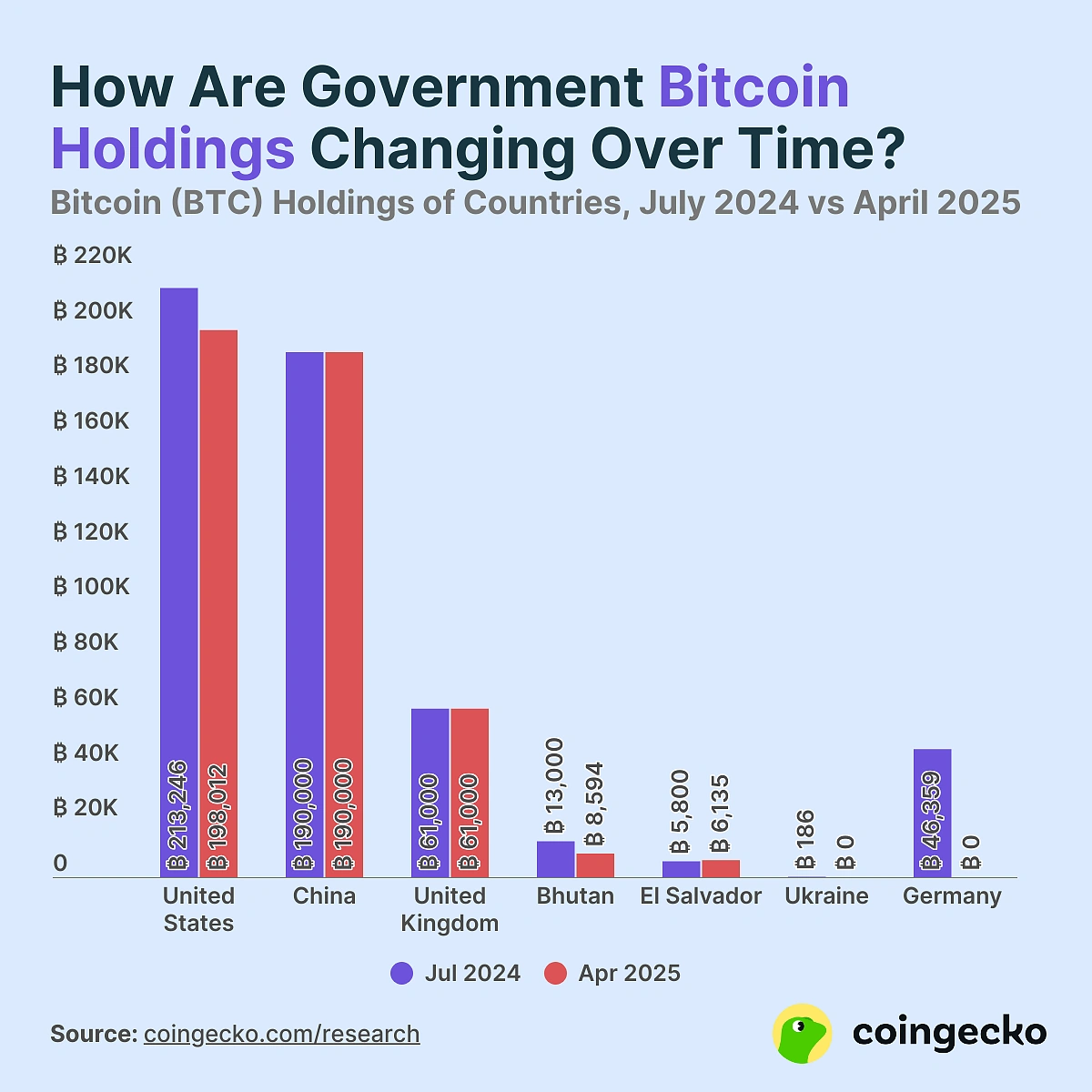
Government agencies rely on specialized software to decode the public ledger. Tools like Arkham, Chainalysis, and TRM Labs transform raw blockchain data into actionable intelligence. These platforms visualize wallet clusters and entity relationships, allowing investigators to trace funds across complex networks.
Arkham provides a real-time explorer for on-chain activity. Its interface maps transactions between known entities, such as the U.S. Government, and anonymous wallets. This transparency helps agencies monitor seized assets and track illicit flows with precision.
Chainalysis offers a comprehensive suite for compliance and enforcement. It flags high-risk addresses and generates audit trails that meet legal standards. TRM Labs focuses on speed and accuracy, identifying cryptocurrency laundering patterns through deep transaction analysis.
The following table compares these platforms based on their primary strengths for government use cases.
| Platform | Primary Strength | Key Focus |
|---|---|---|
| Arkham | Real-time visualization | Entity mapping and live tracking |
| Chainalysis | Compliance and audit | Regulatory reporting and KYC |
| TRM Labs | Speed and accuracy | Laundering detection and risk scoring |
Centralized exchanges as enforcement data points
Centralized exchanges (CEXs) function as the primary choke points for crypto enforcement. Unlike decentralized protocols, these platforms hold user identity data and transaction records, making them the most effective entry points for agencies like the IRS and ICE. When law enforcement serves a subpoena, the exchange must comply, handing over KYC (Know Your Customer) data that links a wallet address to a real-world identity.
This data sharing has expanded beyond basic account details. Platforms like Coinbase now provide geo-tracking data to government agencies. This allows investigators to pinpoint the physical location of a user at the time of a transaction, significantly narrowing the search area for suspects. For enforcement teams, this turns anonymous blockchain activity into a traceable digital footprint with a physical address attached.
The IRS has further tightened this net with the introduction of Form 1099-DA. Starting in 2026, this form will require brokers to report every digital asset transaction, regardless of value. This creates a comprehensive ledger of user activity that agencies can cross-reference against tax returns. The combination of geo-location data and mandatory transaction reporting means that centralized exchanges are no longer just trading venues; they are active participants in regulatory compliance.
2026 IRS reporting changes
The Internal Revenue Service is rolling out Form 1099-DA starting in 2026, a shift that fundamentally alters the transparency of cryptocurrency transactions. Effective for the 2025 tax year, this new form requires digital asset brokers to report the gross proceeds from sales to both taxpayers and the IRS. This mandate significantly expands the volume of data available for government tracking crypto analysis, closing previous loopholes that allowed unreported trading activity.
Previously, the IRS relied heavily on third-party tips, subpoena power, and limited data from centralized exchanges. Form 1099-DA standardizes this flow of information, creating a comprehensive ledger of digital asset movements. For agencies monitoring blockchain activity, this structured data provides a critical anchor point, allowing investigators to correlate on-chain wallet addresses with verified identities more efficiently than before.
This regulatory shift does not just increase data volume; it increases data accuracy. By requiring brokers to report cost basis and transaction dates, the IRS can automatically flag discrepancies between reported income and blockchain records. This reduces the burden on manual audits and allows for more proactive identification of tax evasion or illicit finance patterns.
The broader implication is a move toward a fully transparent digital asset economy. As more platforms fall under the "broker" definition, the ability to track crypto transactions becomes less about detective work and more about data reconciliation. Taxpayers and investigators alike will operate in an environment where the history of digital asset ownership is increasingly difficult to obscure.
Global regulatory tracking tools
Researchers monitoring government surveillance of crypto rely on specialized trackers to map the fragmented global regulatory landscape. Instead of scanning thousands of news articles, analysts use curated databases that categorize legislative developments by jurisdiction and status. These tools serve as the primary reference for understanding which markets are tightening restrictions and which are establishing clear frameworks.
Two platforms stand out for their depth and reliability. The Atlantic Council’s Cryptocurrency Regulation Tracker maps how 75 economies are regulating digital assets, offering a clear view of international compliance trends. Meanwhile, Latham & Watkins’ US Crypto Policy Tracker provides granular detail on federal and state-level legislative shifts within the United States.
Using these trackers allows researchers to spot regulatory changes before they impact market sentiment. By focusing on official sources and expert-curated data, analysts can distinguish between temporary policy noise and lasting structural shifts in how governments monitor blockchain activity.
Compliance checklist for investors
Government agencies now treat blockchain data as public record. When you buy crypto through a centralized exchange, that platform logs your identity and links it to your wallet addresses. This creates a permanent digital footprint that law enforcement can access with a subpoena.
To maintain compliance and protect your privacy, follow these steps to audit your holdings and reporting obligations.
Download your complete trade history from every exchange you have used. Centralized platforms are the primary source of identity-linked data. Reviewing these records helps you understand exactly which addresses are tied to your legal identity.
Use blockchain explorers or portfolio trackers to map your self-custody wallets. While addresses are pseudonymous, transfers between known exchange wallets and your private keys create a bridge that analysts can trace. Document every outgoing and incoming transaction to your cold storage.
Crypto is taxable property in most jurisdictions. You must report capital gains or losses for every trade, swap, or sale. Failure to report these transactions can trigger audits. Use specialized tax software to automate the calculation of your cost basis and realized gains.
Certain countries require disclosure of foreign accounts or large crypto holdings. Check if your jurisdiction has specific thresholds for reporting digital assets to financial intelligence units. Non-compliance can result in severe penalties, regardless of whether the activity was illegal.
Understanding your digital footprint is the first step toward secure compliance. By systematically auditing your exchanges and wallets, you can ensure accurate reporting while minimizing unnecessary exposure to public blockchain data.
No comments yet. Be the first to share your thoughts!