Regulatory shifts in 2026
The regulatory landscape for digital assets has hardened significantly in 2026. What was once a gray area of enforcement is now a defined framework, driven by two major actions from federal agencies. The Securities and Exchange Commission (SEC) issued a formal interpretation clarifying how federal securities laws apply to crypto assets, removing ambiguity for issuers and exchanges alike. This interpretation sets a clear baseline: if a token functions as a security, it must comply with registration and disclosure requirements, regardless of the technology behind it [src-serp-1].
Simultaneously, the Treasury Department released its Congressional Report on the GENIUS Act, focusing on illicit finance innovation. This report outlines specific steps the government will take to support financial institutions in using advanced tracking tools to combat money laundering and terrorist financing. The message is unambiguous: compliance is no longer optional. Institutions must adopt robust monitoring infrastructure to satisfy both securities regulations and anti-money laundering (AML) mandates.
This dual pressure has made tracking infrastructure mandatory. Exchanges and custodians can no longer rely on self-regulation or vague guidelines. They must implement real-time transaction monitoring, wallet screening, and reporting mechanisms that align with SEC interpretations and Treasury’s GENIUS Act recommendations. The cost of non-compliance has risen sharply, with potential penalties and loss of charter as the primary risks.
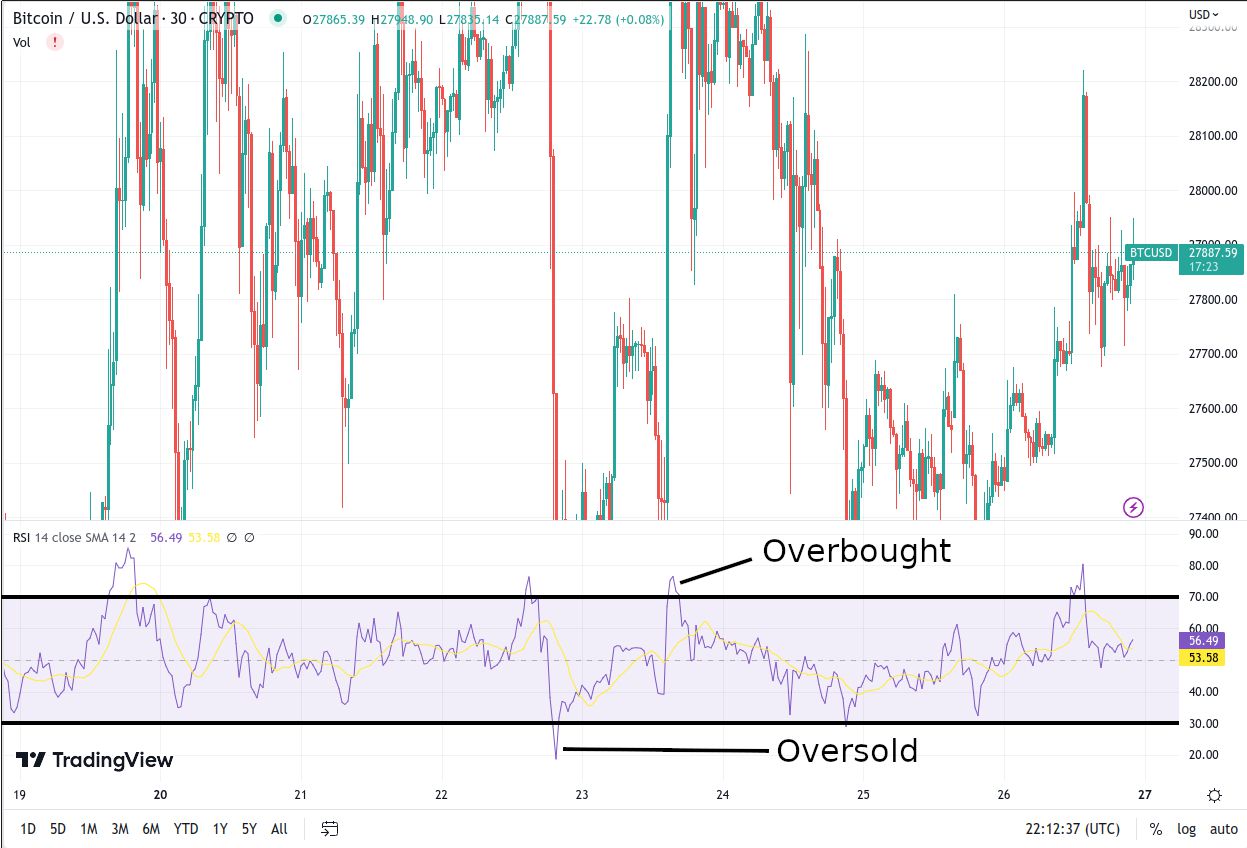
The market has already reacted to these regulatory signals. Bitcoin’s price action reflects the growing institutional adoption of compliant infrastructure, as firms position themselves to operate within the new legal boundaries. The following chart illustrates recent market volatility, which often correlates with regulatory announcements and enforcement actions.
IRS tracking mechanisms explained
The idea that cryptocurrency offers true anonymity is largely a myth. By 2026, the IRS has integrated sophisticated blockchain analytics into its standard audit procedures, turning the public ledger into a searchable record of financial activity. While Bitcoin and Ethereum transactions are pseudonymous, they are permanently recorded on public blockchains. Specialized firms like Chainalysis and Elliptic provide the IRS with tools that link wallet addresses to real-world identities, often through exchange data or pattern recognition.
Exchange reporting has become the primary enforcement lever. Under current regulations, major centralized exchanges are required to report user transactions to the IRS. When you sell, trade, or receive crypto through a regulated platform, that data is flagged. The IRS matches this information against tax returns, making it difficult to overlook unreported gains or income. This transparency extends to decentralized finance (DeFi) as well, as investigators increasingly trace funds through smart contracts and decentralized exchanges.
For unreported activity in offshore or private wallets, the IRS utilizes John Doe summonses. These legal orders allow the agency to demand transaction data from specific platforms or services without naming the individual taxpayer initially. This broad investigative tool helps the IRS identify high-net-worth individuals who may be hiding assets. Once a pattern emerges, the summons can be narrowed to target specific accounts, providing the evidence needed for civil or criminal prosecution.
How Global Frameworks Compare
The United States and the United Kingdom have taken different structural approaches to tracking cryptocurrency, though both aim for the same endpoint: full transparency. While the US relies on the IRS to enforce existing tax codes through voluntary reporting and enforcement actions, the UK has built a dedicated reporting regime called the Cryptoasset Reporting Framework (CARF). This distinction matters because it changes how exchanges and service providers interact with regulators on a day-to-day basis.
The Atlantic Council’s Cryptocurrency Regulation Tracker provides a useful lens for viewing this divergence. It categorizes how 75 economies handle crypto regulation, highlighting that the US approach is often fragmented across state and federal lines, whereas the UK’s CARF creates a standardized data collection point. This standardization reduces ambiguity for multinational firms operating in both jurisdictions.
The table below outlines the primary differences in how these two major markets track and report crypto activity.
| Framework | Scope | Reporting Mechanism | Enforcement |
|---|---|---|---|
| US (IRS) | Tax compliance | Form 1099-DA (proposed) | Audit & penalties |
| UK (CARF) | Tax transparency | Annual return to HMRC | Compliance checks |
| EU (MiCA) | Market stability | Transaction reporting | License revocation |
The US is currently finalizing Form 1099-DA, which would require digital asset service providers to report transaction details to the IRS, mirroring the traditional broker reporting model. Until this rule is fully implemented, the IRS relies heavily on third-party data and whistleblower tips. In contrast, the UK’s CARF, which aligns with the OECD’s global standard, requires firms to actively collect and report user data annually, creating a more proactive surveillance infrastructure.
For investors, this means the global compliance landscape is converging on a single truth: your transaction history is no longer private. Whether you are in the US or the UK, the infrastructure for tracking crypto is becoming increasingly robust and interconnected.
Essential Compliance Tools
The new infrastructure for government tracking of crypto assets is already active, but the tools to manage your exposure are still maturing. As the SEC clarifies the application of federal securities laws to crypto assets, the line between personal privacy and public compliance has shifted. You need software that helps you track your holdings, generate tax reports, and flag potentially illicit addresses before regulators do.
The goal is not to hide from the government, but to ensure your records are accurate and your assets are secure. The following tools are selected for their ability to interface with major exchanges and blockchain networks, providing the visibility required for 2026 compliance.
Portfolio Tracking and Tax Reporting
Accurate record-keeping is the first line of defense. The IRS and other global tax authorities now have broad visibility into exchange reporting and blockchain transactions. A dedicated portfolio tracker that syncs with your wallets and exchanges can automate the aggregation of your data, reducing the risk of human error during tax season.
Look for tools that support a wide range of DeFi protocols and cross-chain transactions. These platforms should offer clear export functions for tax forms, ensuring you can easily file with the IRS or other relevant bodies. The right software acts as a bridge between your complex on-chain activity and the standardized reports regulators expect.
Blockchain Analytics and Screening
For those managing larger portfolios or engaging in DeFi, screening your transactions for exposure to sanctioned addresses is critical. Blockchain analytics tools can scan your transaction history against known illicit databases, flagging any interactions with addresses linked to money laundering or terrorist financing.
This proactive approach helps you avoid accidental compliance violations. By identifying risky counterparty addresses early, you can make informed decisions about which assets to hold or trade. These tools are essential for understanding the provenance of your crypto holdings in an era where transparency is mandatory.
Hardware Wallets and Cold Storage
While software tools help you track and report, hardware wallets provide the physical security layer needed to protect your assets from digital theft. In a landscape where government tracking is increasing, the physical security of your private keys remains paramount. A hardware wallet keeps your keys offline, making them immune to remote hacking attempts.
Choose a device from a reputable manufacturer with a strong track record of security audits. Ensure it supports the specific cryptocurrencies you hold and offers a user-friendly interface for signing transactions. Cold storage is the only way to guarantee that your assets remain under your sole control, independent of any exchange or software provider.



As an Amazon Associate, we may earn from qualifying purchases.
No comments yet. Be the first to share your thoughts!